Introduction
“How do you creatively and truthfully portray a significant person, group, place, idea, or issue in the community?”
During the Junior Documentary Project, we were to find a person, group, place, idea, or issue and sources to portray a perspective about our subject’s significance in the community. In English we wrote a research-based paper that we used to later make a article in Digital Media and a book in Design.
For my Documentary Project, I chose to research the question of what is necessary for someone to find a purpose at work. To answer this I explored the stories of three different individuals and their answers to why they continue to do the work they do. I hope that through this paper I was able to help other people better understand the importance of intention behind work.
My inspiration and reason why I chose to make this piece was because of my personal struggles with figuring out what the right balance between passion and work should be. With this project I explored the idea of how we should be able to mix the two and how passion can be found through the work that we do.
Interviewee Bios
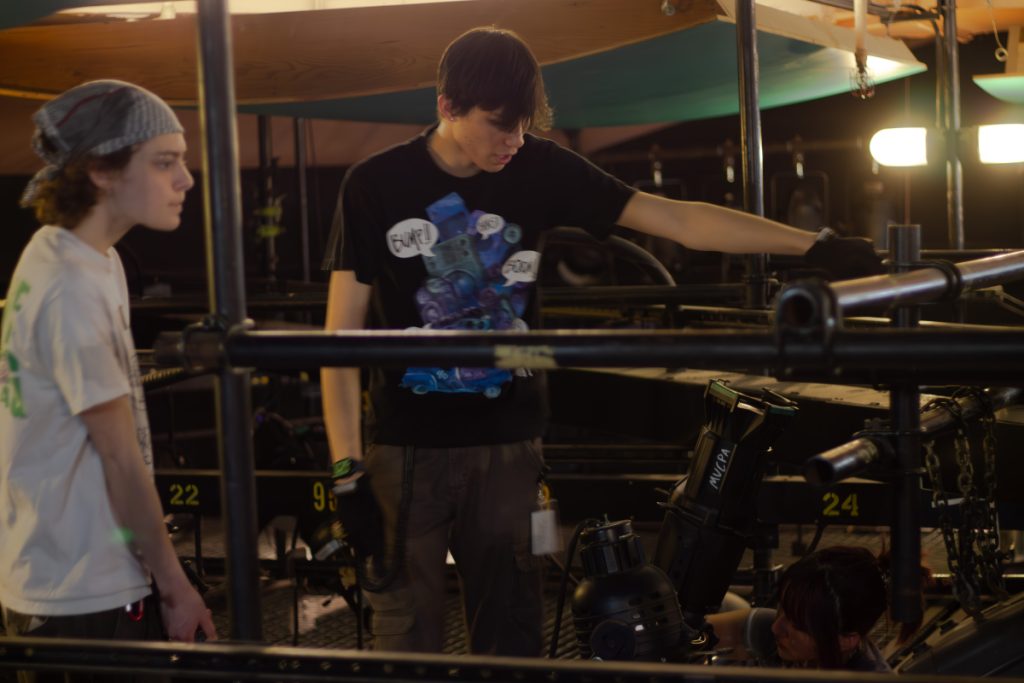
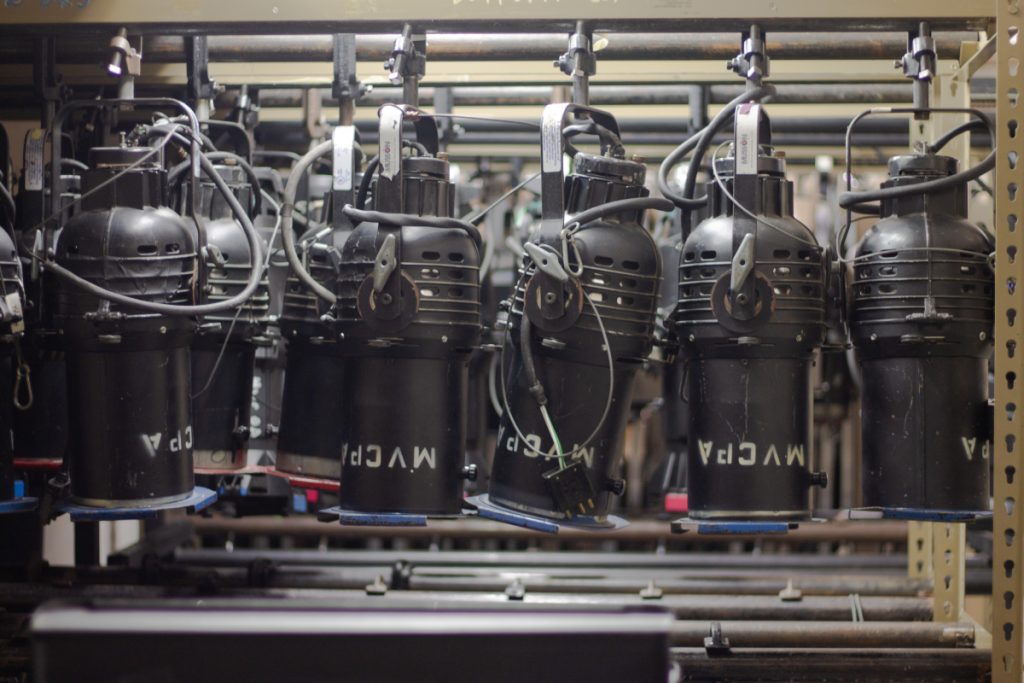
This is Nathan Coleman, a high school lighting designer and a jack-of-all-trades for anything theater related. Nathan is a senior at Los Altos High School who’s made theater his life as he continues his plans for theater beyond high school and into college. Throughout his high school career he’s done more than twenty shows and that number is only going up. Coworkers of his have described him as a “lighting wizard” and that becomes really apparent when you see him working. He found theater from a young age, being involved with plays and musicals at his elementary and middle school before deciding that he wanted to do more. He took the initiative to learn lighting and expand what he learned from his class in middle school. The passion that Nathan has for his work didn’t come from nowhere, of course there is that spark that he felt to bring him into lighting, but it was him who brought it forward into something bigger.
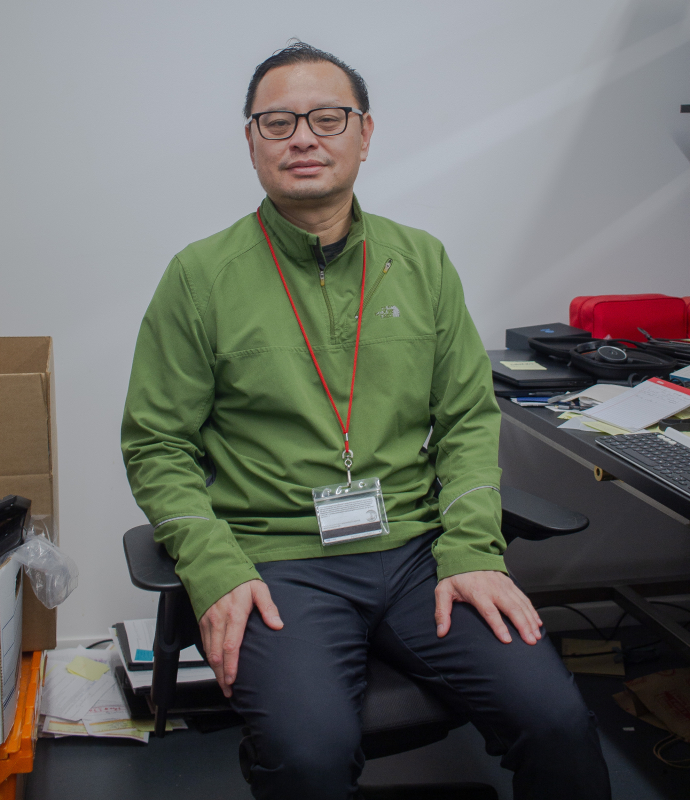
This is David Jeng, a Taiwanese immigrant turned Mountain-View local and IT Manager for a finance group at Stanford. David is originally from Taiwan, before getting adopted by his Aunt and Uncle in the United States, coming over for a better education. Following his degree in International Relations, he continued onto learning more about the career of IT through classes at community colleges all while working a job.
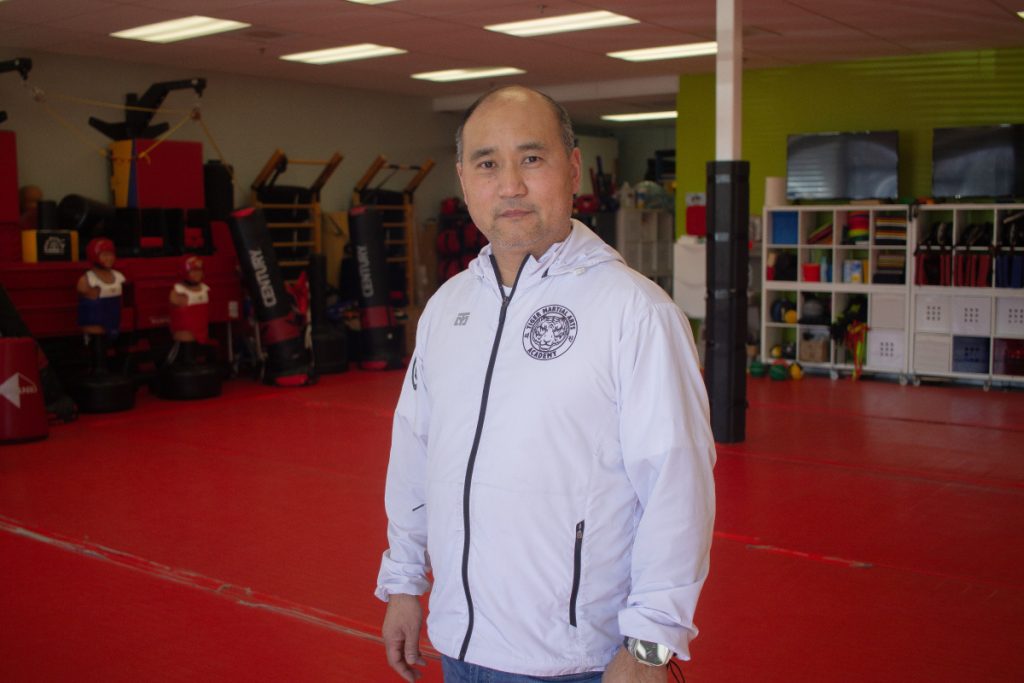
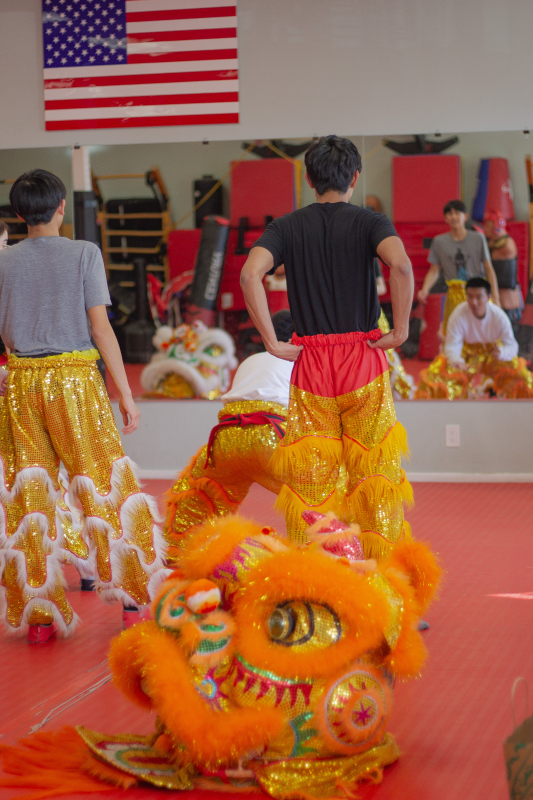
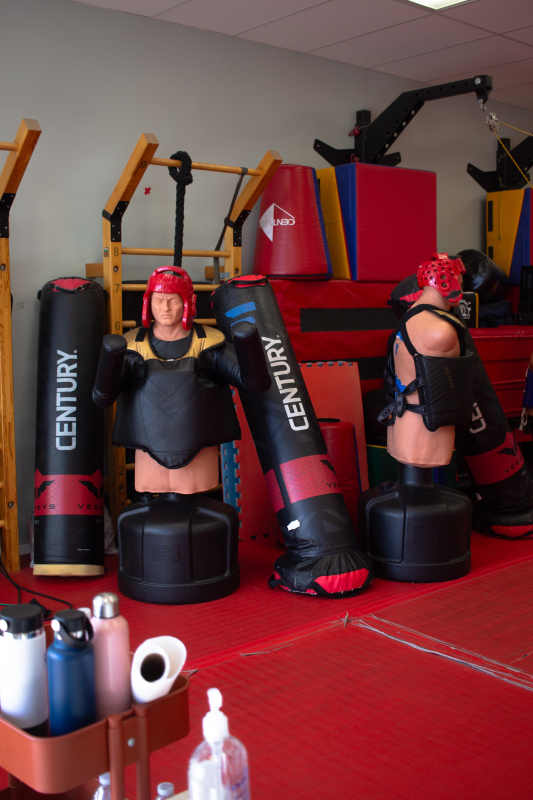
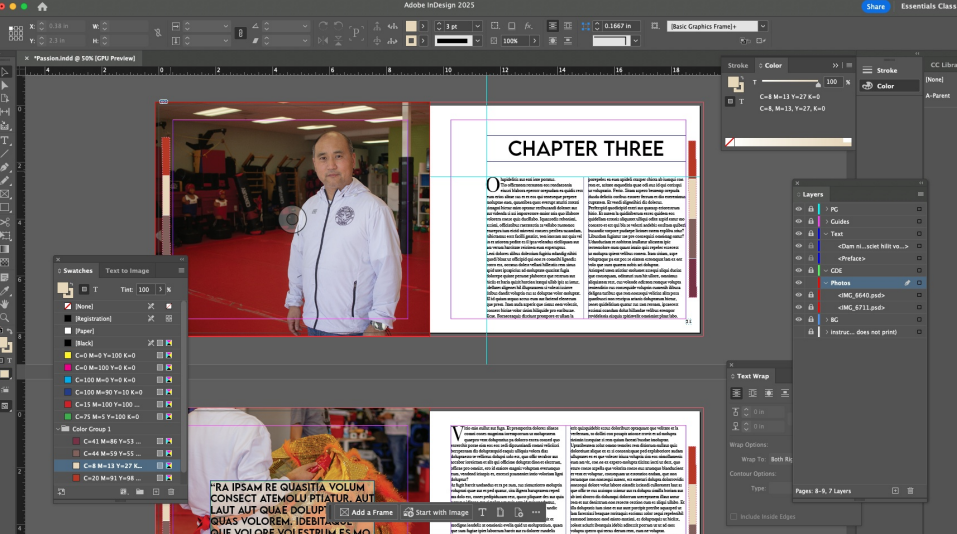
This is Chris Hung, owner of Tiger Martial Arts in Sunnyvale. Chris, also originally from Taiwan, teaches taekwondo to people of all ages, teaching discipline to anyone willing to learn.
English
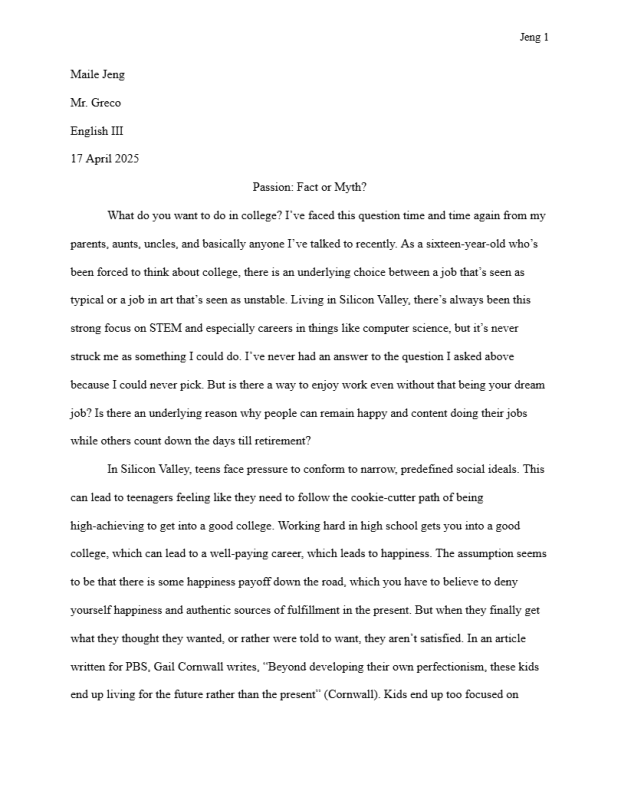
This project all began in English where we were tasked with discovering what topic we wantred to explore for the next five months. After the research process and development of our ideas we continued onto the next, and in my opinion, the hardest part, drafting. My documentary is divided into three different parts, one for each of my interviewees, sharing their personal stories relating the work they do to passion.
Digital Media
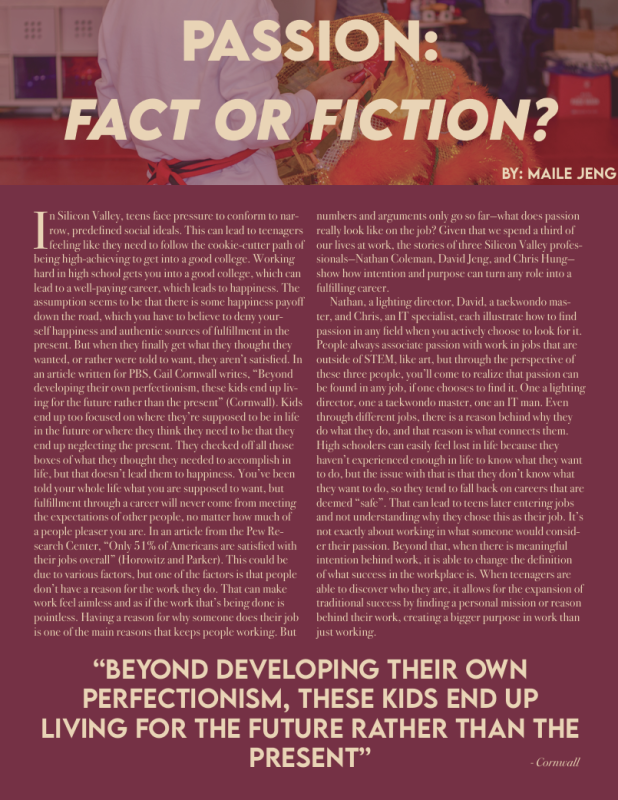
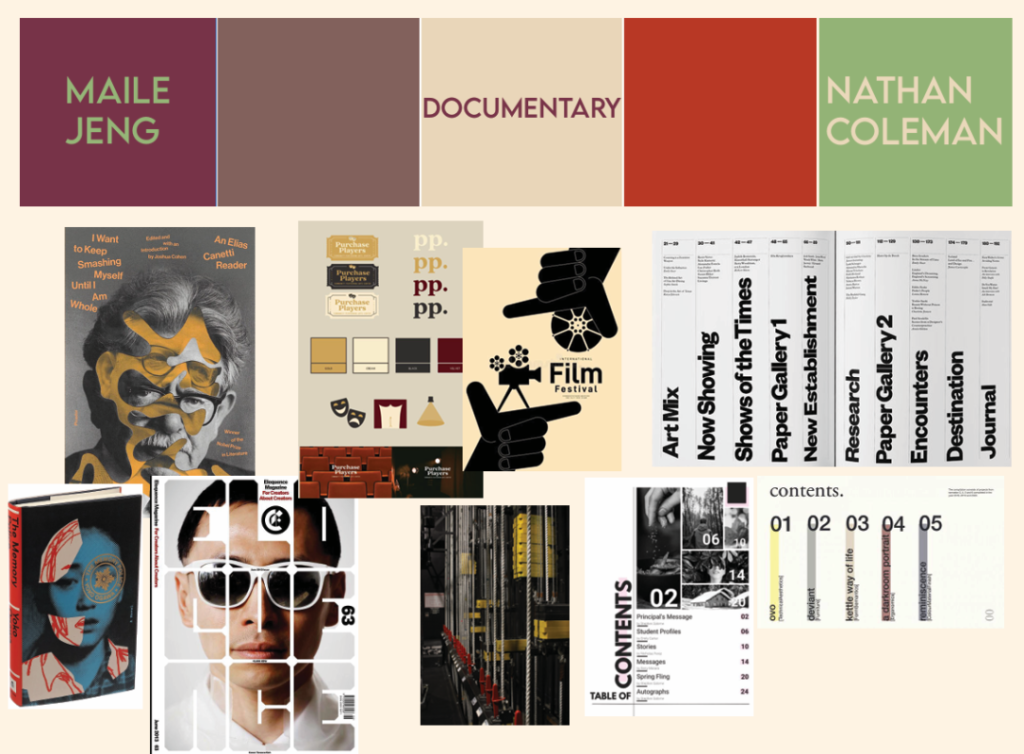
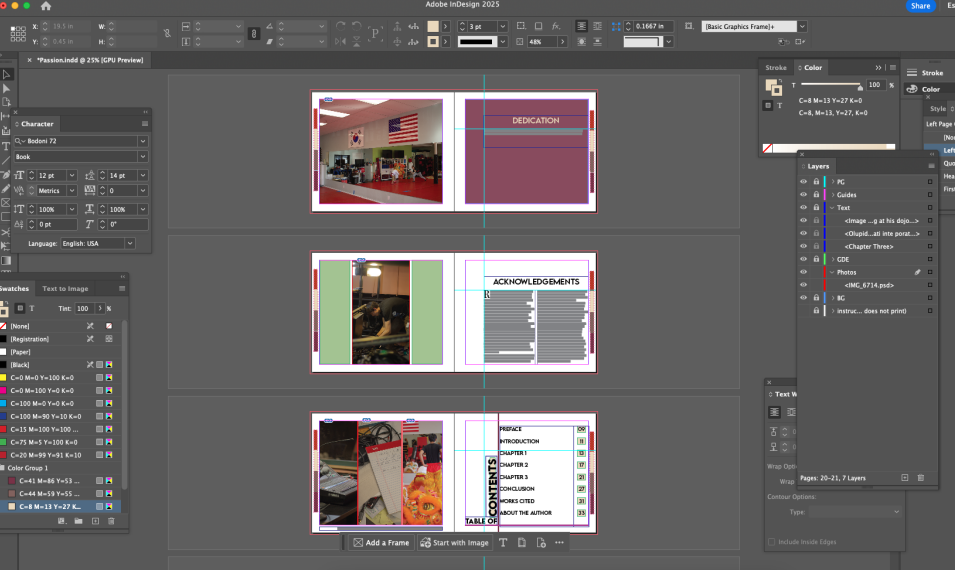
In Digital Media we took what we wrote and turned it into a magazine article using InDesign. For this assignment, I had to take what I wrote in English and cut it down so it fit into the five pages that we had as well as taking graphic design elements I made in Design. For me, the was a smaller version of our Design project, which was to make an entire book covering our documentary.
Design
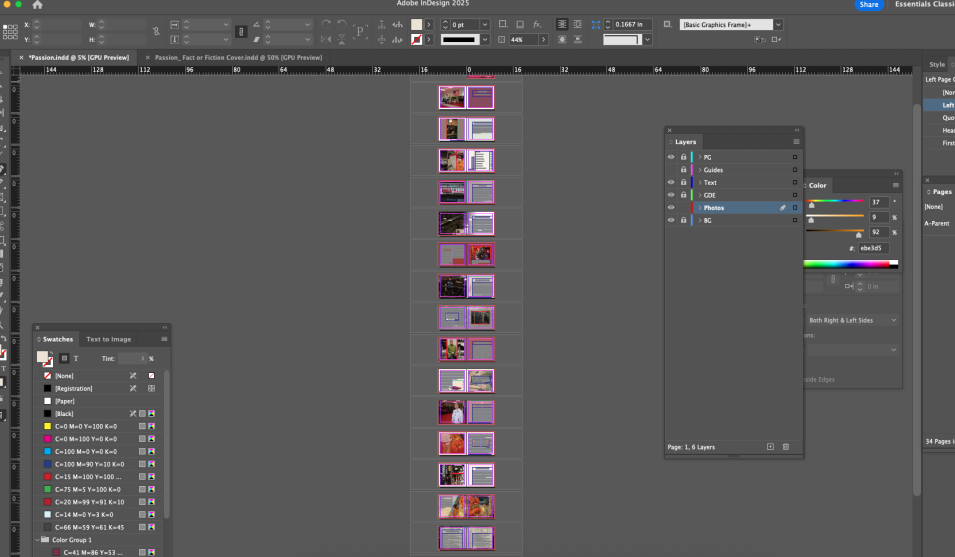
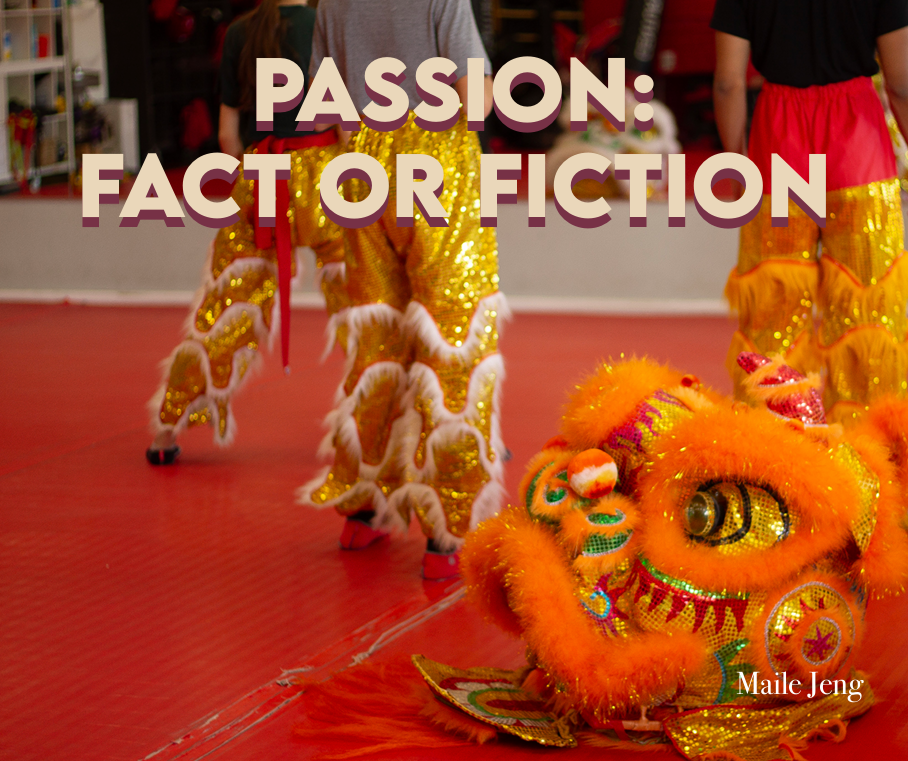
For Design, we took what we wrote in English and turned it into a book. This meant that I had to follow my subjects while they were at work and take photos of them to use for the book. For trhis part of the documentary unit, I really learned how to lay things out, using InDesign, and what’s the best way to convey the story interestingly.
Reflection
Where do I even begin with this project? It’s been almost five long months since we’ve started this project and on the date I’m writing this, April 25th, I have finally made my last edits to this documentary. In all honesty, this project was more of a hate relationship than a love-hate relationship. There were genuinely times when I thought to myself that I had done enough work and just to accept the grade I was going to get based off what I wrote. How much can one really edit a paper they’ve been working on for months now? But that wouldn’t be far to the three people whose stories I was sharing and the other students that I wanted to hear this message.
Let’s begin at the start; my project originated as a simple idea of doing a profile on a teenage lighting technician, Nathan Coleman. As I set up my questions for my first interview with him I was posed with the question on what’s the deeper research question beneath this whole documentary. That brought me to the first version of this documentary project, which explored the idea of how passion and work could be mixed. The issue with this idea was that it was too vague, using words like passion when I didn’t know how to define it. I had this idea of what I wanted to do, but I struggled to put into words what it was that I wanted to do.
After feeling a little lost about where I wanted this profile to go I talked to my English classmates and their advice is what pushed me into deciding to change my topic slightly and focus more on this idea of work and passion. I followed this idea for a while, but I was still running into issues over my topic being vague. It took a lot of revisions to my angle statement for me to nail down my topic. But through those revisions I got closer and closer to verbalizing what I originally wanted to say. It was the idea that when teenagers are allowed to discover who they are, they are allowed to define what success means for themselves and find true meaning through their work.
One of my issues was that although I had a full draft written, a lot of what I had written didn’t work with this new idea that I had, but because I was so attached to these eleven pages of writing I had a hard time letting go of what I had written. I had to change my sources, change the quotes I used, rewrite my introduction, essentially change almost everything about what I had already done. It was only when I did that was I able to get to this final draft.
The reason why I continued and what kept me going throughout this whole process what my own desire to define the pressures I’ve felt as a student in Silicon Valley and the journey I’ve been through with coming to terms with the idea of what I want to do in life. Even if I still don’t know what it is I wanted to do, I wanted others to not feel alone, but to continue to discover who they are, even if it isn’t something that they’ll pursue as a career. If there’s anything I want people to take away from this documentary it’s that everyone will follow a different path, but as long as you try, you will end up where you are meant to be in life–even if it’s not where you thought you were going to be.
Thank You
I would like to thank my teachers at Freestyle for their support through the process of making this documentary. Mr. Greco, for helping me through the process of writing my paper and guiding my project in the right direction. Our discussions together really opened my eyes to new topics and made me realize the importance of talking through my ideas. You pushed me to work more on this project even when I wanted to stop and that really expanded my topic beyond its beginnings. Ms. Parkinson, for guiding me through making the documentary book and learning InDesign. Learning to create a book from scratch was challenging, but seeing the pieces come together has been the most rewarding part. I would also like to thank my three interviewees for sharing their stories with me. Nathan, for being the first to volunteer to help me out with the project. Although the original topic of this documentary changed, the story that you shared with me was still important and helped shape this project. Finally, I would like to thank my Freestyle classmates, specifically, my English tablemates, for our discussions about our concerns about this project. You helped me vocalize my issues and encouraged me when I needed it. Landon, for telling me to take a risk and change my topic even though we were halfway through our project. Josh, for being my proofreading partner and answering all of my nonsensical questions. This documentary wouldn’t have been possible without the help of all of these people.