english and digital media
introduction
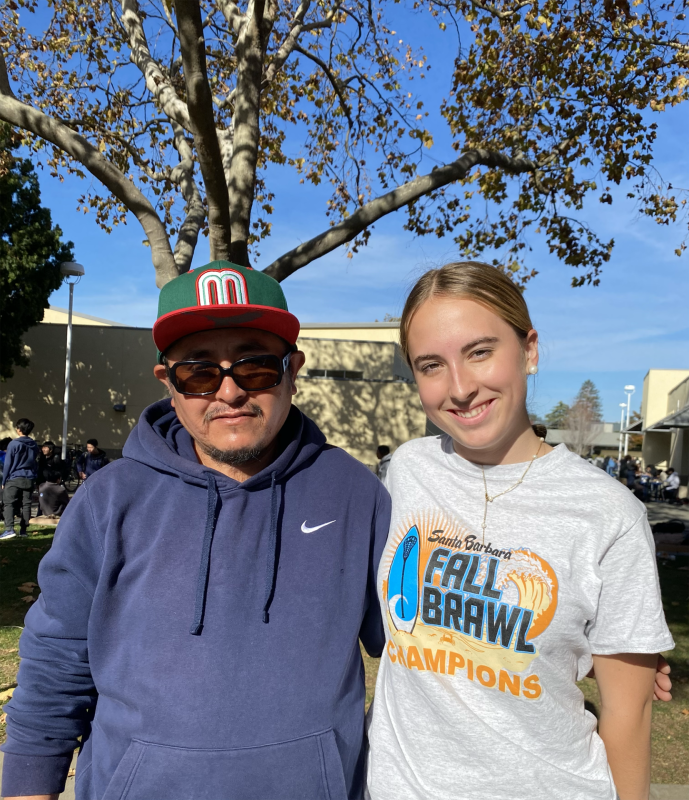
This documentary project stands out from my previous work because it’s not about my own experiences, but about connecting with my community through the story of the local LAHS ice cream salesman, Gregorio. This has been my longest and most meaningful project so far, as it allowed me to write a research paper, create a book, and design a magazine article—all centered on Gregorio’s life and the broader issues faced by immigrant workers in our area.
brainstorm
“how do you creatively and truthfully portray a significant person, group, place, idea, or issue in the community?”
The goal was to raise awareness about a person or topic through interviews and research, then craft a piece that explains why this subject is important today. I knew this project would push me out of my comfort zone. I’m not usually the type to reach out to people I don’t know well, but I wanted to take on the challenge. At first, I considered several topics—mental health, environmental issues, and local organizations I was familiar with. But as I thought about people who have a real impact in our community, I realized Gregorio’s story needed to be told. He’s a familiar face to many, but few know the struggles he’s faced or the resilience he’s shown.
My brainstorming process led me to Gregorio because of his unique role in our community and the way his story reflects broader issues faced by many immigrant workers. I wanted to learn more about his journey, his daily life, and the challenges he’s overcome. After deciding on Gregorio as my subject, I introduced myself to him, explained my project, and asked if he’d be willing to share his story. He agreed, and I began preparing for our interviews.
process
We started by analyzing published documentaries, focusing on how they highlight their subjects and why those stories matter. This helped me think about how to approach Gregorio’s story: what questions to ask, what details to notice, and how to use language to bring his experience to life. I took observational notes and photos to help guide my research and interviews.
Next, I gathered secondary sources about immigrant workers, economic challenges in Silicon Valley, and the impact of rising costs on people like Gregorio. This research helped me develop thoughtful interview questions and understand the larger context of Gregorio’s life. I created charts and notes about different aspects of his story, such as how his experiences connect to broader social and economic trends.
After finalizing my questions, I practiced interviewing by talking to family members about their own experiences. This helped me build empathy and learn how to support my interviewee if the conversation became emotional. I also learned how to record and transcribe interviews, which would be essential for accurately capturing Gregorio’s story.


When I interviewed Gregorio, I learned about his journey from his home country to our community, the sacrifices he’s made for his family, and the challenges he faces every day. I transcribed our conversations, highlighting personal anecdotes and areas that needed further exploration. I looked for information that could help me understand Gregorio’s experiences in a broader context.
My research statement evolved throughout the project: “My documentary subject is Gregorio and his journey as an immigrant worker in our community. I am studying his life and the challenges he faces so I can better understand the realities of hardworking individuals who are often overlooked. By sharing Gregorio’s story, I hope to raise awareness about the struggles and resilience of immigrant workers and why their contributions matter today.”

With all my research and interviews complete, I started writing my documentary paper. I began with an introduction about why Gregorio’s story matters, using sensory details and narrative techniques to draw readers in. The body of my paper was organized into sections covering his background, daily life, and the broader issues his story represents.
documentary article
In Digital Media class, I turned my research paper into a magazine article, adding graphic design elements and photos I took of Gregorio and his environment. I learned to use tools like Adobe InDesign and Illustrator to create layouts and visual themes that fit the story. I experimented with color schemes, fonts, and design elements that reflected Gregorio’s world.


documentary book

In Design class, I created a book about Gregorio, learning about the core principles of design: contrast, repetition, alignment, and proximity. These concepts became the foundation for my project, helping me understand what makes a professional publication visually appealing and effective. To build my skills, I started by sketching simple layouts and experimenting with different design ideas on paper. I also created a mood board by searching online for color palettes, fonts, and book cover styles that would inspire the look and feel of my project.
Once I felt confident with my ideas, I moved on to Adobe InDesign, where I learned how to set up margins, organize text layers, and use paragraph styles to keep everything consistent. I explored different plugins and tools within the program to help streamline my workflow and make the book more polished.

One of the biggest challenges was taking photos for the book. I wanted to capture authentic moments from Gregorio’s daily life while making sure to respect everyone’s privacy, so I was careful not to include identifiable faces without permission. Another challenge was fitting all my content into the layout—sometimes the text would overflow, so I had to adjust the number of pages or rearrange images and sections to make everything fit smoothly.
Despite these obstacles, I persevered and finished the book with pride. This project not only taught me valuable design skills but also showed me the importance of thoughtful storytelling and creative problem-solving.


reflection
This project inspired me to look at my community with fresh eyes and find creative ways to share important stories. I learned how combining research, interviews, and design can bring a narrative to life and make it more meaningful for others. Interviewing Gregorio taught me the importance of listening closely and being respectful when someone shares their experiences. Using design tools helped me see how visuals and layout can make a story even more powerful.


thank you!
I’m grateful to my teachers for their guidance and encouragement throughout this process, and to my classmates for their helpful feedback and support. Most of all, I appreciate Gregorio’s willingness to trust me with his story. His openness made this project possible and reminded me how valuable it is to share real voices from our community.