
Introduction
For the Documentary projects, we were all challenged to go outside of our comfort zones and investigate issues or stories we were curious about while encouraging us to reach out to people in our community we weren’t familiar with beforehand. In English we brainstormed what subjects we were interested in investigating, and created questions which we would later ask our interviewee’s. In Digital Media we focused on creating a magazine design for our English text, which could hopefully be published in the Freestyle magazine.
English & Digital Media
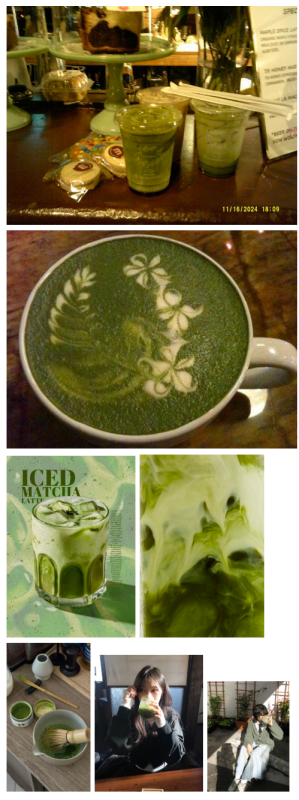
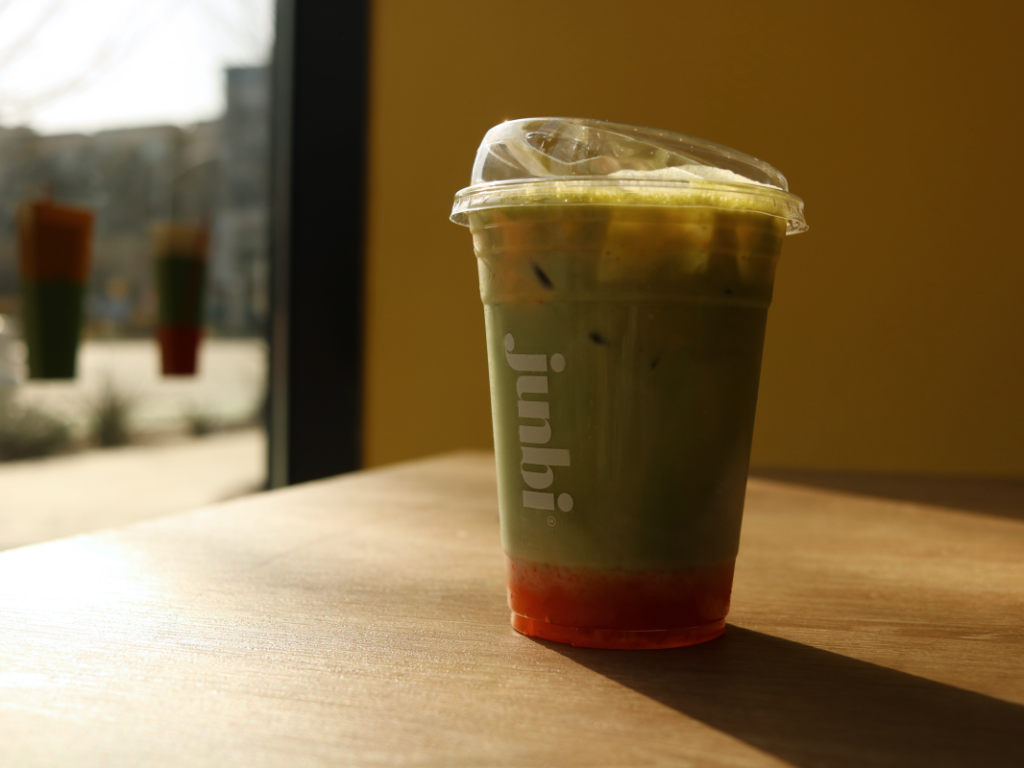
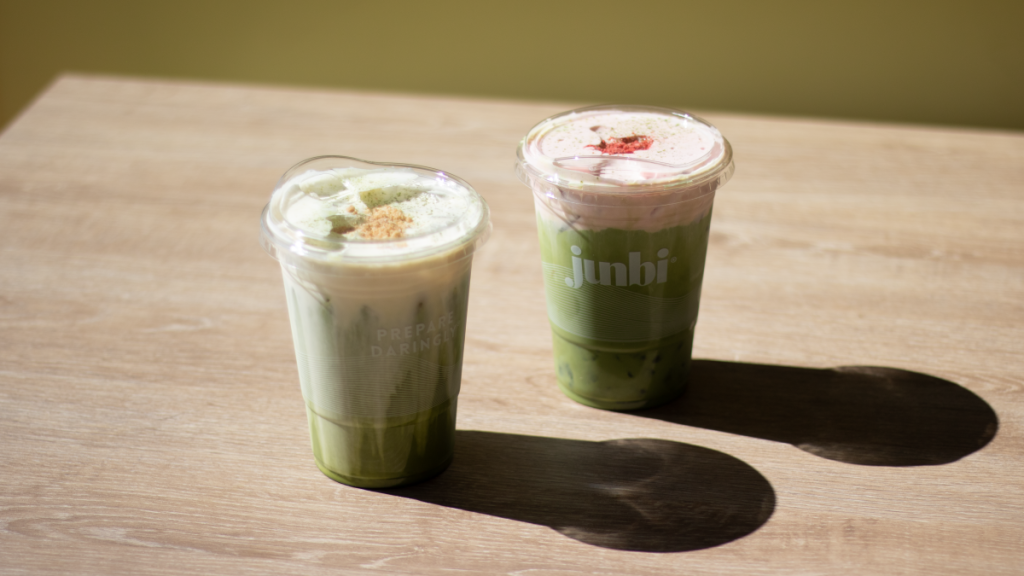
In English, I first went through the process of finding a topic which interested me. Some ideas I had prior were: What is being an independent music artist like?, a biography on my aunt, and what is the purpose of the independent order of the Odd Fellows? Ultimately I didn’t end up choosing any of these ideas, and instead settled on researching the culture of matcha and how it’s evolved within America and social media. I interviewed Jessica Gee and Denise Dulay, who own and work at Junbi Matcha in Mountain View respectively to gather their opinions on my subject which ultimately helped me further develop the problem I was trying to address.
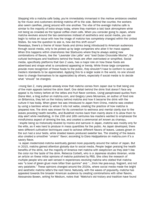
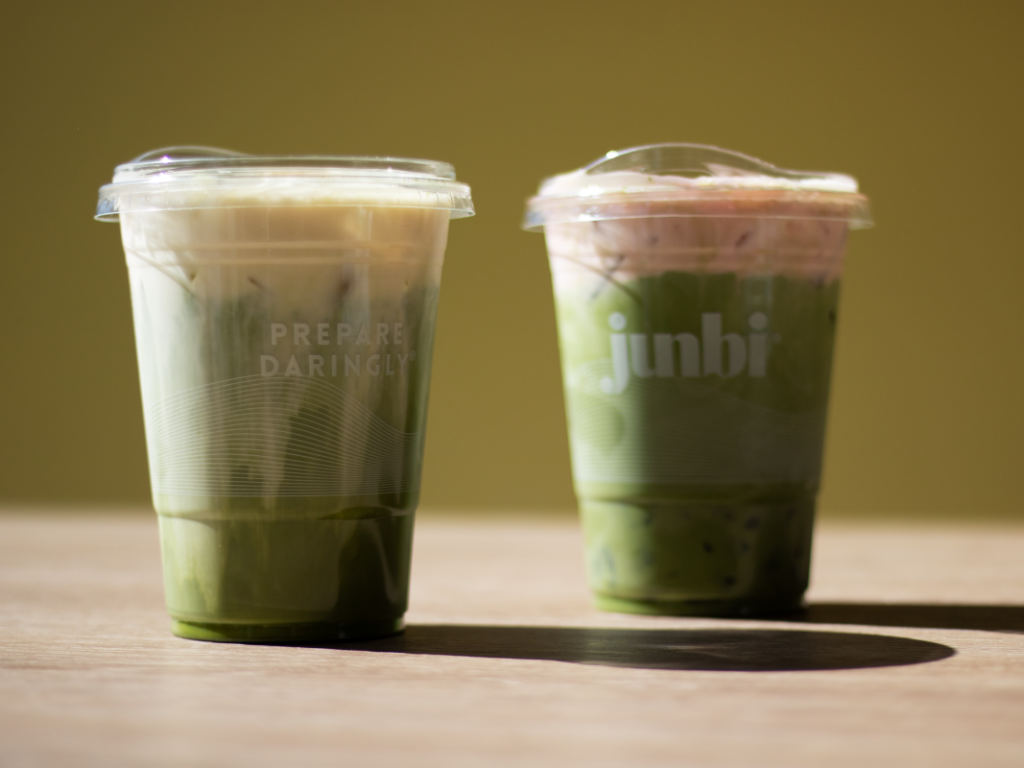
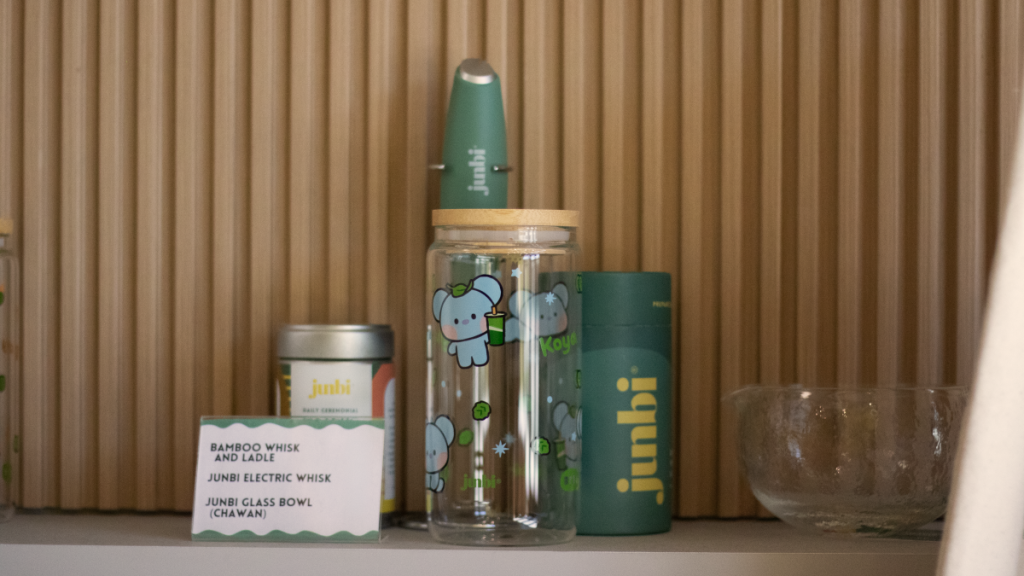
In Digital Media we focused on creating a magazine design for our English text, which could hopefully be published in the Freestyle magazine. My process in Digital Media was relatively easy because I imported most of my work from Design. I used the photos that I took at Junbi Matcha, which I edited in Adobe Photoshop, and also imported some graphic design elements that I created in Adobe Illustrator.
Design
We began the documentary process in Design way before we started designing in Digital Media. Luckily I knew how to use Adobe Indesign and we’d learned Adobe Illustrator prior to this unit so the process of designing my book was relatively easier.
Interviewee Bios
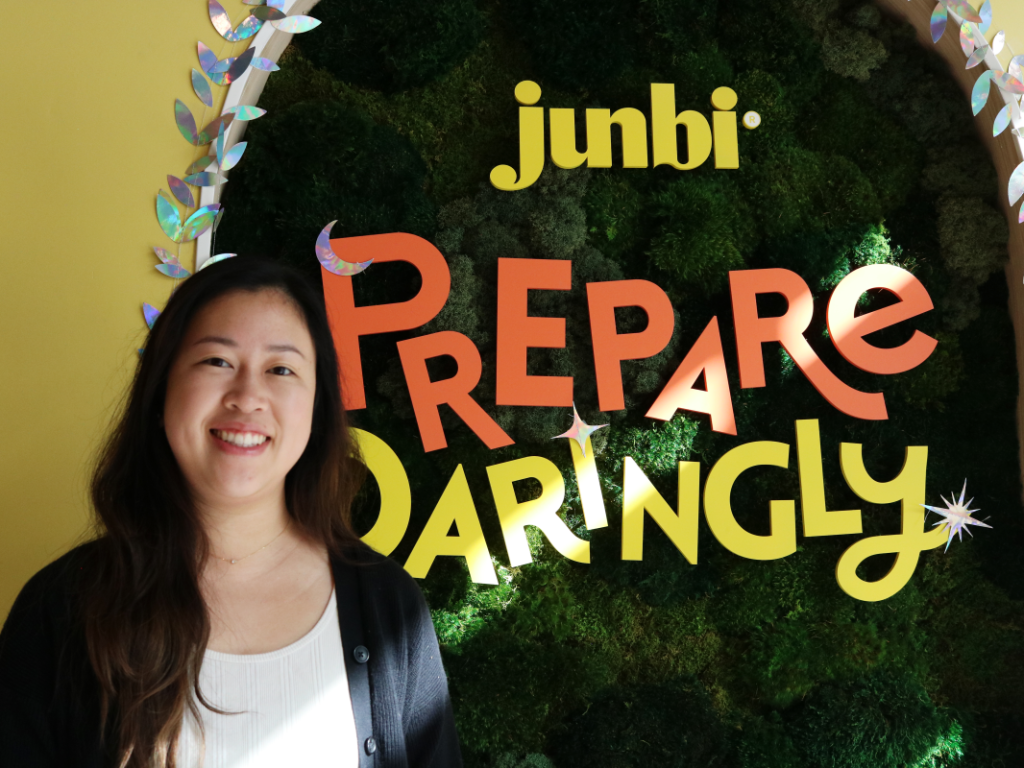
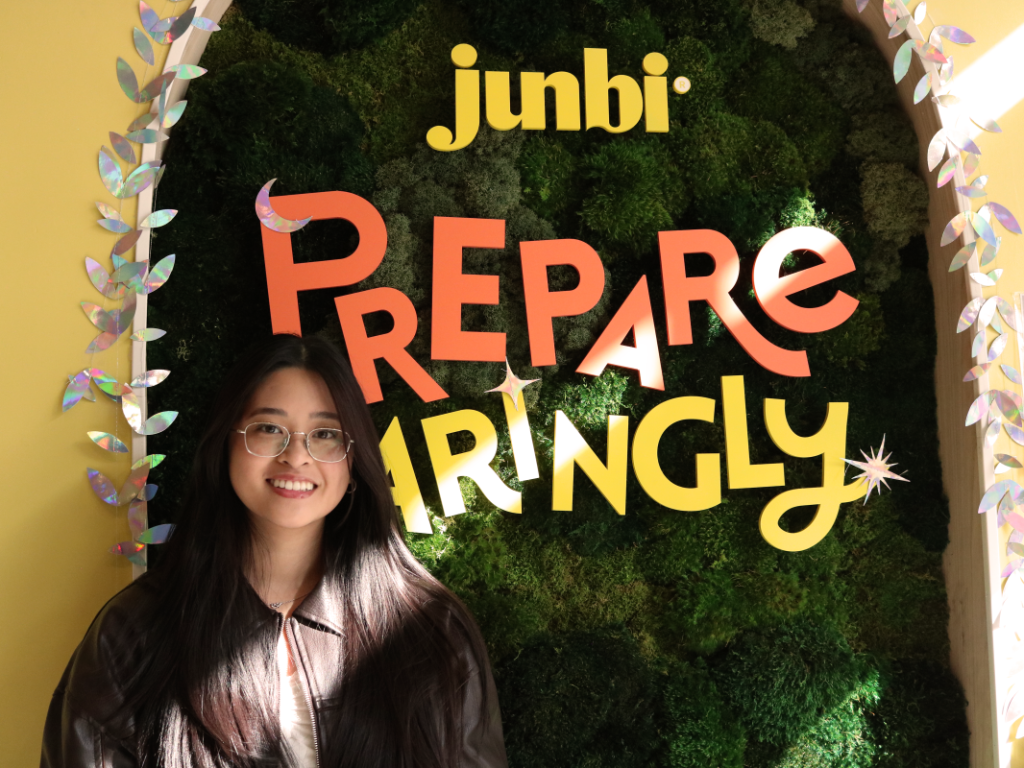
Jessica Gee is the owner of Junbi Matcha location in Mountain View and was my first interviewee for my documentary. She was the one who helped me understand the different types of matcha and how there are different quality grades which can be used for different things, like for baking or for making the tea itself.
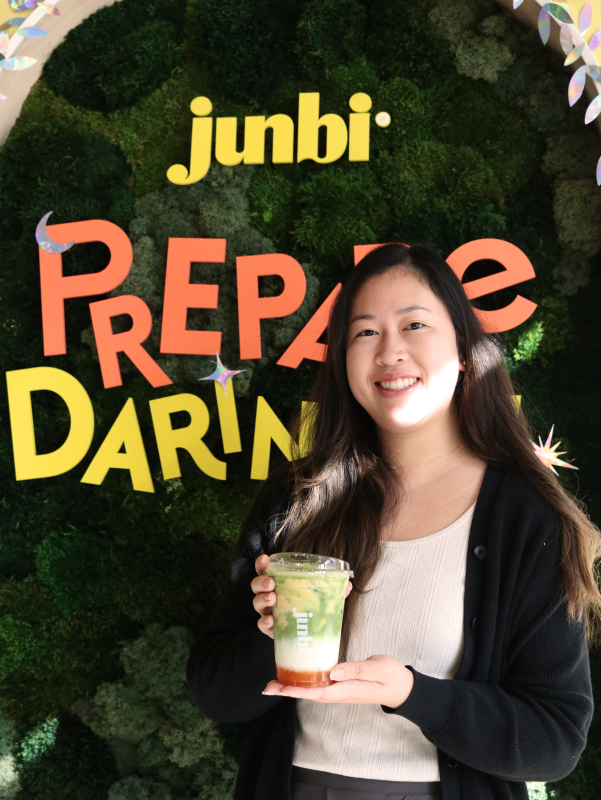
Denise is an employee at Junbi, and was the first person I talked to when I originally went into Junbi to ask if I could interview them for my documentary. She was really nice during the whole process, and I was able to find out that she often curates seasonal drinks which get put into the menu. When I first interviewed them she had curated the “Persimmon Matcha Latte“, which was really good.

Reflection
Looking back at this project, I’m really glad that I went outside of my comfort zone not only to interview people I didn’t know beforehand but I also chose a subject which I only had superficial knowledge about. I was able to form really nice connections with my interviewee’s and also came out with ten times the information I had on matcha before. It was exciting putting myself out there, and I’m also more comfortable putting myself in social situations now due to the documentary project. I’m excited to see how I could possibly use these skills for future projects.
Acknowledgements
I already thanked a few people in my book, but I wanted to thank mainly Jessica and Denise for being able to indulge in my interest in matcha. I also wanted to thank both my Mom and Dad who gave me a ride to Junbi several times, and never complained despite how out of the way it probably was for them.