White Balance

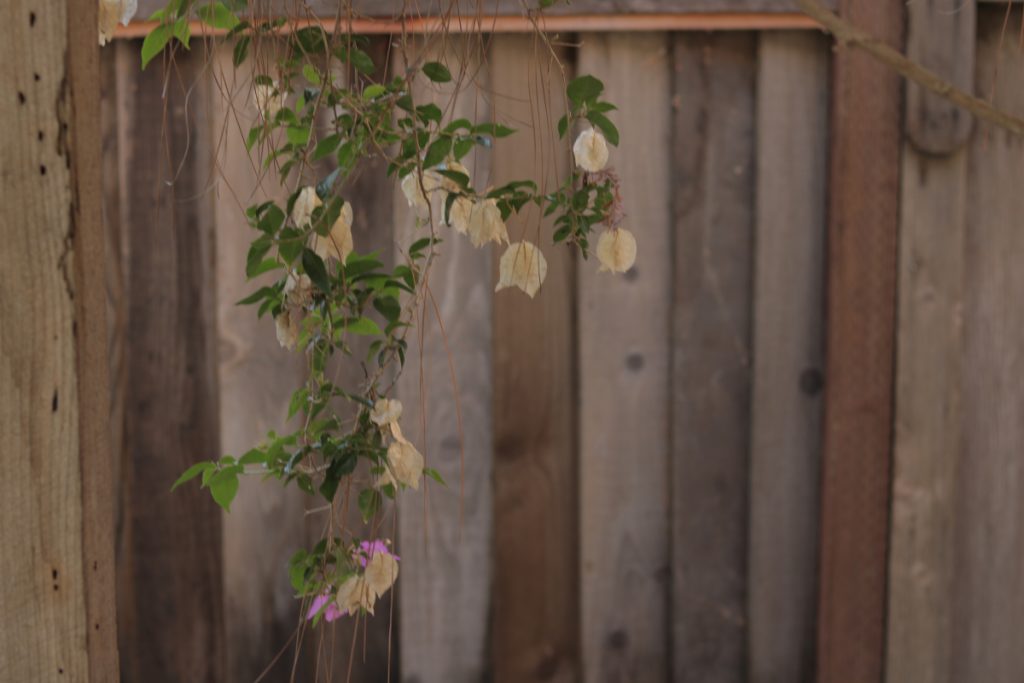
Image of brown fence in the background with white dried up/dead flowers hanging down. Flowers have bunches of green leaves with it and a couple pink living flowers.
50mm, 1/30, F3.2, ISO 100, Daylight White Balance
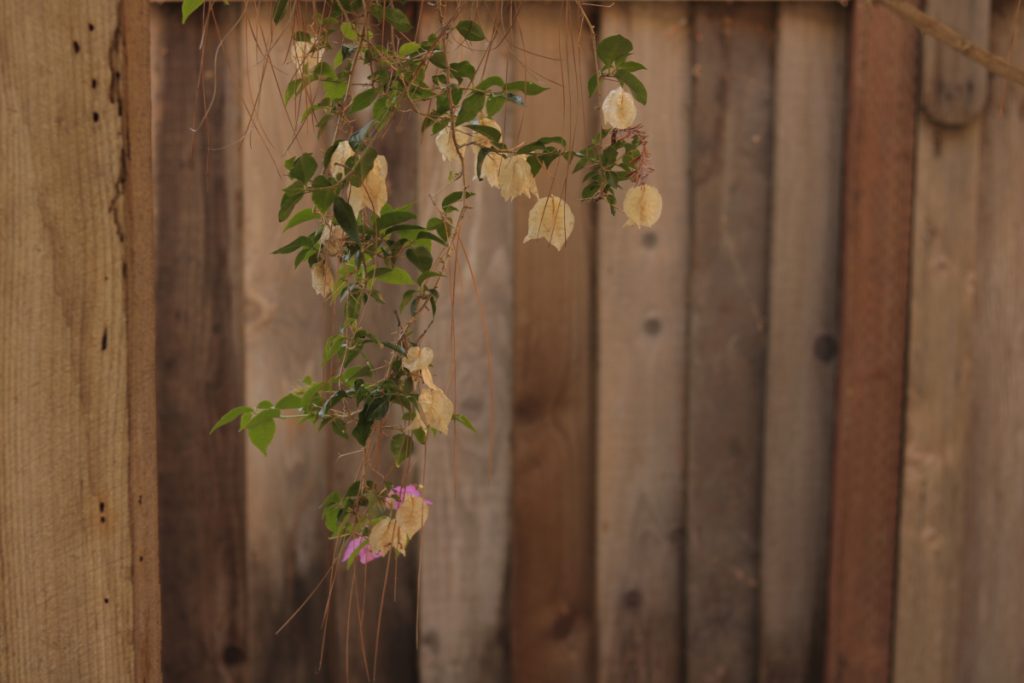
Image of brown fence in the background with white dried up/dead flowers hanging down. Flowers have bunches of green leaves with it and a couple pink living flowers. More warm toned photo.
50mm, 1/30, F3.2, ISO 100, Cloudy White Balance
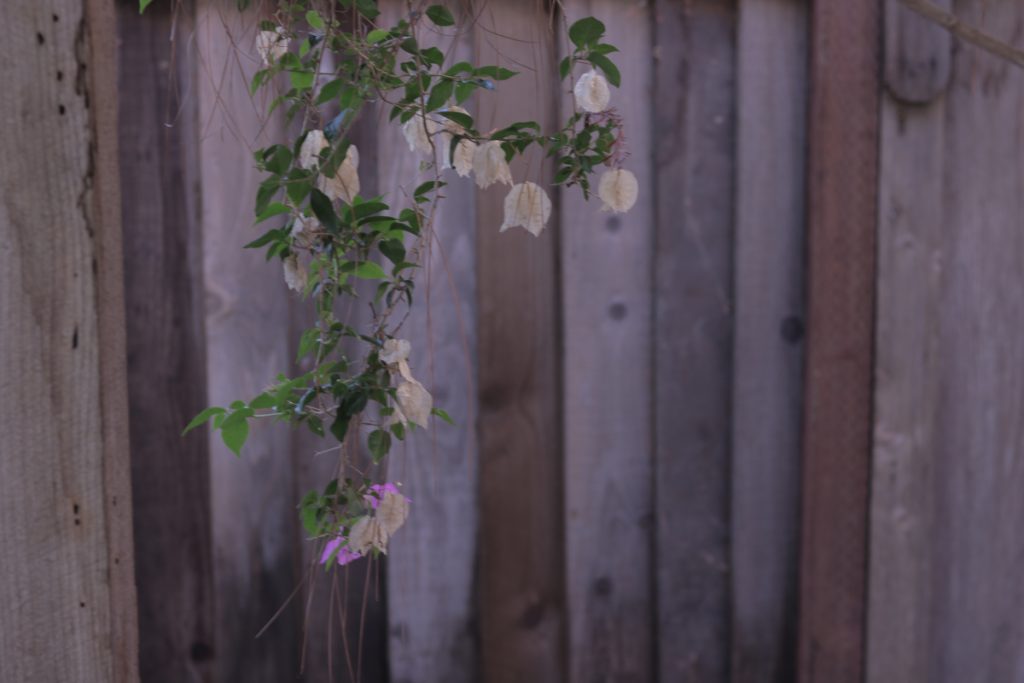
Image of brown fence in the background with white dried up/dead flowers hanging down. Flowers have bunches of green leaves with it and a couple pink living flowers. More purple cool toned photo.
50 mm, 1/30, F3.2, ISO 100, White Florescent Light White Balance
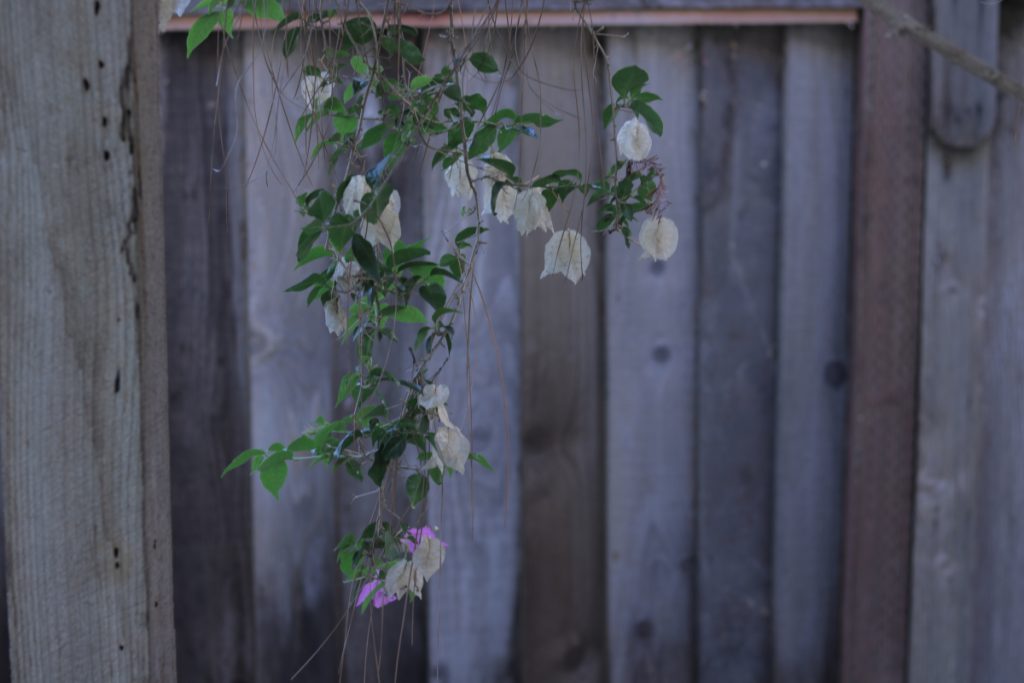
Image of brown fence in the background with white dried up/dead flowers hanging down. Flowers have bunches of green leaves with it and a couple pink living flowers. More blue cool toned photo
50mm, 1/30, F3.2, ISO 100, Tungsten Light White Balance

The goal of these photos was to show what a difference the white balance in a photo can make. When I took these photos it was anyways a sunny day so I started with the white balance set to daylight. I would say this photo capture the light and colors most accurately. The cloudy white balance setting seemed to make the image much warmer and a little brighter. This would be useful if a photo was looking dull and lacking some good sunlight. The white florescent white balance made the image more cool toned and definitely reflected the lighting you might see in a classroom or hospital. The tungsten light white balance also made the image more cool toned. Comparing the florescent and the tungsten light white balance the florescent looks more purple cooled tone white the tungsten looks more blue cool toned. These images can help show how white balance can alter and image and change the colors of a photo.