Introduction
The conceptual projects represent creative risk taking through different media types. It is a way to creatively find your own voice and develop skills in professional equipment. Students learn through trying new things, making mistakes, and deciding what they want their viewer to feel when they see their artwork.
Reflection
My first conceptual project in Freestyle for English and Digital Media was writing a poem and a parody. The poem for English allowed me to break free from the rubric style writing I’ve done in past English classes, and have a way to artistically express myself in writing and to explore emotions. The parody project for Digital Media gave me a fun way to write about something I cared about in a fun way, and let me have a lot of fun with my friend while we wrote and produced it.
Poetry
In English, we had a poetry unit. In the beginning of the unit, I had zero experience with poetry, and was pretty apprehensive because in the past I hadn’t have any luck with writing poetry. We had poetry workshops, which opened up poetry writing for me, and introduced me to not just writing, but expressing my feelings through words.
I started with my workshop poetry, which was mainly just following instructions. I ended up writing a few poems about real experiences and about things I had gone through, which was a great way to use my new skills to express myself.
I was initially nervous about sharing my poem, but once I shared it I was pretty confident about how I delivered it and how I wrote it. I loved hearing other people’s poems and how they interpreted the world around them. I thought it was a very cool experience and a way to understand each other better.
I valued the Poetry Unit because it gave me a new perspective on writing and producing poetry. Before this, I didn’t appreciate how much of a fun art form this is, but now I understand how rewarding it can be.
“Don’t Forget”
The faded beads click together,
each branded with a letter,
Worn from the days it spent
hugging my wrist,
A reminder of us.
The pink string, once bright,
Now sits.
Dull.
Like the memories,
in a box in my closet.
Ends frayed from being cut,
Tickle my skin,
A reminder of where they once lived,
All those years ago.
There are still imprints on my arm
From where it would press,
The kind that can’t be washed
no matter how hard I try,
They stay.
The beads, the strings, the memories
Sit in my closet.
Locked away in a box,
Somehow I’ve forgotten.
Statement of Intention
“Don’t Forget” is a free verse poem about letting go and allowing yourself to move on. The speaker is a young person who has experienced a meaningful relationship and is exploring the feeling of letting go through material actions, like placing something that holds meaning, like the bracelet, in a place where they can’t see it. In the first stanza, I use descriptive words such as faded beads, branded with a letter, each of which convey a specific emotion. Faded beads convey a sense of nostalgia, which makes the reader feel reminiscent. Faded beads tell how old this thing is, since it’s been faded from time and wear. Branded with a letter is slightly negative, to show the mixed emotions the speaker has with this object. It portrays some negative attachment, almost animosity towards this object. The speaker’s attitude toward what they are talking about changes when they describe the string. It goes from describing how the string used to be bright and full of memories, which described fondness towards it, showing how even though there are negative feelings, there are also positive feelings. The next line, however, tells how those positive feelings have faded from bright to dull. This tells the reader that this is a distant memory, and the brightness and vibrancy of these memories has faded, along with the positive feelings. It now ties in the memories and gives more context to what they are talking about. It tells about first the beads and how it symbolizes the two people that this bracelet connected to, then goes onto describing the bracelet’s string and how it faded like the memories, which shows how the speaker is letting go slowly. The “Ends frayed from being cut, Tickle my skin,” shows how the bracelet and finding it is reminding the speaker of the memories that they had previously tried to cut off. “There are still imprints on my arm” is the speaker not being able to forget this memory and it is always there with them silently, not painfully, but always there and you can slightly see and feel it. I tried to emulate visual imagery that I heard in Clint Smith’s “My Father is an Oyster,” since I found it audibly interesting and it made me think a lot more. I could listen to that poem, and without being there or experiencing any of the emotions he was experiencing, had a full grasp on what he was thinking and feeling. He used very describing words to connect his audience to his words, and I tried to use techniques like that, especially with my adjectives such as “dull,” and “worn from the days it spent, hugging my wrist,” In order to improve this poem, I adjusted some words, like it was originally “Faded from the days it spent,” but I realized that I had already used faded in the first line, so I changed faded to worn, which also made it sound more like it was faded from it being on the speaker’s wrist for so long, and not just because of something random. I want the reader to consider how memories and physical objects with memories associated with them make them feel, and if keeping them is like keeping the memories or not. I want to make the reader feel a bit sad and nostalgic, but also happy and relieved since the speaker is relieved about forgetting and is doing fine, even with these memories in the back of their mind. In short, I would like the reader to come away knowing they can let go and move on, even if they have ties to a memory.
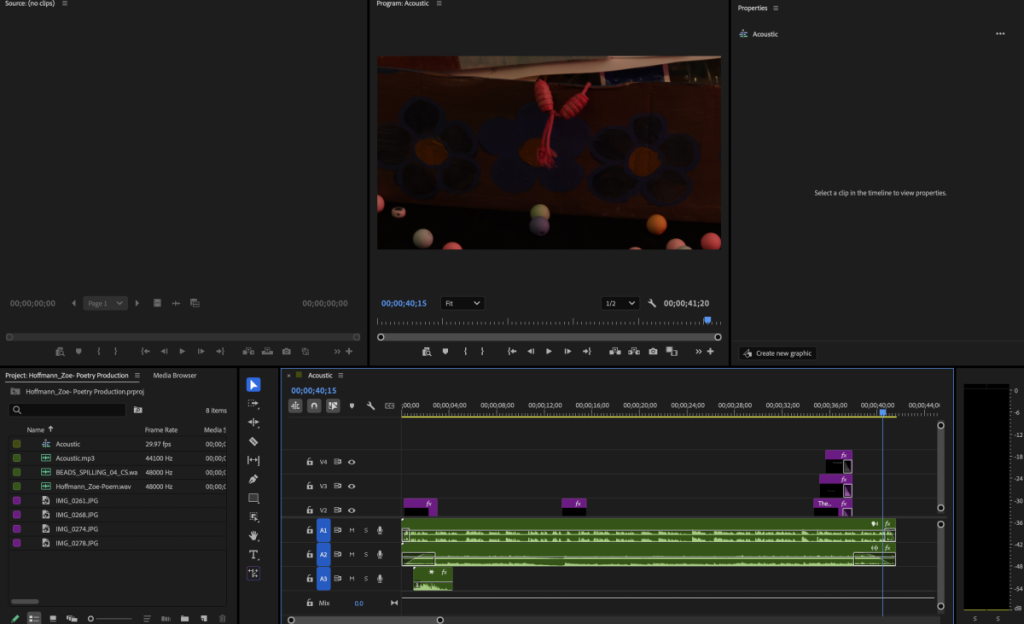
- My poetry video conveyed the meaning and spirit of my poem well, since I tried to take photos of what I thought of while writing the poem. It is a visual representation of my thoughts and also of my words, which I feel represents the spirit of my poem by showing insight to what I was thinking and what I feel while listening back to it.
- I valued emphasizing words to convey the spirit of my poem. I highlighted key words like “dull” which were also emphasized in my reading with how I structured my line breaks. This added power and emotion, by giving the listener more of an idea of how it would look written. I wanted to emphasize the emotion or losing something slowly, but being ok with it.
Parody Introduction
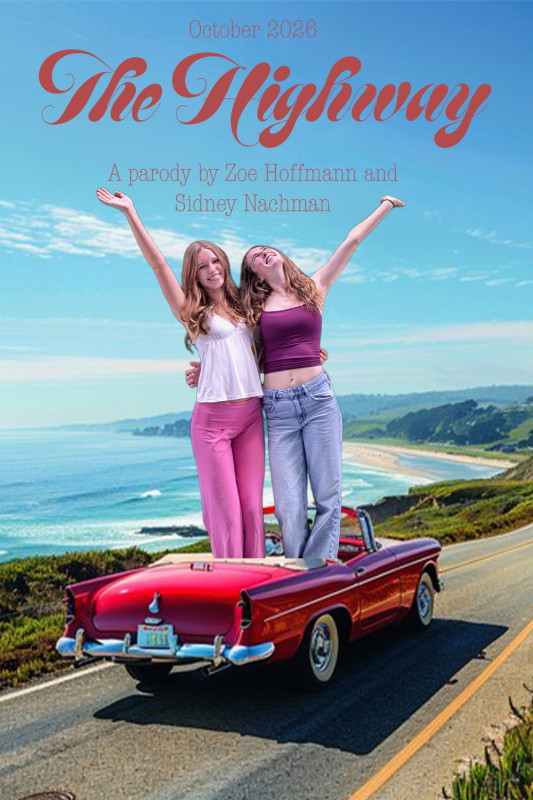
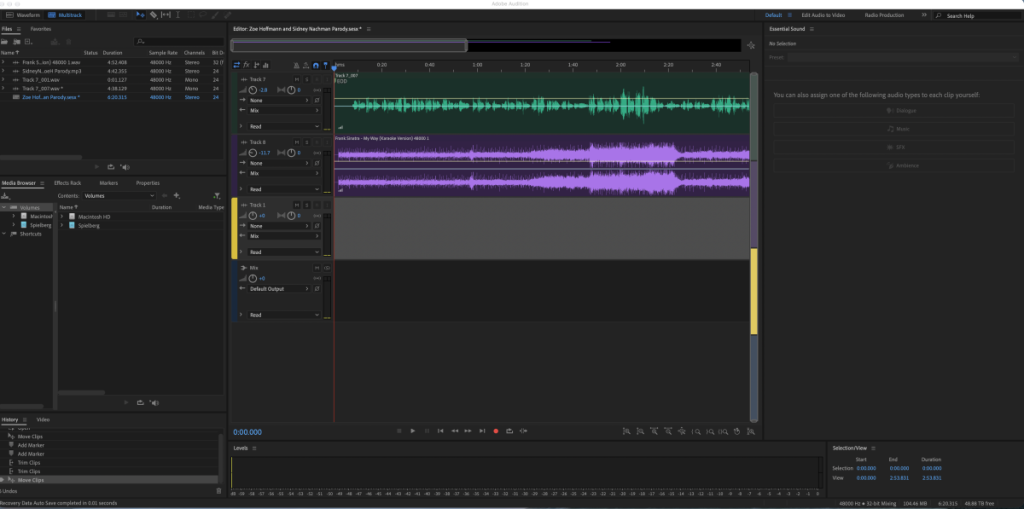
The process of writing the parody song was super fun. Sidney and I both had exciting experienced when we ere learning how to drive, especially merging on the highway, so we decided to write about that. We went through lyric by lyric and tried to fit in lyrics that worked.
At first, we were writing lyric by lyric over time, but eventually the lyrics just came to us and the ideas were flowing, so we ended up doing the whole song before we even realized it. Looking back, it was a super enjoyable fun experience where Sidney and I could let loose with our creativity. The message with our lyrics is how scary merging on the highway can be for the first time. We have both had some interesting experiences, so this was a reflection of that. I’m sure people who have learned to drive and/or taught a new driver to drive can resonate with this song.
Photoshop Blend Mode Editing
Insert stuff here
DSLR Practice Photos
In class, we learned about AV mode and how to use shallow depth of field and deep depth of field. We also did long exposure light photography, practiced flash photography with backdrops, P-mode with ISO changed, and how to alter the White Balance. Most of this was to improve our photography skills and to teach us how to use the basics on cameras.
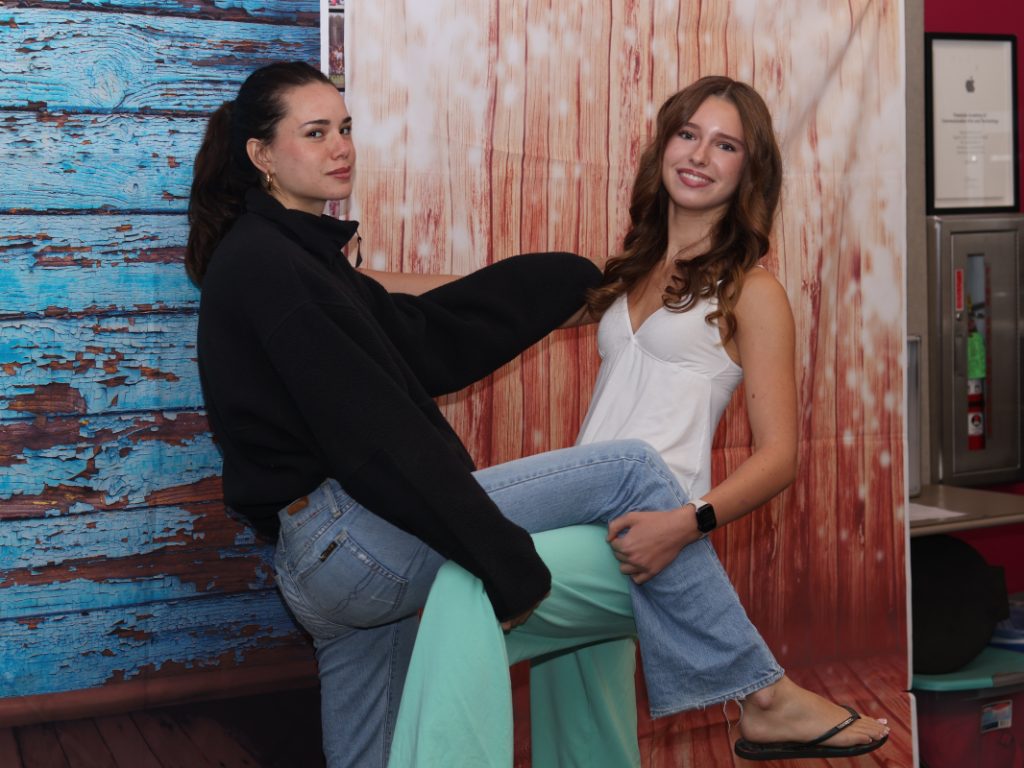
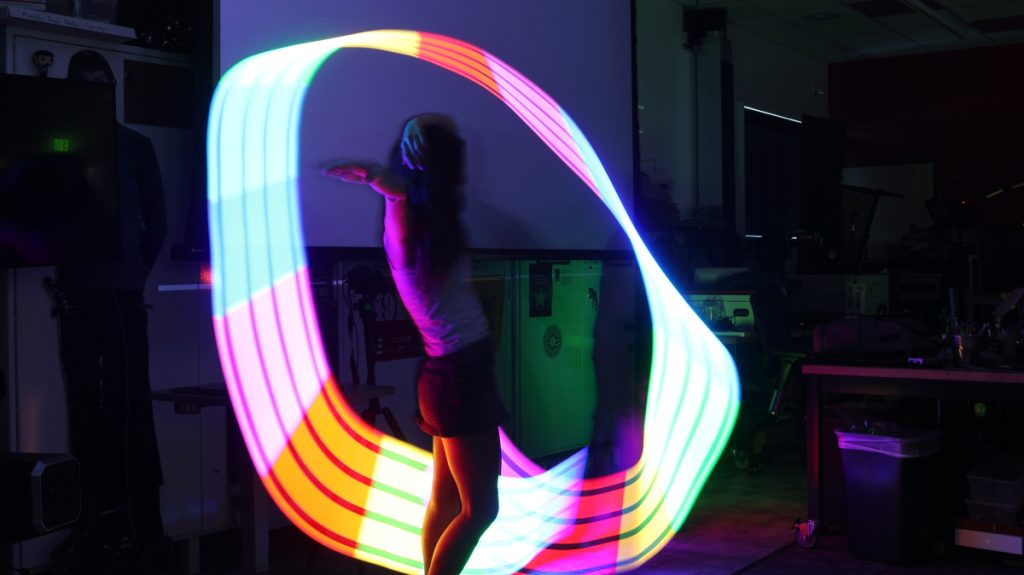
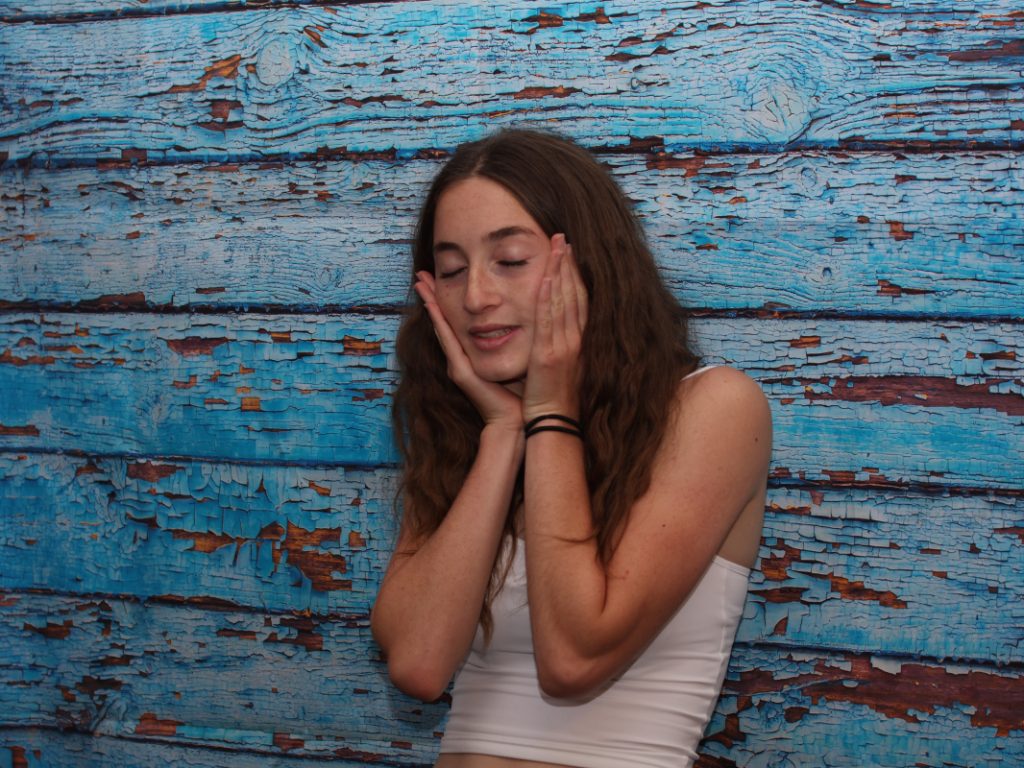
Learning to use a DSLR camera was not easy. It definitely took practice and time, and even now I’m still learning. Using AV mode and adjusting depth of field was difficult because I had to be super precise with what was in my photo. TV mode with long exposure night photography was super fun because you basically stand back and let the camera do everything while a friend is waving lights around. Doing flash portraits was difficult at first to focus, but eventually I got it and it became super fun. Using P-mode with ISO changes was a hard concept to grasp at first, but the more I practiced, the more it clicked and made sense. Altering White Balance was also difficult at first, but like all of these, one I had more practice I got better.