Introduction
The Explorations Project asks one question: “How can you find, explore, and/or expand your passion?” For this unit, every Junior at Freestyle chose a skill connected to their own interests and worked to develop it — building on the 21st Century Skills framework that guides everything we make here.
For my Explorations Project, I chose to expand my skills within film by learning how to operate our program’s drone and experimenting with basic VFX techniques in Premiere Pro. Inspired by the world-mirroring effects in Inception, I wanted to learn how to create that kind of disorienting, visually striking reflection effect in my own footage. The drone gave me access to aerial perspectives I’d never worked with before, and the VFX work pushed me to think about post-production in a way that went beyond basic editing. The 21st Century Skills I focused on were Technological Literacy — learning new tools and how to use them effectively — and Creativity — applying those tools to produce something original and visually intentional.

Process
As part of the Explorations process, all Film students had to write and pitch their project ideas before getting approved to move forward. My original pitch was for a different video effect — but after talking it through with my film teacher, it became clear that the technique was too new and didn’t have enough available research or tutorials to make it a viable project within our timeframe. So I went back to the drawing board and landed on something I’d been genuinely inspired by for a long time.
My revised Explorations Project started with a clear inspiration — the world-bending city scenes from Christopher Nolan’s Inception (2010). I wanted to try recreating that surreal, disorienting effect where the environment folds in on itself.
Project Obstacles

The first problem I ran into was scope. The full animated city-curling effect I had in mind was simply not achievable in our timeframe — after some research into how Inception‘s editing team actually pulled it off, it became clear that replicating it faithfully would require resources and time well beyond what I had. So I scaled down to something more achievable: a simpler world-mirroring and flip effect applied to real footage. The next problem was getting that footage. I wanted cinematic aerial shots of an urban or city-like environment, but stock footage was out of the question at $70+ a clip.
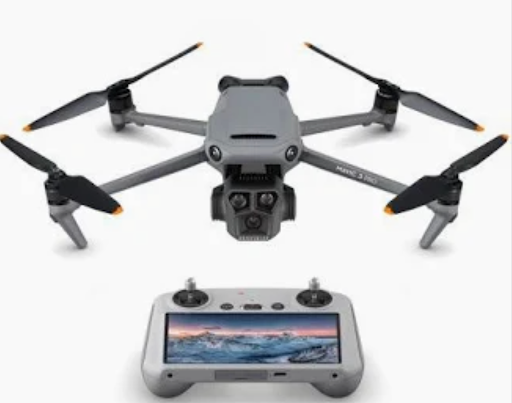
The solution was to learn how to fly Freestyle’s DJI Mavic 3 Pro drone with Mr. Taylor. Due to FAA regulations, drone filming in the Bay Area is heavily restricted — only a small number of locations allow it without special permits. I ended up shooting at Rancho San Antonio County Park over two evenings, capturing a variety of aerial movements to experiment with later in editing.
Getting the Footage
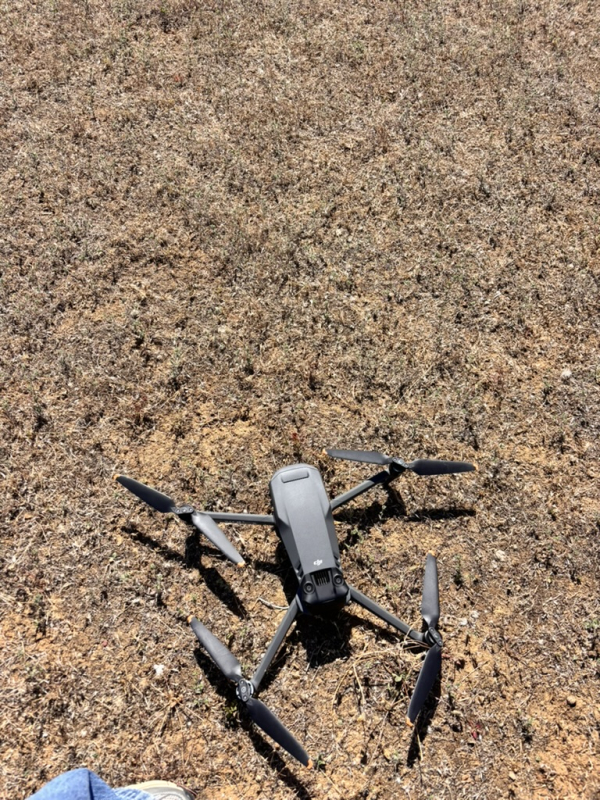


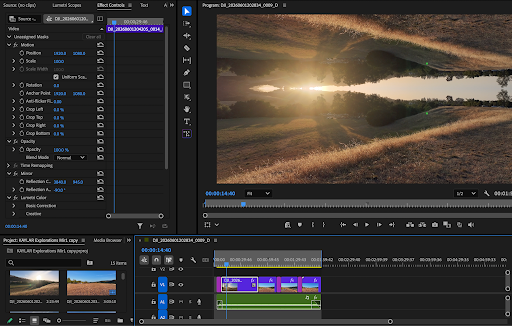
With footage in hand, I researched how to actually execute the effect in Premiere Pro, finding YouTube tutorials on recreating the Inception mirror and flip technique, and got additional help from Jesse. The editing process itself turned out to be surprisingly quick once I understood the workflow — using Premiere Pro’s Mirror and Flip effects inside the Effect Controls panel, layering and adjusting reflection angles to create the illusion of a world doubling back on itself.
Research + Example Videos:


My Own Samples:

Final Products (Presentation):
The final product is a roughly 2-minute compilation of drone clips featuring different types of aerial movement, each with the mirroring effect applied. I deliberately varied the drone movements to see how each one interacted differently with the effect — some producing a clean symmetrical reflection, others creating something more abstract and disorienting.
Final Take Aways + Reflection
What I valued most from the Explorations Project was that it pushed me into a part of filmmaking I actively avoid. Post-production and VFX have always been the aspects of film I feel least confident in — I tend to gravitate toward the camera and production side and treat editing as something to get through rather than something to invest in. This project forced me to sit with it, research it, and actually problem-solve through it, and I came out the other side with a genuinely better attitude toward that part of the process. Learning to fly the drone was an unexpected bonus — it’s a skill I now actually want to keep developing. As a digital artist, I think the biggest benefit was simply proving to myself that the technical side of filmmaking doesn’t have to be something I dread, and that with the right tutorials, patience, and help, I can produce something I’m proud of even in unfamiliar territory.
Poetry
The Poetry unit was a welcome exhale after the intensity of the Documentary project. In English, we explored multiple approaches to poetry — free verse, cento, prose poetry, and more — through unconventional writing prompts, group exercises, and revision workshops. A highlight of the process was having local poet Ms. Moore visit our class, bringing a grounded, human energy to the writing that made the whole unit feel less like an assignment and more like permission to just sit, feel, and write.
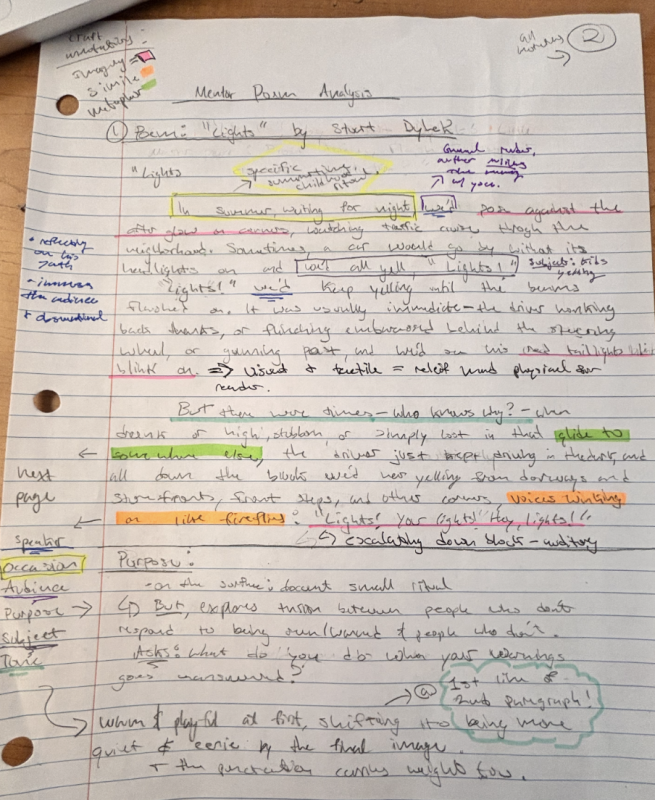
My poem of inspiration was Lights by Stuart Dybek — a piece that uses small, specific childhood details to hold something much larger and more ineffable. I wanted to do something similar: use the concrete, physical details of my backyard to carry the weight of early childhood innocence and the moment that world first cracked open.

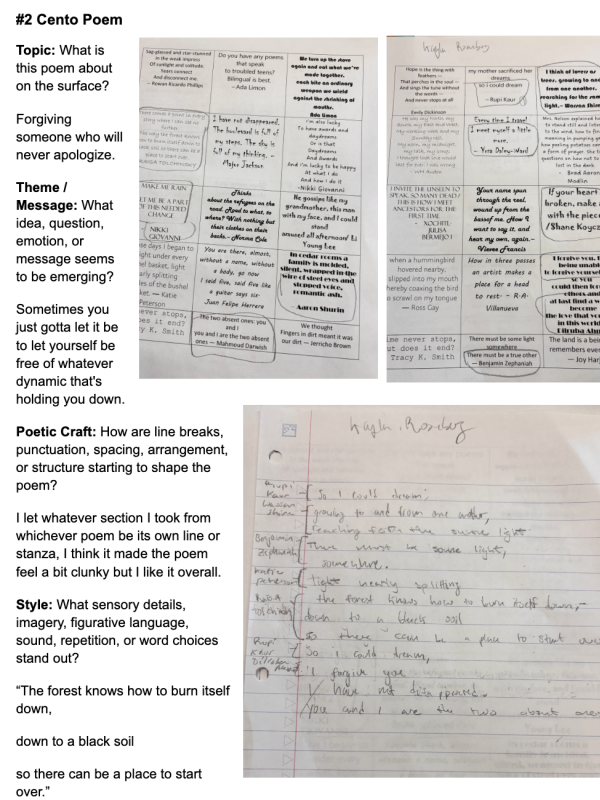

Final Version
Poetry Production — Digital Media
Once the poem was finished, the next step was bringing it to life as a short video production. I recorded myself reading the poem aloud, then layered relevant visuals over the top — family photos and home videos that matched the specific imagery in the poem — and set it to music. The process of digging through old family archives to find the right footage was unexpectedly moving, and made the poem feel even more real than it had on the page.
(Poetry Production HERE, needs to be uploaded to YT).
The poetry production was one of my favorite things I made this year. There’s something about hearing your own words read back over images from your actual life that makes the writing land differently — heavier, but in a good way. Digging through old home videos and family photos to find visuals that matched specific lines in the poem was a surprisingly emotional process, and it pushed me to be really intentional about which moments I chose and why. The music layer added another dimension that I hadn’t fully anticipated — it held the whole thing together in a way that made the poem feel less like something written and more like something remembered. It was a small project compared to everything else this year, but it’s one of the ones I’m most proud of.
Junior Year Reflection – 1 Year at Freestyle
After a year at Freestyle, I’m a completely different person. This program challenges me more than any AP or honors class ever did, but the pressure here is creative and productive — and that’s exactly what I needed. Every project this year pushed me to figure it out, whether that meant rewriting an entire article from scratch with weeks left in the semester, finding a new documentary subject after the first one fell through, or reworking a storyboard three times over — redrawing shots across hundreds of index cards until it finally worked. There was no option to just not do it — you make it work, and in making it work, you grow. I can feel that growth in the way I approach problems now, in the way I think about a shot, a sentence, a sound. Despite regularly falling behind in Digital Media and consistently testing Mr. Taylor’s patience, I feel like I belong here. I’m more capable and more excited about my future as an artist and filmmaker than I’ve ever been — and I have so much more to learn and make.