

Introduction
In the documentary unit, we have developed our skills in the narrative unit relating to story telling and character. And now we tackle the events of real life using those skills in order to share them with the world. By applying narrative techniques and doing interviews with people, we can take these real life stories and share them in a way that is engaging with an audience. And that way we can better connect with the people we interview and the audience that we are showing to. In my documentary project, I tackled two different stories. One was about this crossing guard and her value in the community, where we dug deeper into her past. And the other was about a gym trainer where I made a documentary about the benefits of strength training and his ideology of strength. What I was most proud of in this project was making people see the crossing guards story. Someone they would have never seen is now on a screen in front of them, and even made some people cry. And that was all because of the story that I helped created.
Interviews

My second interview was with Bubbles the Crossing guard. At my old elementary school, bubbles the crossing guard was there every single day for 20 years helping students cross the road. Her fun bubbly personality and her commitment to keeping the students safe made her a valued part of the community known by everyone in the school.
My first interview was with Steve Babcock. Steve Babcock is a competitive weight lifter and personal strength trainer who owns a weight gym business called Age-Less strength. I chose to interview him because he has a unique perspective on the topic of strength training in goals.
Steve Babcock Interview Questions
English Paper
In English, our documentary project was our long term English paper. Starting from our initial interviews, we spent months and months working through our documentary process. This included finding sources that would integrate as evidence into our documentary. We spent time working through our research questions to work through how we can write about our subject, And then in our documentary outline we drafted the basis for how our documentary would be structured. Which brought us to the final product which is our complete documentary paper.
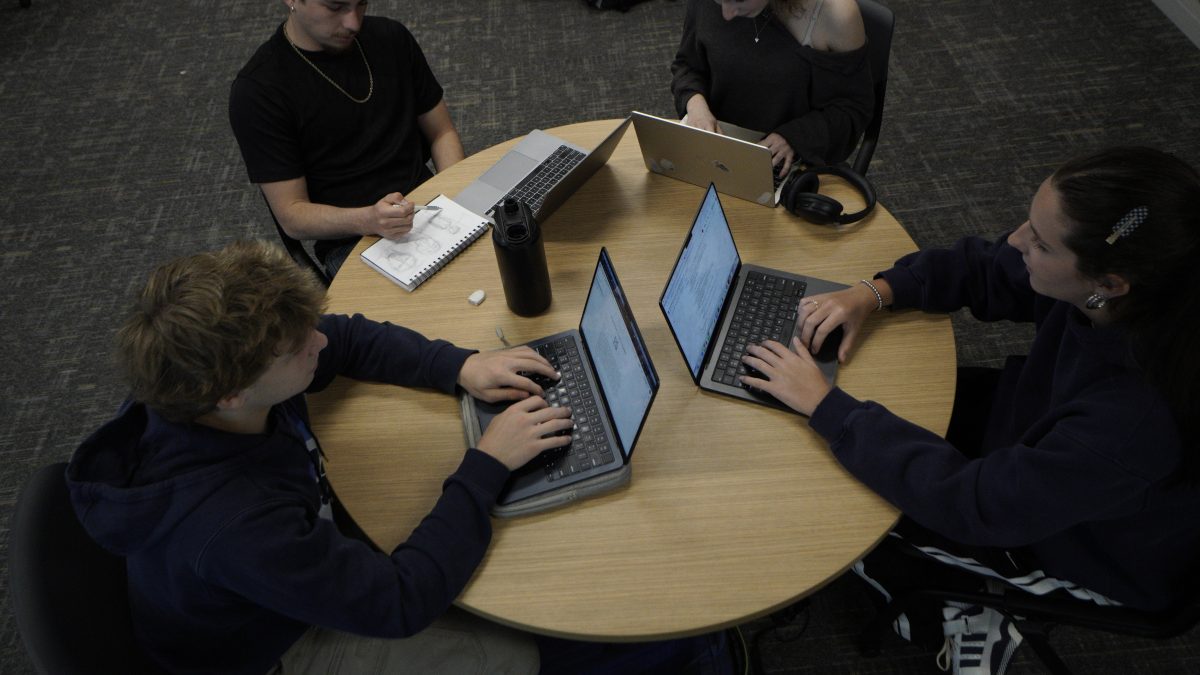
In the documentary paper, what made it most difficult was creating a long term schedule in order to create the final product. For example we spent a long time working on what questions we were answering in the documentary and categorized them into different types of questions. And by doing activities like this, we were able to improve the focus and impact of our documentary paper.
In my documentary paper I talked about Steve Babcock. This proved being difficult because I have never done this type of writing before. When I was given a blank page I went straight into argumentative writing mode. But at the same time I was being assigned to write a documentary that is accurate and portrays a person accurately. And this made it very difficult to actually find what I wanted to do. So after talking with our english teacher and exploring different people’s documentary projects, I was finally able to figure out what I wanted to write about. In this documentary I talked about how Babcock’s approach to strength training is something that can be beneficial to anyone who is interested in mental and physical health improvement. Through synthesizing his ideas that he shared with me as well as the sources that I researched from, I ended up creating a pretty good argument that still has the feel of a documentary.

Documentary Film
In Film, we learned the process of creating a documentary film. This type of film has many skills including camera work and story structure that are similar to creating a narrative film. But there are many new skills and techniques that we had to learn and apply for this type of film
In our Mockumentary assignment, we created a fake documentary story where we acted as the subjects of the interview as well as filmed eachother acting as different characters. In our mockumentary, I made up the story of our film teacher Mr. Taylor being a character as if it was a tv show or film. And my group doing the project all acted as different people in production of this character. I was playing the actor who plays mr Taylor, Aidan acted as the graphic designer of the character, and Emma acted as the director of the entire show.


With these interviews from the mockumentary, we learned how to properly film an interview. The subject’s eyes must be on one third of the screen. And facing the side opposite of the third. And the light must be coming from the opposite side of the interview subject. So after learning these techniques from our Mockumentary, we were able to more effectively and reliably film our real interview for our main subject.


The film documentary is actually structured as if it was a argumentative essay. In the start we introduce the subject which is bubbles. And then we established different arguments that we are making about her. That she is fun and quirky, that she takes her crossing guard job very seriously. And then we go into deeper topics like where her motivation to protect children comes from and what value she has gotten from it. Overall, the way we structured it together made the film a fun and also emotional piece that is easy to watch. We are very proud of it.
Reflection
What made the documentary difficult is it was harder to predict what would happen compared to the narrative project. In my documentary paper, I had switched subject over 5 times and had actually removed my interview in place of my secondary interview which ended up being my main subject.

To the left is an image of our old plan for the documentary unit. It was this entire planning document that my partner and I made in order to find the right escape rooms to get more interviews. We had at least 4 escape room companies that actually got back to us and then rejected later on. Putting us multiple weeks behind in the documentary project. In order to keep pushing on, we ended up moving to a different subject entirely so we could actually start making progress
What the documentary unit taught me is that staying on schedule and being reliable is more important than sticking to an original idea. In life things are going to change and not go as expected, so we have to have the skills in order to change plans when needed. So with the experience I have gained from the documentary unit, this will allow me to be more efficient and reliable in bigger projects like the senior narrative and zenith.
I want to thank Bubbles the Crossing Guard and Steve Babcock for being part of our documentary projects. I also want to thank Stephen Messner for being my partner in this film project. And also a thank you to JC Laraya who unfortunately I wasn’t able to make a project out of our interview, but was still an amazing person to interview. And I want to thank Mr. Greco who helped me during my documentary process when I was struggling through it.