Introduction
The Conceptual Project pushed me to think more abstractly and express myself in ways I wasn’t used to. It gave me the space to experiment and figure out what my own style looks like by trying out different software and real professional equipment. Along the way, I learned how to use tools like DSLR cameras, Tascam audio recorders, Adobe Photoshop, Animate, Premiere Pro, After Effects, Audition, Avid Pro Tools, WordPress, and Google Apps—skills I wouldn’t have picked up without diving into these projects.
Our first conceptual art project at Freestyle was the Art Reflection Video. For this project, we started by experiencing a moment of awe in person during our visit to the MoMA, where we saw all kinds of amazing and intriguing pieces. After that, we wrote a short narrative audio script based on what stood out to us. Once we learned how to record on a Tascam audio recorder, we recorded our voice-overs and learned how to edit the audio. Additionally, we learned how to animate our photos using Adobe Premiere pro turning everything into an engaging and visually interesting video.
SF MOMA Art Reflection
For our SF MoMA field trip, I had the chance to see art in a way that felt immediate and personal. Walking through the museum helped me slow down and really think about why certain pieces made me feel the way they did. Back in class, our Art Reflection assignment in English and Digital Media pushed me to turn that reaction into a clear idea and then into a finished project. Conceptually, I learned how to take an emotional moment and shape it into a focused story. Artistically, I played with pacing, voice, and imagery to make the video feel honest and engaging. Technically, this project stretched me the most. I edited everything in Adobe Premiere Pro and learned how to use keyframes to adjust opacity, create movement, and scale images so the visuals supported what I was saying. It was my first time doing this kind of editing, and it gave me a much better sense of how professional tools can shape the mood and meaning of a piece.
Emmy Su’s SF MOMA Art Reflection Video
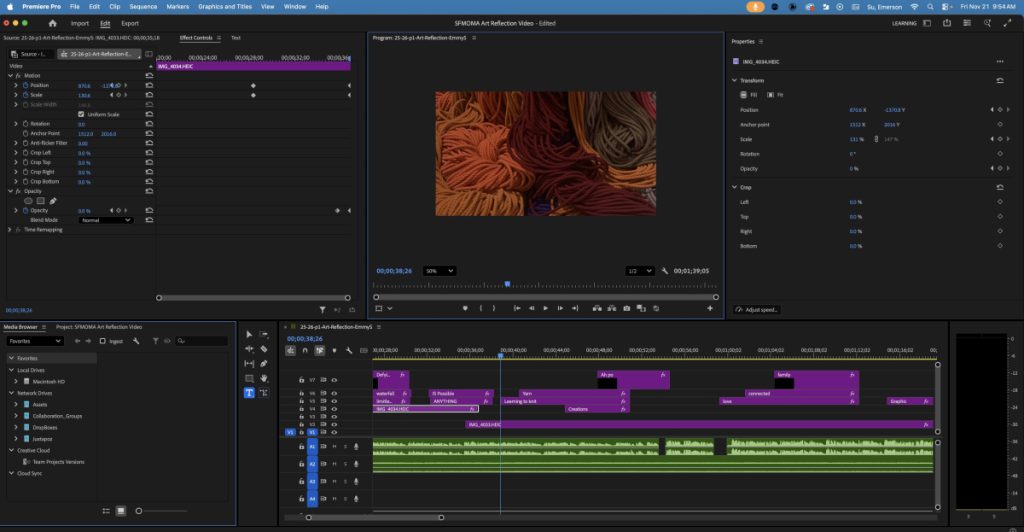
From the Art Reflection Video project, I really valued how the English and Digital Media parts came together into my first video. In English, I learned how to take my first-hand experience, the awe inspired by artwork at the MoMA and turn it into a narrative. I learned how to focus on the moment itself, cut out the side tangents, and express my genuine feelings in writing (something I’m still working on!). That process helped me understand how to shape a personal moment so it conveys meaning and feels meaningful to someone else. In Digital Media, I loved the hands-on experience with Adobe Premiere Pro. Learning the basics of how to use keyframes to adjust image and text opacity and spacing, how to add and edit audio by trimming it, and how to layer different soundtracks to complement each other helped me learn how to elevate a video. It was really exciting to see my memory become words and a full video. I’m excited to keep exploring what Premiere Pro combined with stories can do.
Parody Introduction
▶ Love Is a Sandwhich War
⏸ Audio Title

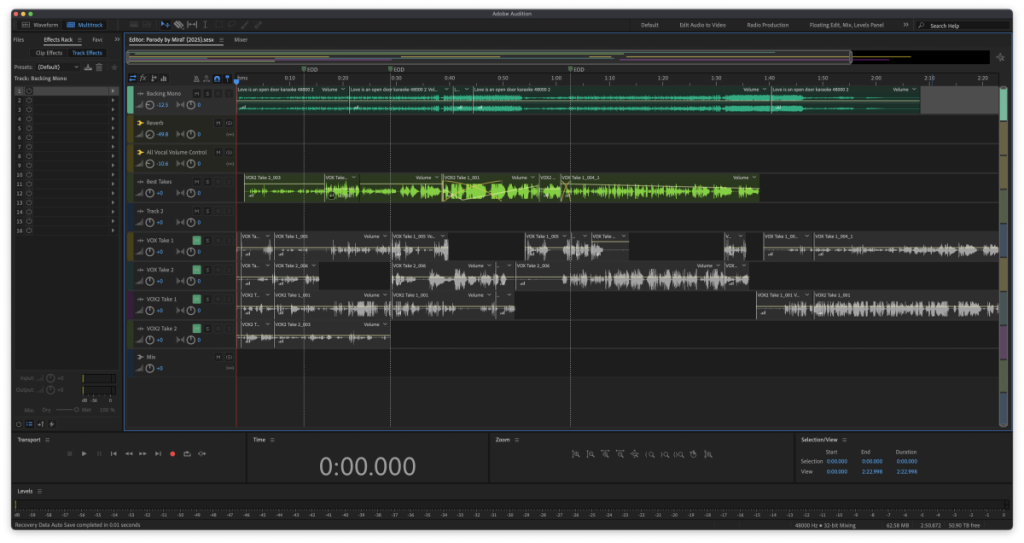
Producing our parody song was a daunting but fun task! It’s the first recording I’ve done, and was a fun assignment to learn Adobe Audition and how to use recording booths.
We chose the song, Love is an Open Door, from the Disney movie, Frozen, as our song to make into a parody. We chose this song because we thought it would be a fun duet that we could sing back and forth. Our song is about sandwiches, which is inspired from the line from the original song “We finish each others – sandwiches!” as we thought it would be a fun concept.
The first step in the process of producing this song was to write the parody lyrics and figure out the logistics of who would be singing each line. After this, we set up the Multitrack Mixdown session in Adobe Audition, which required learning how to put effects on multiple tracks at once and recording properly. Next, we recorded the audio, which took a few takes, then edited it all together. The editing consisted of us splicing different parts of audio together, cutting out the bad parts, adding effects, and more. What we valued most about the process of making a parody was the opportunity to be creative on a project together, while simultaneously learning a new Adobe program. In looking back at the parody process, we would say that changing the parody lyrics to match the same number of syllables/spacing may have helped us with a smoother recording process. However, it was still an enjoyable learning experience either way.
Our message with the lyrics was about having fun and finding joy in the simplest tasks of daily life. We wanted to touch on the idea of childhood fun and carefree nature, so we wrote our parody lyrics about a food fight, or fighting over sandwich ingredients. Our idea stemmed from the fights you might have in the kitchen with a sibling at a young age, throwing food back and forth and laughing. We are most proud of the parody lyrics we wrote because they are based on a joke written in the lyrics of the original song. We enjoyed taking one line from the original song and turning it into the concept for our entire parody.
Our message with the lyrics was about having fun and finding joy in the simplest tasks of daily life. We wanted to touch on the idea of childhood fun and carefree nature, so we wrote our parody lyrics about a food fight, or fighting over sandwich ingredients. Our idea stemmed from the fights you might have in the kitchen with a sibling at a young age, throwing food back and forth and laughing. We are most proud of the parody lyrics we wrote because they are based on a joke written in the lyrics of the original song. We enjoyed taking one line from the original song and turning it into the concept for our entire parody.
Parody Lyrics:
Okay, can I just say something crazy?
I love crazy
All my life I’ve been starving, just hangry
And dreaming about whole wheat breadd
I was thinking it’s time for a sandwich!
Cause like
Ive been searching my whole life to find some cheese
but you took the last slice so
the kitchen’s a battleground.sandwich war!
sandwich war!
Crumbs on the floor
You finished my mayo jar
And we better not be out of pickles!
This is a sandwich war!
This is a sandwich
Door
War!
Door
war
This is a sandwich war!
My fooooood
My fooooood
My fooooood
Not yours!
This is a sandwich war!
I mean it’s crazy
What?
We finish each other’s—
BLTs!
That’s what I was gonna make!
I’ve never met someone
Who steals my chips like you—
Jinx jinx again
Our stomachs rumblin’ in perfect tune!
Fightin over all the ingredients
Bread
Cheese
Butter
Ketchup
And mustard
Imma make my sandwich
MY sandwich
Ur gonna be hungry
We don’t have to steal all the food
This is a sandwich war!
This is a sandwich war!


Photoshop Blend Modes Editing
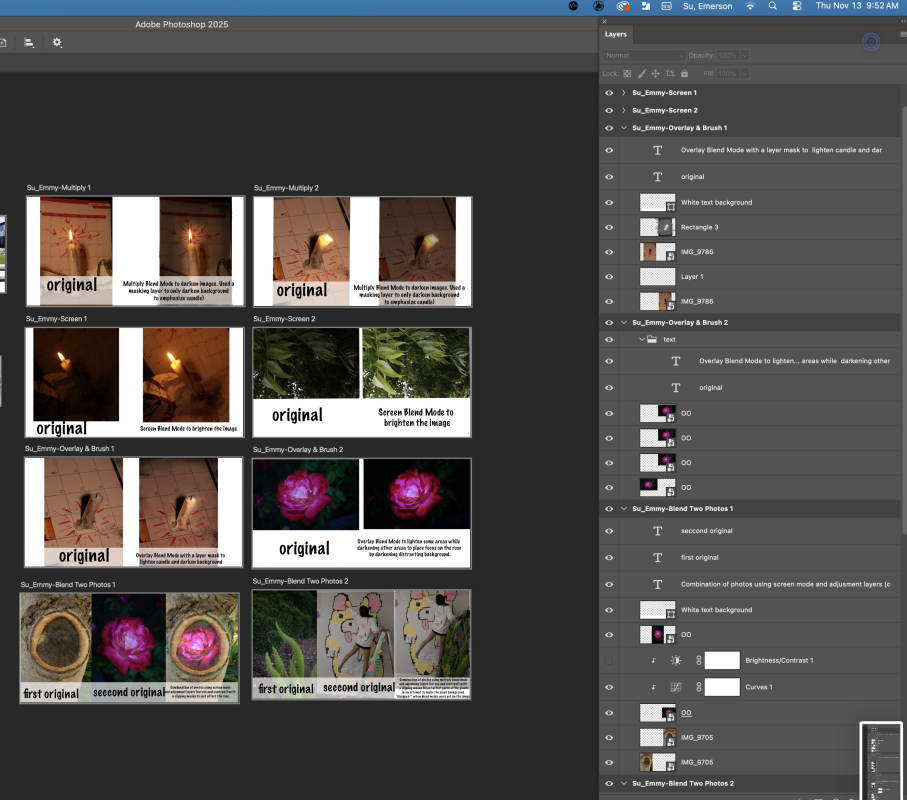
The Photoshop Blend Modes Editing assignment challenged us to learn how to edit our photos both creatively and professionally. In this section, we compared the original raw photo we took with the photo we edited using blending modes. Each blending mode has a different purpose. Each mode focuses on white, black, or gray pixels and blends those pixels onto a bottom layer, which is why some blend modes lighten the image while others darken it or create contrast. After learning three blend modes, we were challenged to creatively blend two photos using our new knowledge.
I value learning about and creatively using Photoshop blend modes because knowing how to “easily” enhance images will be especially helpful when photographing. I can see myself using these new Photoshop skills in my creative projects a lot. Sometimes, a photo looks like it has good lighting on the camera screen, but once it’s on the computer, it doesn’t. Being able to edit the photo means I can still use it without having to reshoot. I also loved learning how to add clipping masks so the lighting can be changed in just one area, since that helps me highlight specific parts of my image and emphasize the story in my projects more clearly.




DSLR Practice Photos
Over our first semester at Freestyle, we have taken countless DSLR photos, learning Av Mode with shallow and deep depth of field, Tv Mode with long-exposure night photography, flash practice with portraits in front of backdrops, P-Mode with ISO changes, and how to alter White Balance. These have been extremely fun and insightful opportunities to learn how to take quality photos and understand which modes to use when, giving us the skills to begin taking more professional photos of our projects and our everyday lives.

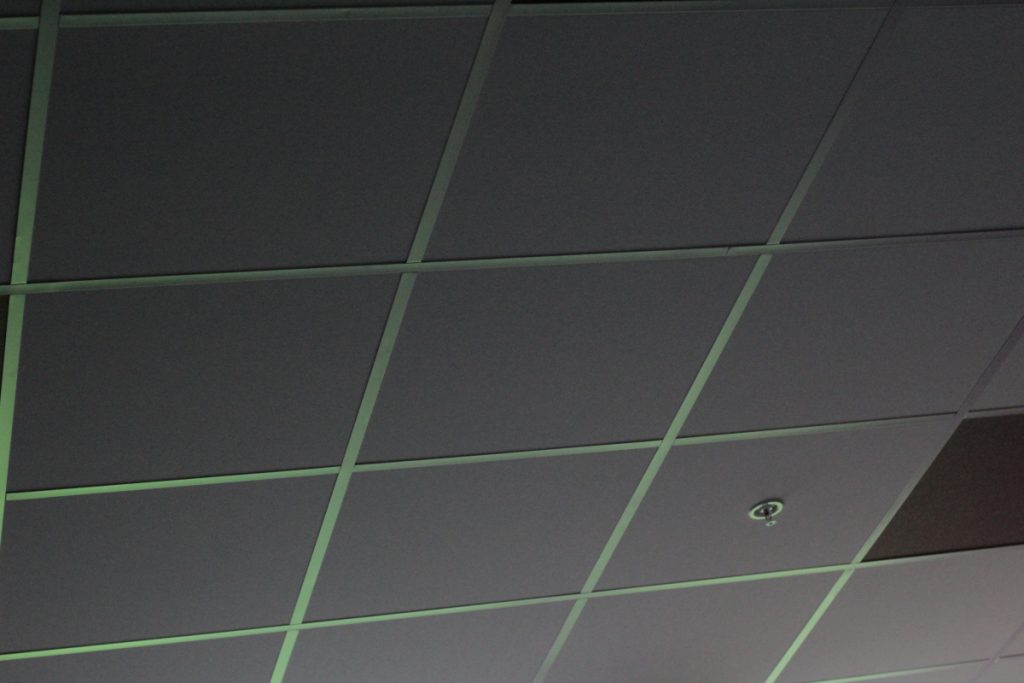
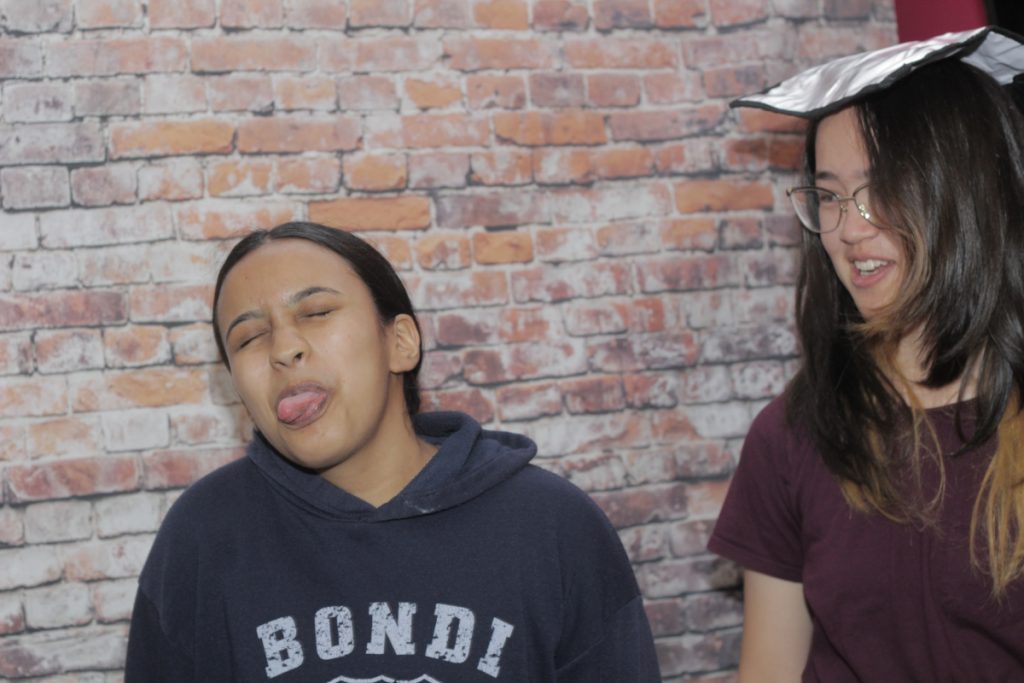
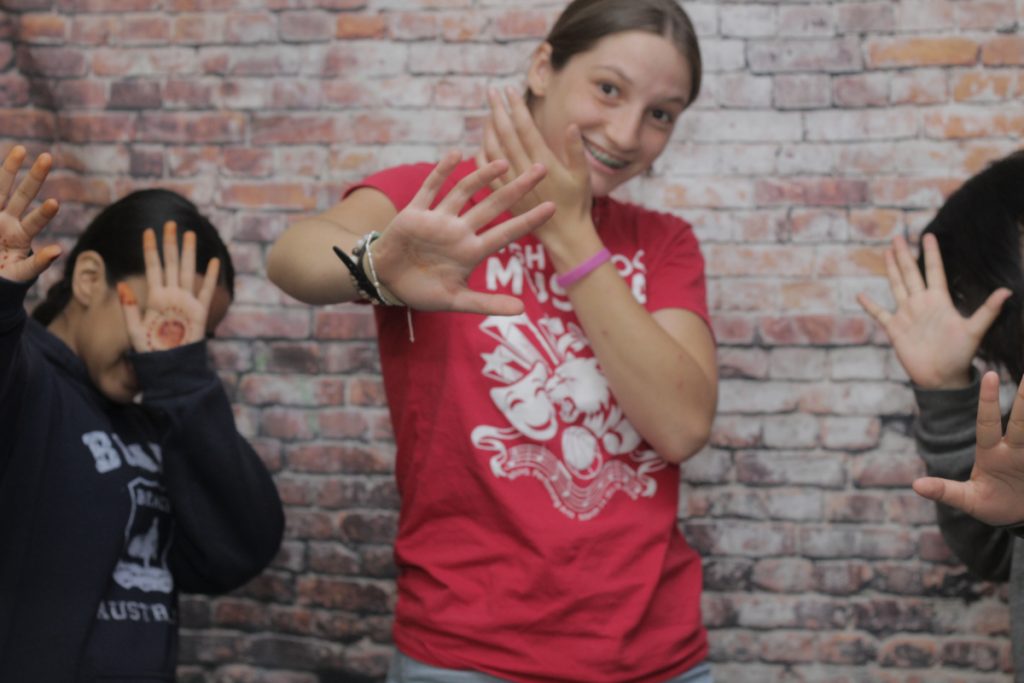


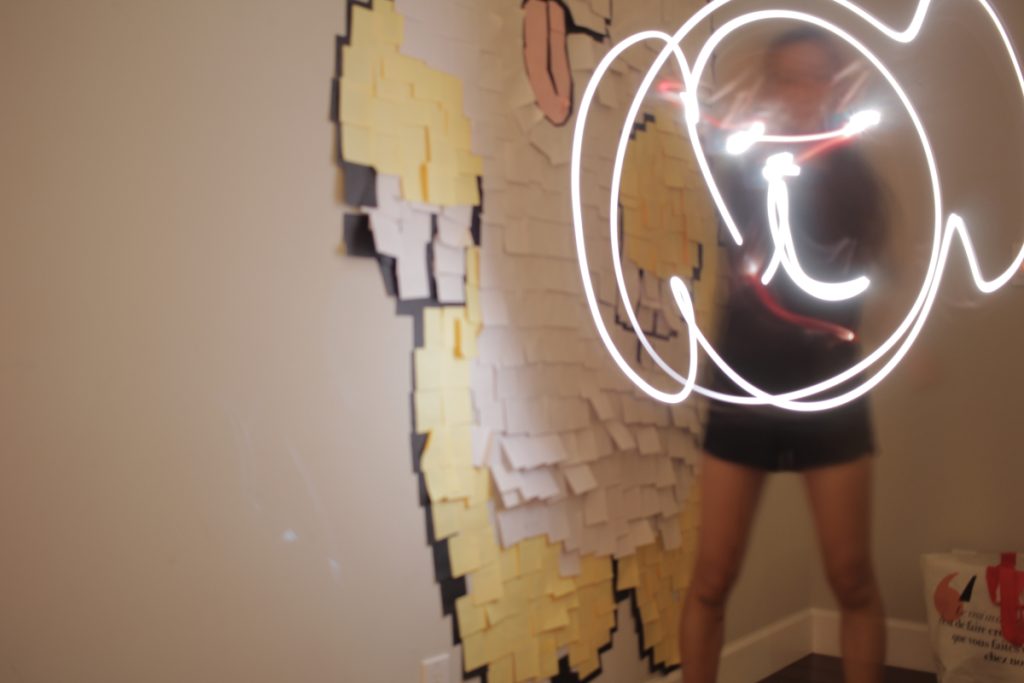

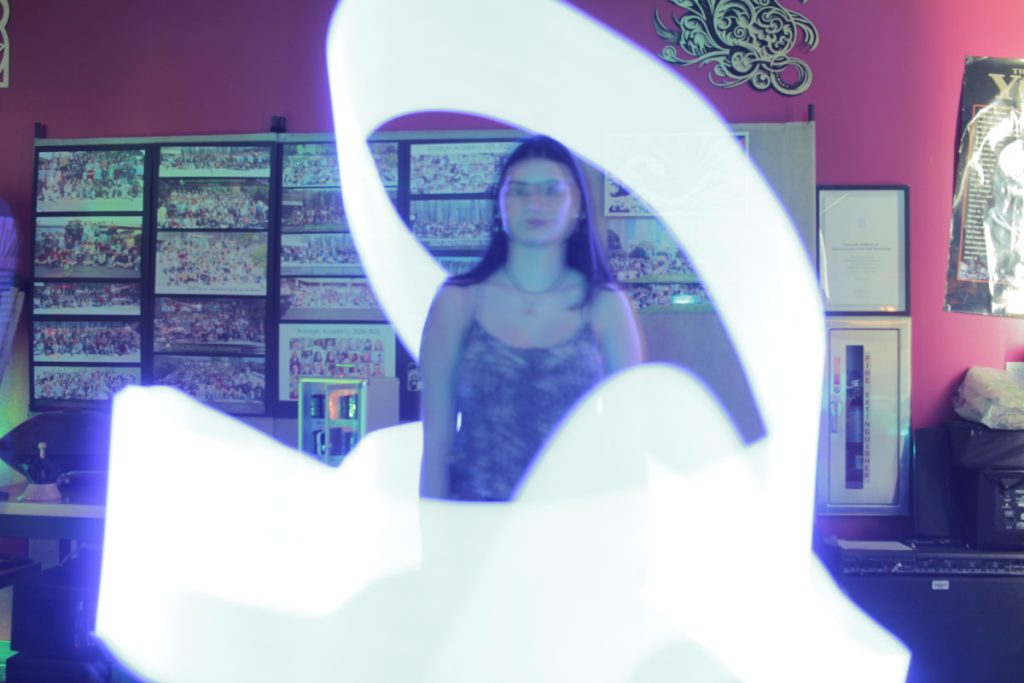

Learning how to use my DSLR has been challenging and frustrating at times, but it has also been very rewarding! My favorite part has been learning how to take long-exposure photos, because I love the effect of being able to “draw” in the image using flashlights while the camera stays focused on the light. I was extremely excited and immediately went home to practice this newfound skill, experimenting with how detailed I could draw!! The hardest part has definitely been learning how to use flash. It was a completely new concept for me, so it was tough to figure out what counted as good versus bad flash. Changing the direction, reflectors, and strength of the flash made it hard to predict how the photo would turn out. Still, I’m excited to keep using my new photography skills and continue improving so I can photograph my projects even better moving forward.
Design Conceptual Projects
The Design assignments have been highly creative and pushed me to think in unconventional ways. I value being a design student because it gives me space to explore conceptual ideas and express myself creatively.
Aplpha Name Photography
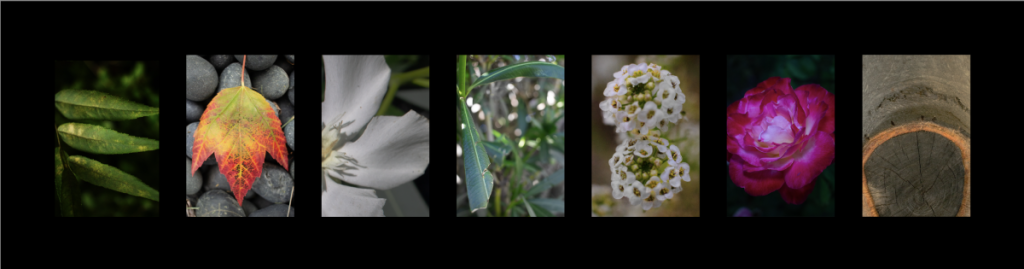
The Alpha Name project was an assignment that encouraged us to think creatively by finding our names in nature, while practicing macro photography and learning how to edit photos to enhance our images.

Conceptual Photo
The conceptual photo project was an assignment where we were given a prompt that combined an emotion and an action, and we had to represent them using objects in a metaphorical way. This challenged me to think creatively and outside the box as I searched for meaningful objects to represent grief through trying new foods.

Artist Statement: I am exploring the feeling of grief through eating new foods.
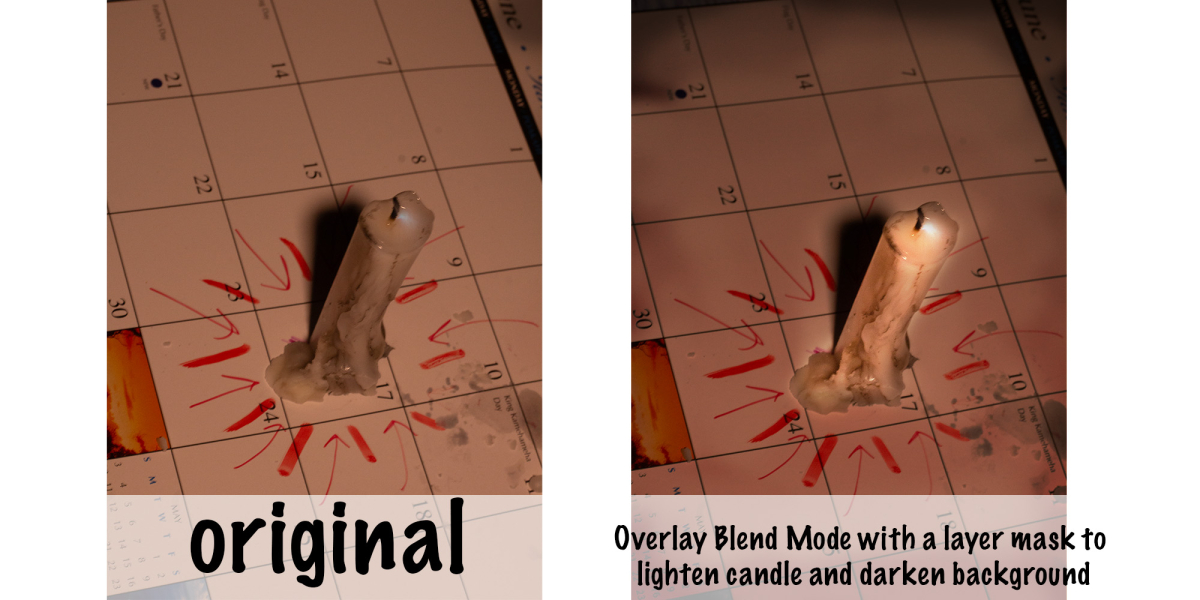
In this photograph, the melting candle represents the different stages of grief: denial, anger, bargaining, depression and acceptance. Grief looks different for everyone, and like a candle that slowly burns away it marks a process of loss. Once a candle melts it is permanently changed, its light extinguished. Yet, the photo intentionally blurs the candle reflecting how often we push past our grief and continue moving forward, even if grief is still there. This candle’s warm glow contrasts sharply with the cool calendar background, emphasizing the tension between the objects and the broader emotions they represent. This calendar shows another emotion: anticipation. Personally, I love to try new foods, and anticipate every experience. The calendar’s marked date symbolizes the feeling of anticipation for an upcoming event. The positioning of the calendar behind the blurred candle shows how anticipation can remain even through grief, while the angle enlarging the scale of the candle in comparison to the date shows how grief can feel overwhelming even when coexisting with anticipation and joy. Together these elements represent how I am exploring the feeling of grief through eating new foods.
Through this project, I learned that interesting photographs come from unexpected perspectives. My favorite photos were the ones not at eye level, but instead taken from above or below. I experimented with these techniques to make the composition more dynamic, and more effectively portray my statement. Additionally, in Photoshop I learned how to apply vignettes and adjust cooling and warming filters. I also learned how to add filters to parts of my image. To create a more exaggerated contrast in the photo, I learned how to place cooling filters on teh calendar and warm light on the calendar, especially on the flame. This taught me how subtle adjustments can transform a picture’s meaning, and emotion.


Behind the scenes of brainstorming and picking my favorite conceptual art idea
Researching Inspiration Conceptual Artists
Agnes Denes:

In 1982, world-renowned Hungarian-American artist Agnes Denes created an art piece known as Wheatfield-A Confrontation. This artist’s concept was to highlight the tension between societal development and agriculture. By juxtaposing the use of very “valuable” land in an urbanized area to grow Wheat, she called attention to mismanagement causing global waste and economic inequality. Denes states she was tired of seeing “public sculptures of men sitting on horses” and instead wanted to show a large-scale movement of nature reclaiming urban space to call attention to misplaced societal attention and address environmental and malnutrition concerns that are arising as society industrializes. https://publicdelivery.org/agnes-denes-wheatfield-confrontation/ http://www.agnesdenesstudio.com/works7.html
“Wheatfield A Confrontation” is filled with the repetition of wheat row after row for 2 acres. The location of the wheat field creates juxtaposition between the ordinary golden rows of wheatfields and the surrounding looming skyscrapers in New York (including prominent buildings such as Wall Street and the World Trade Center) on land worth $4.5 billion. This striking contrast places an emphasis on how much America has developed from an agricultural society to urban cities. The difference in scale, especially in height, between skyscrapers over 1,000 feet tall and 3-feet wheat created an imbalance between the nature and the surrounding buildings. The difference in materials- between the man made buildings made of steel, glass, and other colorful, shiny, smooth materials, and the textured golden, biological wheat- creates a lack of unity and high contrast between the two. 285 rows of wheat created 284 leading lines in between that create a sense of movement and a pattern of lines. Underneath and behind the wheat still lie the rocks and garbage from when the field was a dumping ground for the nearby corporations. This creates a stark difference in textures between the soft, inviting golden stalks and the rough, sharp pile of trash.
The history of the land as a dump site, and the pile of trash adjacent to the wheatfields, evokes a deep sense of remorse. Personally, it highlights how society has allowed waste to overtake land where land could instead support a thriving environment. The towering industrialized skyscrapers represent how our society has evolved to become a constant rush, a race for power, money, efficiency, and progress. The skyscrapers have taken over land that could instead be supporting fields is just a metaphor for how in our effort to industrialize, we have literally and figuratively built over everything in our way: we have destroyed the past in favor of industrialization. Built over culture and history, all because we want more “skyscrapers.” This piece proves society wants more power, wants more money, wants the corner office on the 100th floor and will go to any extremes to achieve it. Simply, this piece emphasises the extravagance of the height and architecture of skyscrapers by juxtaposing them with short stalks of wheat. The emphasis and attention drawn to this difference represent how, as a society, we have prioritized the wrong goals. We are building skyscrapers instead of planting wheat to help those below the poverty line. Instead of learning how to save lives from malnutrition, we’re in a race to build the tallest tower. The wheat and buildings look akin to two foreign lands being stitched together, the height difference puts into perspective the contrast between those high in society living by a glass window, never having to ground 0, and those still fighting to see the statue of liberty, to simply live the American dream starting with nothing, at elevation 0, a step behind, comparatively in the past, akin to the wheatfields.
Another interpretation can come from focusing on the Statue of Liberty compared to the wheatfield. The Statue of Liberty is a common symbol for many immigrants, my grandparents included, who believe that America promises freedom and opportunities worth traveling across the ocean for. My family traveled here to achieve success, to be in the skyscrapers, to have the opportunities to be in the top office overlooking the city. However, this artist’s piece utilizes wheatfields, a common agricultural grain from simple societies that can be found around the world, nothing novel, certainly nothing worth traveling oceans for. The field breaks the illusion of how grand, how different of a world America is, and instead proves that even America’s Biggest cities, land in proximity to the Statue of Liberty, can look ordinary, just like the past. This conceptual artwork highlights that America isn’t some great new world, but can easily be reverted to the same fields found elsewhere. However, while that can be seen as a negative, it can also be interpreted in a more optimistic light. This piece proves how even the most thrashed environment, literally used to collect trash, can still be brought back to cultivate growth and biological ecosystems. Wheatfield provides hope that if societal changes happen, the land can be utilized to grow food, saving lives at the bottom of the social ladder from starvation. Simply put, it can be seen as a metaphor that it’s not too late to turn back the clock to fix societal issues