Introduction
In the Documentary Unit at Freestyle Academy, I chose a person, place, or story from my community to research and share with others. I conducted interviews and gathered information from reliable sources to learn more about my topic. In English, I wrote a research paper that explained what I discovered. In Film, I created a documentary film that brought the story to life through interviews, visuals, and editing. This unit helped me improve my research, storytelling, filmmaking, and communication skills while sharing a meaningful story with an audience.
English Documentary – Research Paper
For our English class project, we were tasked with researching a person, place, event, or topic that interested us and transforming our findings into a magazine-style article. The goal was not only to gather information but also to uncover deeper insights that would help readers better understand a complex subject. I chose to explore Silicon Valley’s tech culture because of its enormous influence on the community where I live and because I was curious about how current events were affecting the people who work within it. More specifically, I wanted to examine how the ongoing Israel–Hamas war has impacted Jewish and Israeli professionals in the tech industry, and how conversations surrounding identity, politics, and workplace culture have evolved in recent years.
Through interviews with Israeli tech professionals and extensive research, I discovered that Silicon Valley is much more than a center for innovation and entrepreneurship. It is also a place where global events can shape professional relationships, workplace discussions, and personal identities. My article explored the differences between Israeli and American work cultures, the unique networking culture within the Israeli tech community, and the challenges some Jewish and Israeli workers have faced as public opinion surrounding the conflict has become increasingly polarized. By investigating these experiences, I gained a deeper understanding of how technology, culture, and world events intersect, and how larger political issues can have real effects on the lives of people working in Silicon Valley.
Film:
For our Film class, my partner Tristan and I decided to create a documentary about Robu Coffee, a small Vietnamese coffee shop in Mountain View. I had been a regular customer there for years, so when I learned about the documentary assignment, it immediately came to mind as a potential topic. I have always felt that Robu Coffee deserves more recognition for the quality of its food and drinks, and the welcoming atmosphere it creates for customers. As someone who had personally experienced what made the business special, I wanted to help share its story with a wider audience. Through our documentary, we interviewed the owners, learned about the challenges of running a small business, and highlighted the passion and hard work that have helped Robu Coffee become a valued part of the local community.


Mockumentary
Before beginning our documentary project, we completed a mockumentary as a practice exercise in Film class. A mockumentary is a film that imitates the style of a documentary while adding humor and exaggeration, essentially making fun of the genre in a lighthearted way. The project served as a fun introduction to the documentary-making process and gave us a chance to learn the basics before taking on a more serious production. We practiced conducting interviews, filming various shot types, and editing footage together while maintaining a humorous, entertaining tone. Most of the content involved classmates interviewing one another, joking around, and creating silly stories. Although it was primarily a comedy project, the experience helped us understand the planning, filming, and storytelling techniques required to create an effective documentary. By the time we started our actual documentary, we had already gained valuable experience and felt much more comfortable with the production process.
Digital Media
For digital media, I decided to do a two-page cover spread on a past freestyle alum, who also happens to be my big brother, Yhali Sheba. In this interview, we really break down how freestyle influenced his high school path and how it led to his success in his future endeavors.
Interviewees:
Amir Fish
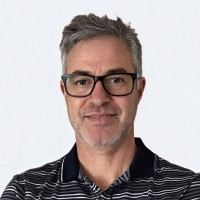
Noam Kedem

I was so lucky and blessed to interview two geniuses who have worked in the Silicon Valley tech space for over 20 years each.
Transcript of the Interview:
Through conducting these interviews, I learned what it really means to ask thoughtful, hard-hitting questions and uncover the deeper story beneath the surface. Before this project, I viewed interviews mostly as a way to gather information, but I quickly realized that the most meaningful insights often come from asking follow-up questions and allowing conversations to develop naturally. I learned that every person has experiences, motivations, and perspectives that are not immediately obvious, and it takes curiosity and careful listening to uncover them. As I spoke with my interview subjects, I found myself becoming less focused on simply collecting answers and more focused on understanding the people behind those answers. This experience taught me that strong storytelling is not just about presenting facts; it is about discovering the human stories, emotions, and experiences that give those facts meaning.
Reflection:
Looking back on the Documentary Unit, I value how it pushed me to tell stories through multiple forms of media and challenged me to develop skills that I had never used together before. In English, I researched Silicon Valley tech culture and wrote a magazine article that explored the experiences and perspectives of people working in the industry. In Digital Media, I created a two-page spread featuring a Freestyle Academy alumnus who is also my brother, which gave me the opportunity to combine design, writing, and visual storytelling while learning more about his experiences after Freestyle. In Film, my partner Tristan and I produced a documentary about Robu Coffee, a local Vietnamese coffee shop in Mountain View that I have been visiting for years. Although each project focused on a different subject, they all shared the common goal of telling meaningful stories and helping me better understand the people and communities around me.
What I am most proud of is how much I grew as a storyteller throughout the process. Conducting interviews taught me that the most interesting information often comes from asking thoughtful follow-up questions and being willing to explore topics beyond the surface level. I learned that every person has a unique story, and it takes patience, curiosity, and careful listening to uncover it. Creating the documentary was especially rewarding because it allowed me to highlight a local business that I genuinely care about and share its story with others. Overall, this project strengthened my abilities as a writer, designer, interviewer, and filmmaker, while teaching me the importance of empathy, communication, and looking beyond first impressions to discover the deeper story underneath.
Thank you to….
I would like to thank Amir Fish, Noam Kedem, and my brother for their support and help throughout this project. Their time, honesty, and willingness to share their experiences gave me the material and inspiration I needed to create meaningful pieces of art. I also want to thank Freestyle Academy, Mr. Flo, Mr. Greco, and Mr. Taylor for guiding me through this process and helping me grow as a writer, designer, and filmmaker. Their support pushed me to take my ideas further and create work that I am genuinely proud of.