The negative space in this photo is the entire wall on the top 2/3 of the image. The white space, creates emphasis on the bike in the bottom area. The negative space is this photo create drama and highlights the effect of sadness that the black and white filter gives.
The image shows a single light positioned in the center, surrounded by darkness. With no other objects or sources of light nearby, the glow stands alone, drawing all attention to its isolation. The emptiness around it feels vast and silent, making the light seem small and distant despite being the focal point. This stark contrast between brightness and darkness creates a strong sense of loneliness, as if the light is cut off from everything else. It appears to exist in its own separate space, reflecting the feeling of being alone with no connection or companionship.
The quiet, empty garage at night represents an ending—something has been left behind, and the stillness reflects that pause. Within this darkness, the single light turning on breaks the cycle, symbolizing the shift where one phase ends and another begins. The light itself becomes the clearest sign of a new beginning, suggesting hope, renewal, and the idea that even in forgotten or silent spaces, something new can start again.
This photograph, taken at the Monterey Bay Aquarium, captures a fish moving gracefully through water, highlighting the beauty of water as a photographic subject. The clarity and movement of the water create a sense of calm and fluidity, while the way light filters through enhances its depth and texture. Rather than focusing on the water as a background element, this image emphasizes how water itself becomes part of the composition, shaping mood and movement. The interaction between the fish and its environment showcases water as a dynamic and visually captivating element, reinforcing its natural beauty.
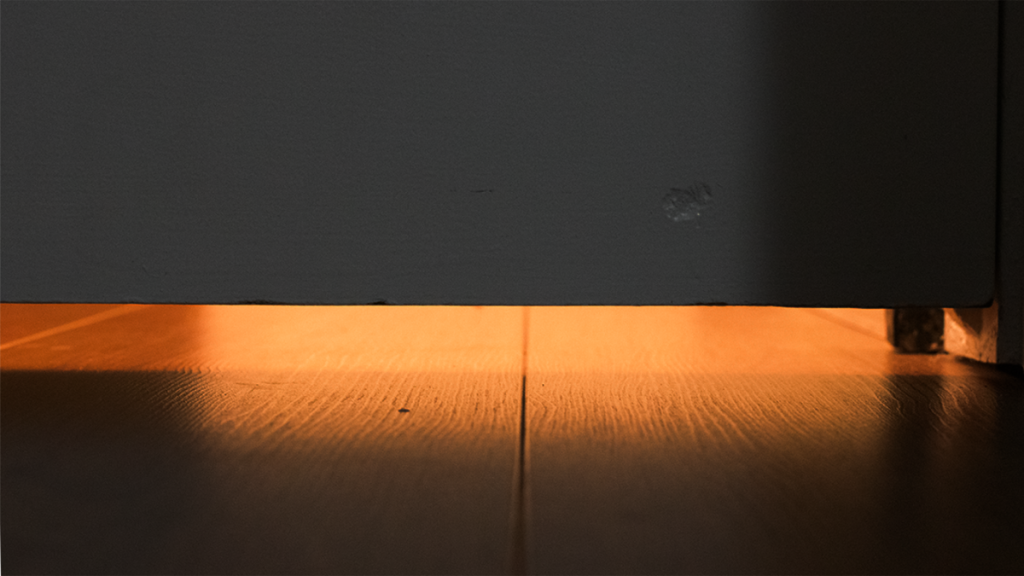
This image features a thin line of light spilling from beneath a closed door, creating a strong visual line along the floor. Rather than using leading lines to guide the viewer toward a specific object or create depth, the line of light suggests the idea of infinity. As the line extends beyond the viewer’s eyes into the light, it feels endless, symbolizing something unknown or limitless beyond the door. The contrast between the dark surrounding space and the line enhances this effect, making the light feel continuous and infinite rather than confined.
Before White Balance Editing 50mm 1/60 F6.6 ISO 200 ShadowAfter White Balance Editing, higher White
Although not realistic, this editing of the white balance in Photoshop gives the photo a more intresting look to it, this prompt was to use white balance to alter the photo’s look, in a non-realistic way. I achieved this because either of these photos is realistic, but the alteration in white balance gives the photo more contrast in a unique way.
The prompt was to show symmetry in landscape. This photo was taken in Tahoe. There are two attempts at symmetry in this photo: the first is the reflection of the trees on the water, reflecting over the horizontal axis. As well as the symmetry of the two sides of the trees over the vertical aspects,
This photograph explores the concept of visual mass through the use of a single ornament as the main subject. Although the ornament is physically small and lightweight, its reflective surface, bold shape, and placement within the frame give it a strong visual presence. By isolating the ornament and controlling the surrounding negative space, I emphasized how an object can feel heavy or dominant based on composition rather than size.
The lighting and angle were intentionally chosen to draw attention to the ornament’s form and surface details, allowing it to visually anchor the image. The contrast between the ornament and its background enhances its perceived weight, making it appear more substantial than it actually is. This piece demonstrates how visual mass is created through balance, contrast, and focus, showing that an object does not need physical weight to command attention within a composition.
This photo uses the rule of thirds to emphasize motion and guide the viewer’s eye through the frame. The fountain drain is placed off-center, allowing the water’s movement to feel more dynamic and natural rather than static. By capturing the water mid-motion, the image tells a small story of energy and flow, showing how the water interacts with the surrounding space instead of existing as a fixed object.
During the process, the framing to catch the water at a moment where the motion felt alive and balanced within the composition. Experimenting with different angles helped me understand how placement affects the feeling of movement. This photo inspired me to be more patient and intentional, and it showed me how composition choices like the rule of thirds can make motion feel more expressive and engaging.
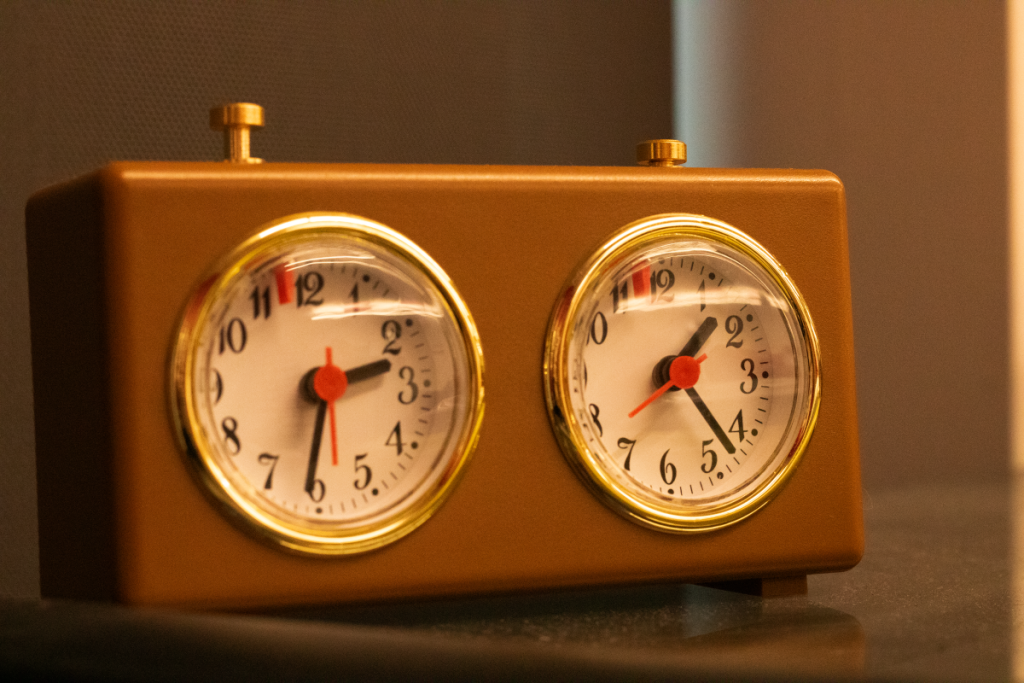
The goal of this photo was to tell a quiet story about the mood I was in – stressed and rushed. By photographing a clock, I used a simple subject to represent structure and reflection. The composition centers the clock to emphasize its importance, letting it symbolize routine, pressure, and the rushed movement of time. The image encourages the viewer to pause and think about how time shapes our emotions and daily mindset.
Personally, this photo reflects how I was feeling during the process: aware of responsibilities but also trying to stay grounded. Taking the photo made me slow down and notice something ordinary that we often ignore. The process reminded me that even simple objects can carry meaning and inspiration when connected to a feeling or moment in time.