Introduction
For the Conceptual Project, we were asked to explore abstract thinking and creative expression to answer the question: “How can I use unconventional forms to express myself?” This project encourages us, students, to take artistic risks through media such as poetry, music, visual art, animation, experimental film, and web production, pushing them to communicate ideas through a unique personal style. We also began building technical communication skills by learning to work with professional tools and software, including DSLR cameras, Tascam audio recorders, Adobe Photoshop, Animate, Premiere Pro, After Effects, Audition, Avid Pro Tools, WordPress, and Google Apps.
This unit pushed me to explore and express my ideas in more abstract ways. In English, I reflected on art by sharing my first impressions and personal reactions, without worrying about the artist’s intentions. In Digital Media, I learned to use Adobe Premiere Pro to turn my reflection into a video, adding a new visual dimension to my ideas. Creating a parody song also challenged me to step out of my comfort zone, as I adapted and performed a published song for the first time. Overall, this unit helped me experiment with forms of self-expression I had never tried before.
Art Reflection
Art Reflection Introduction
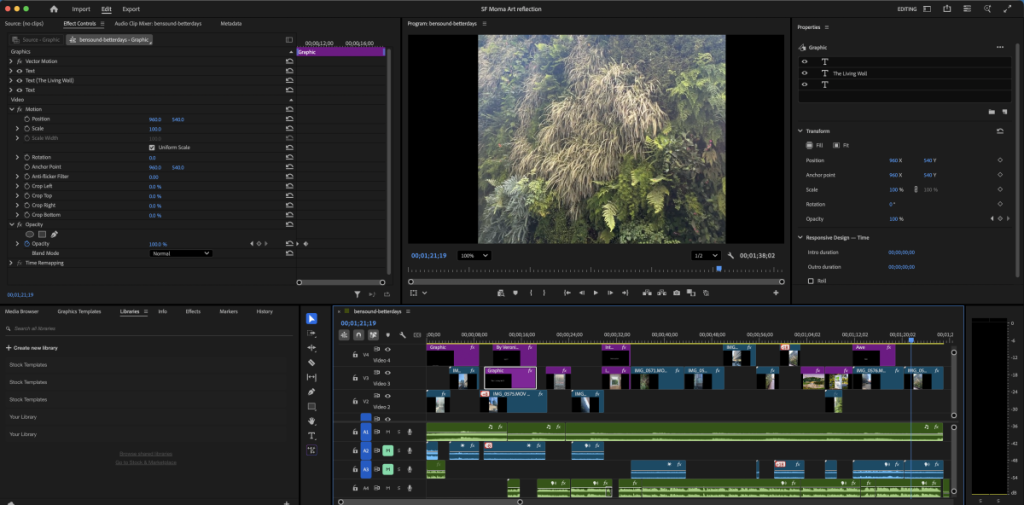
This project began with a field trip to the San Francisco Museum of Modern Art (SFMOMA), where we were asked to choose a work of art that stood out to us—whether a painting, sculpture, video, or audio piece—and record our initial perceptions. In English class, we turned those observations into a short reflection, focusing on how the artwork inspired awe or shifted the way we see the world. In Digital Media, we used Adobe Premiere Pro to transform our reflections into Art Reflection videos, learning techniques like keyframing, transitions, and audio adjustments. This process allowed us to express our interpretations of art through both visual and auditory storytelling.
Takeaways
What I appreciated most about this Art Reflection Project was the opportunity to express my personal perceptions of art through video. In English, I learned how to convey my feelings of awe toward a piece of artwork in a concise paragraph. In Digital Media, I gained foundational skills in Adobe Premiere Pro, including importing footage, using fonts and text effects, and keyframing. Learning these techniques not only helped me complete this project but also gave me tools I can use confidently in future creative work.
Parody Song Production
Parody Song Introduction
For the Parody Song Project, we were asked to pick a topic and create our own version of an existing song. This project pushed me far outside of my comfort zone, as making, singing, and recording a parody was entirely new to me. I initially struggled because I’m not used to singing and had difficulty choosing a song. However, after Mr. Flo reminded us that parody songs often work best when they don’t sound perfect, I felt more confident to record. By the end, I felt proud of what I had accomplished and realized the project wasn’t as intimidating as I had expected, even if it felt a little silly at times.
Parody Song
▶ Chipped Mug
⏸ Chipped Mug
Process and Artist Statement
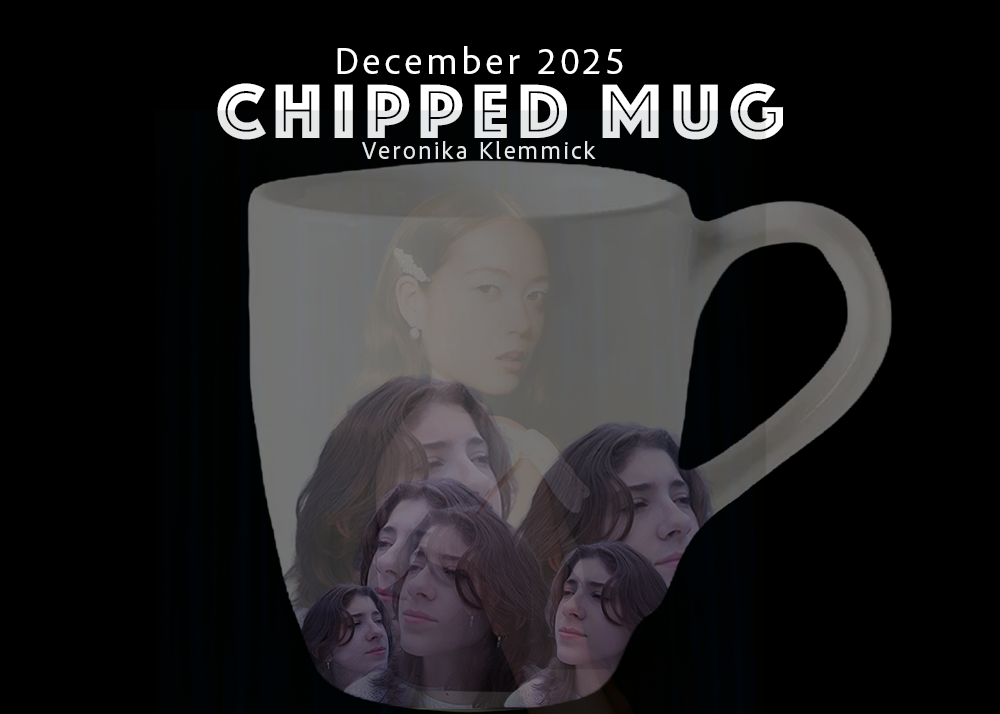
For my Parody Song, It was based on the song My Love Mine all Mine by Mitski, I chose this song because its a song ive been really liking recently. I created an original piece inspired by everyday objects and emotions, with the lyrics focusing on the intimate yet chaotic relationship I have with a chipped coffee mug. I chose this concept to explore how ordinary things like a coffee mug can hold meaning, memories, and a strange kind of comfort, much like a relationship.
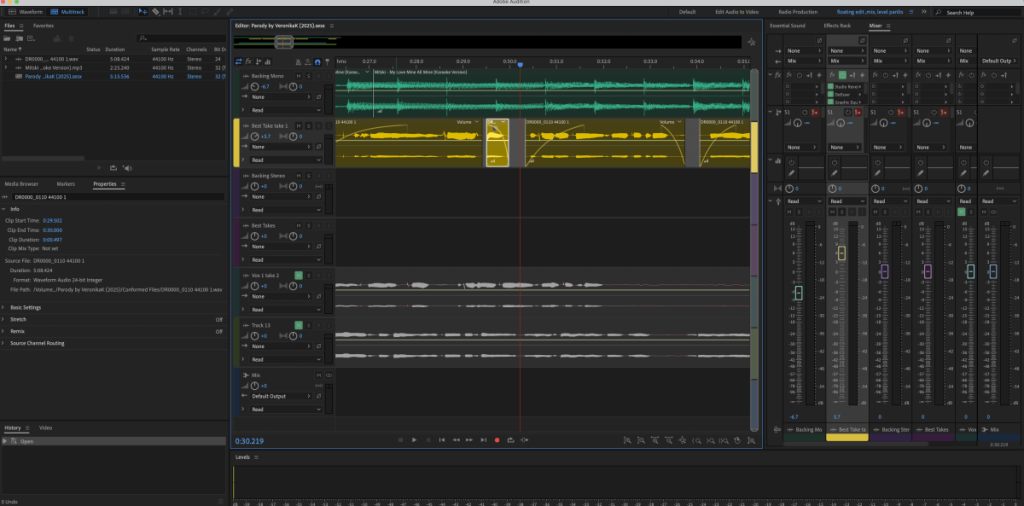
The production process involved several key steps. I began by writing the lyrics, experimenting with imagery that captures both humor and sentiment. Then, I recorded the vocals and worked on layering them with background music and effects, using software to edit timing, volume, and emphasis. I valued the freedom of being able to experiment with my voice, even though I’m not a trained singer, and appreciated learning how sound and lyrics can combine to tell a story.
The lyrics reflect a personal narrative of attachment, imperfection, and acceptance. Lines like “Cracked at the edge, still somehow fine” highlight the beauty in flaws, both in objects and in ourselves. I’m most proud of how I was able to translate these small, personal moments into a song that communicates humor, vulnerability, and honesty. This project taught me that self-expression can come from the simplest sources, and that embracing imperfection often makes art more relatable and meaningful.
Parody Lyrics
You sit there chipped on my desk,
Half full of cold coffee and regrets,
I say ill wash you, but I never do
Guess I like the mess that reminds me of you
Youve seen my mornings fall apart
Youve held my chaos like its art
Your mine, not mine
Ceramic shrine
Cracked at the edge, still somehow fine
Your yours not ours
You blur the line
Your mine, not mine
Behind the Scenes
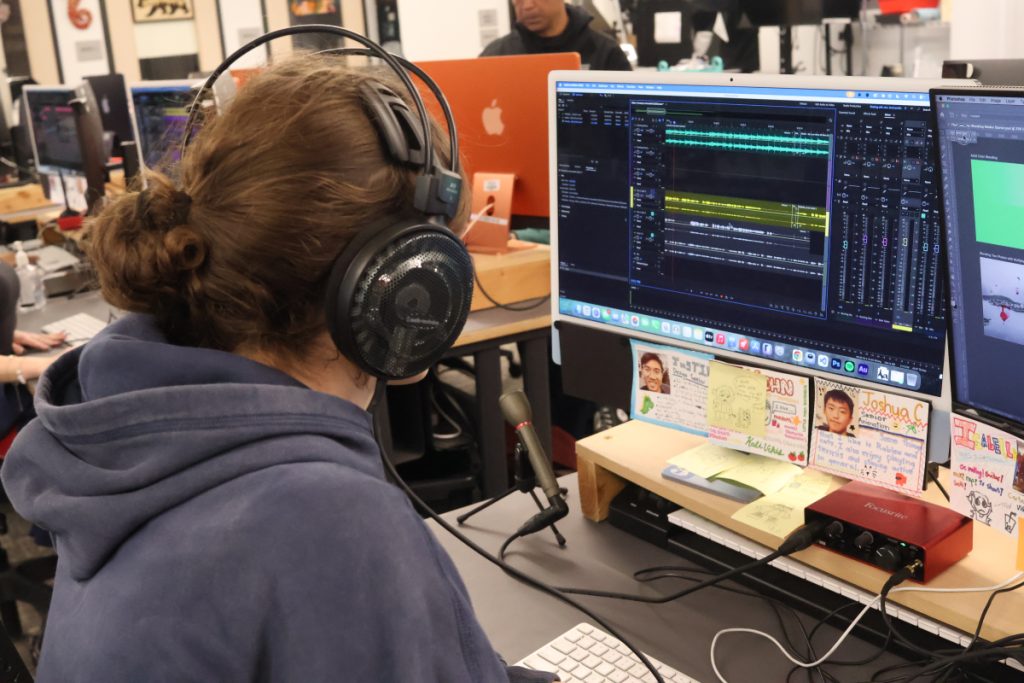
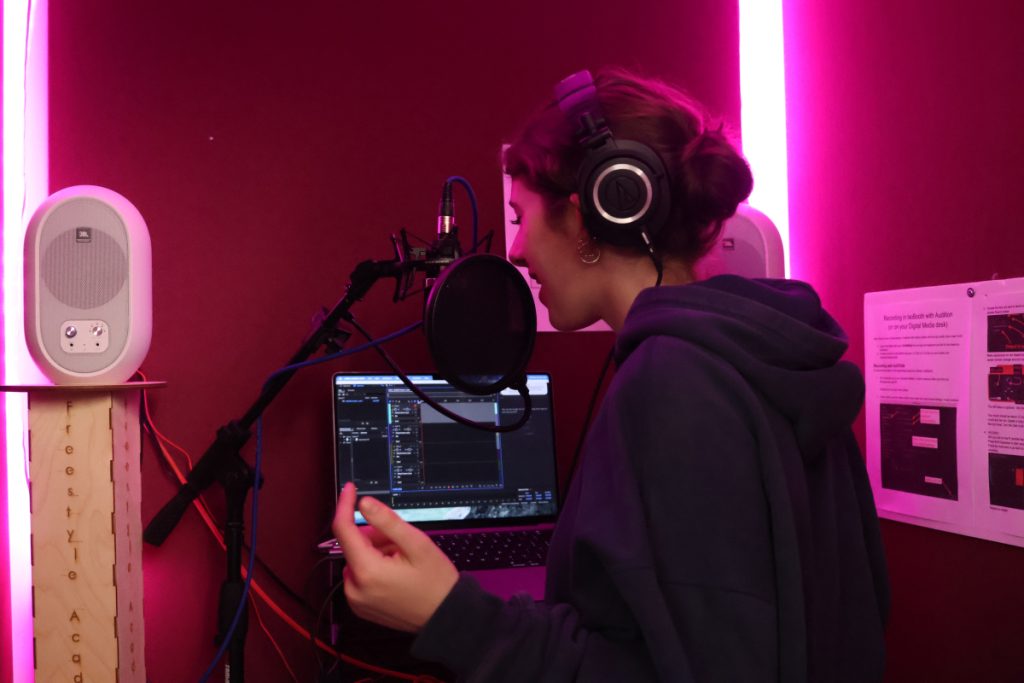
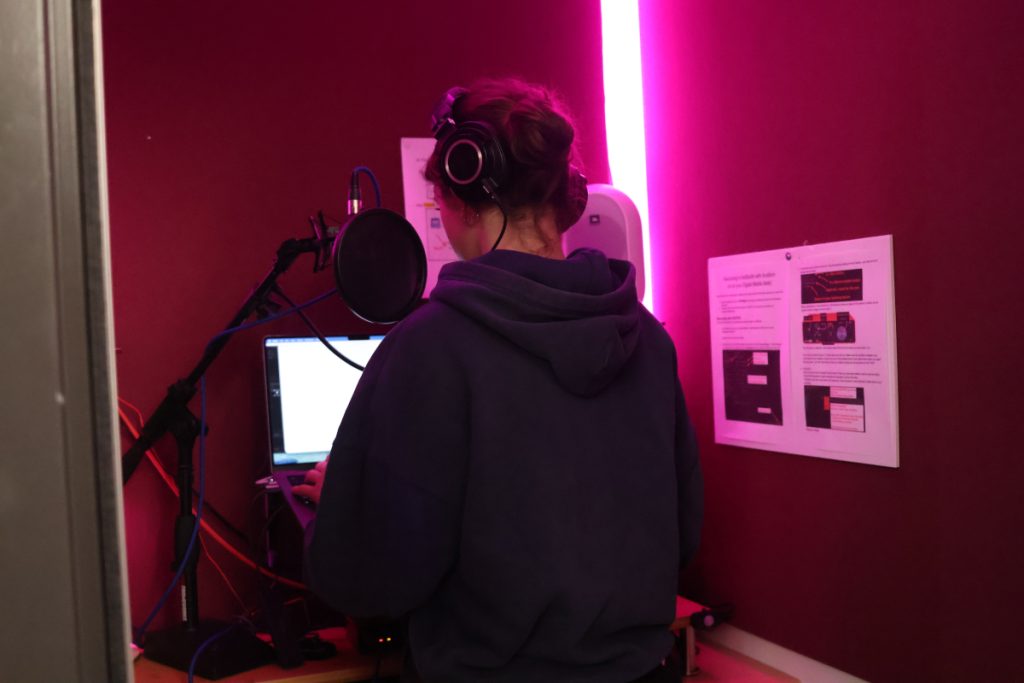
Takeaways
Honestly, I was really nervous to sing my parody at first, but this experience taught me that your voice doesn’t need to be perfect. In fact, as Mr. Flo said, parody songs often work better when your voice is a little “off,” which actually makes it funnier. By the end of the project, I was proud to create my own version of a popular song.
Photoshop Blend Modes
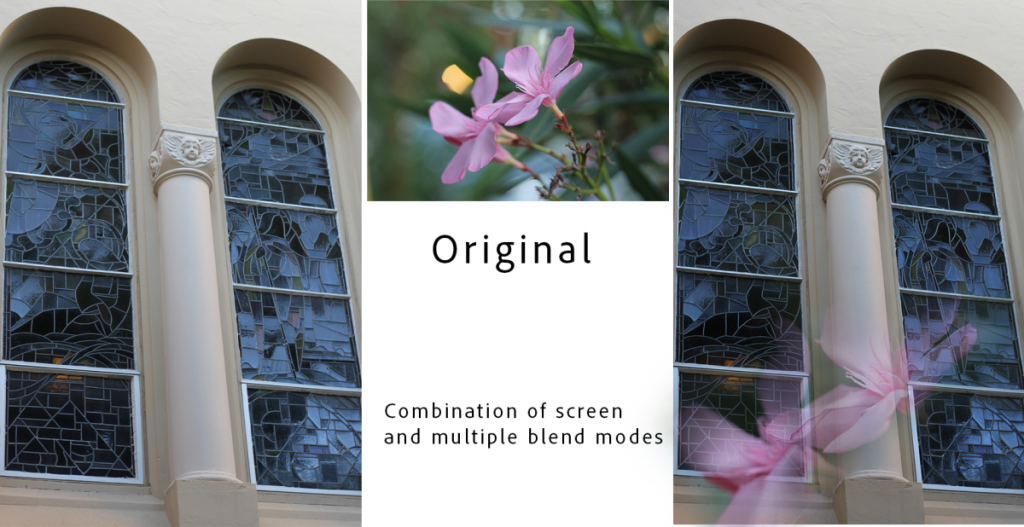
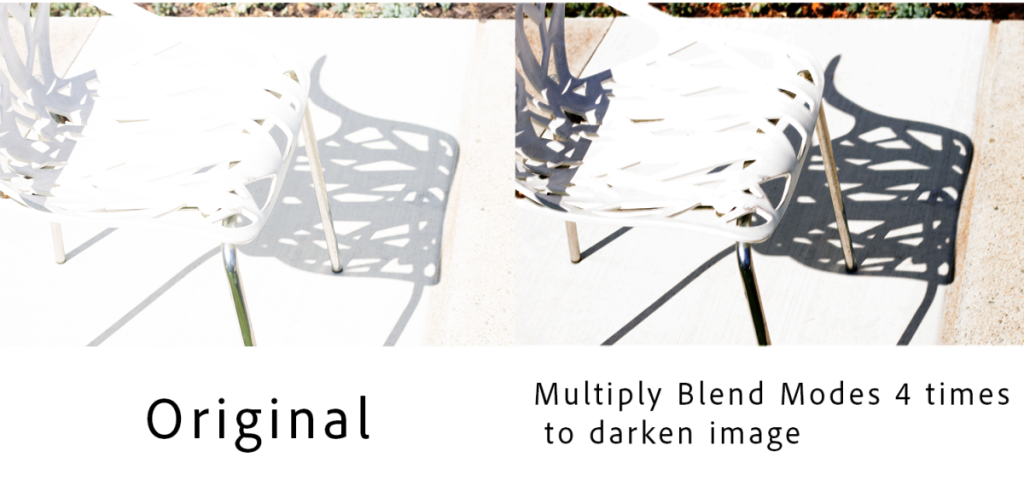
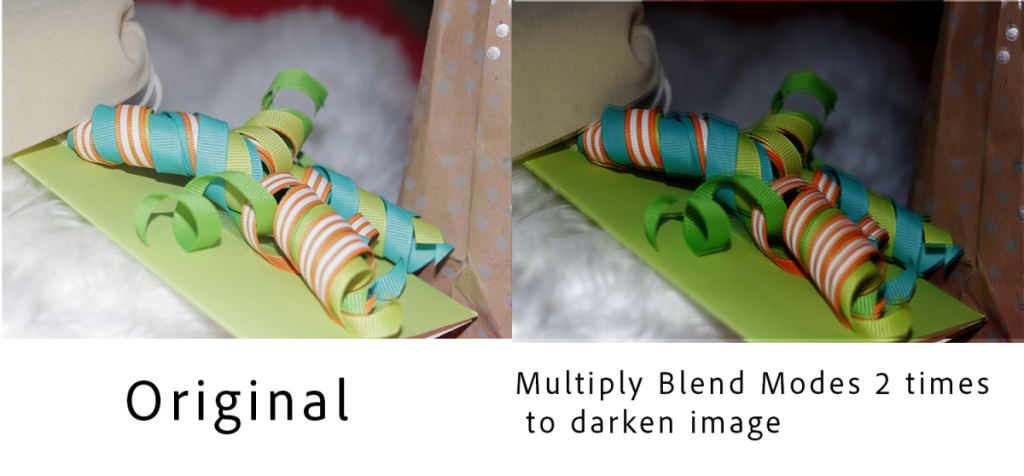
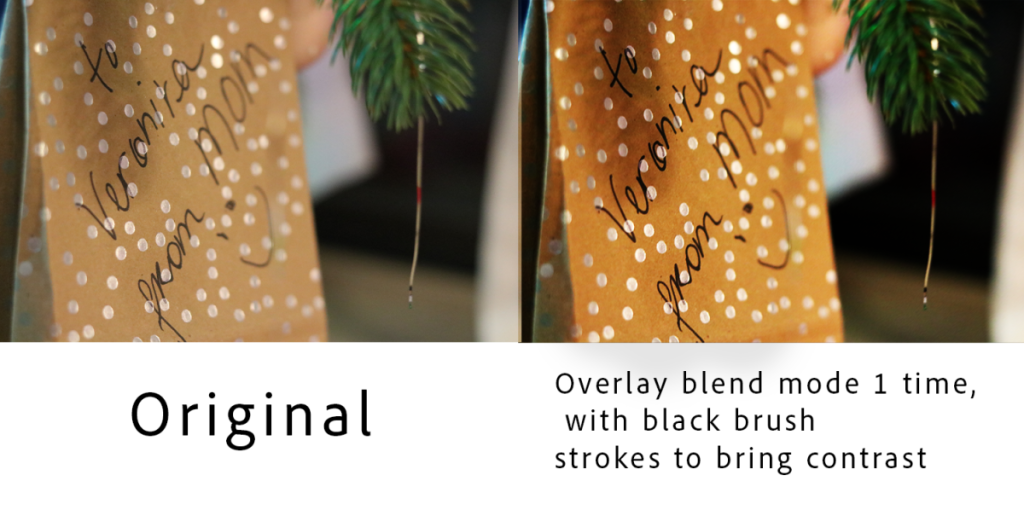
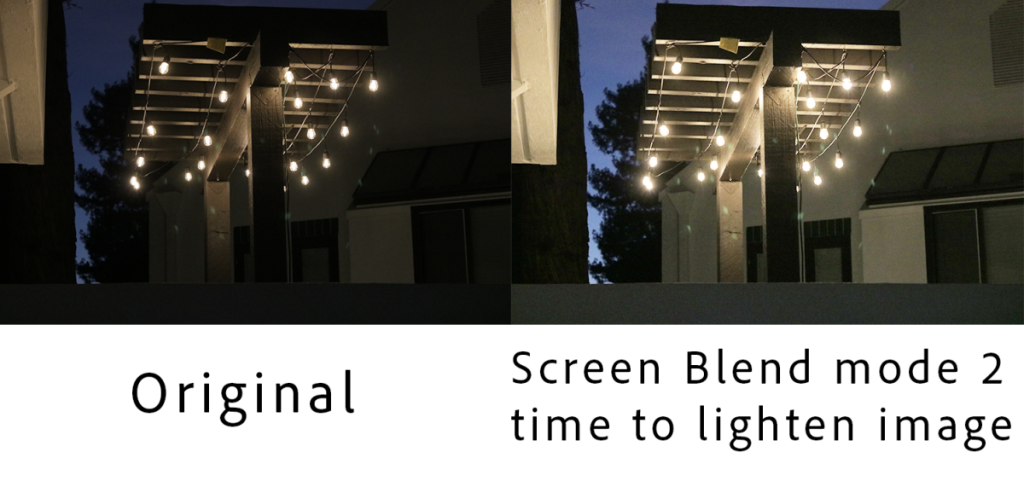
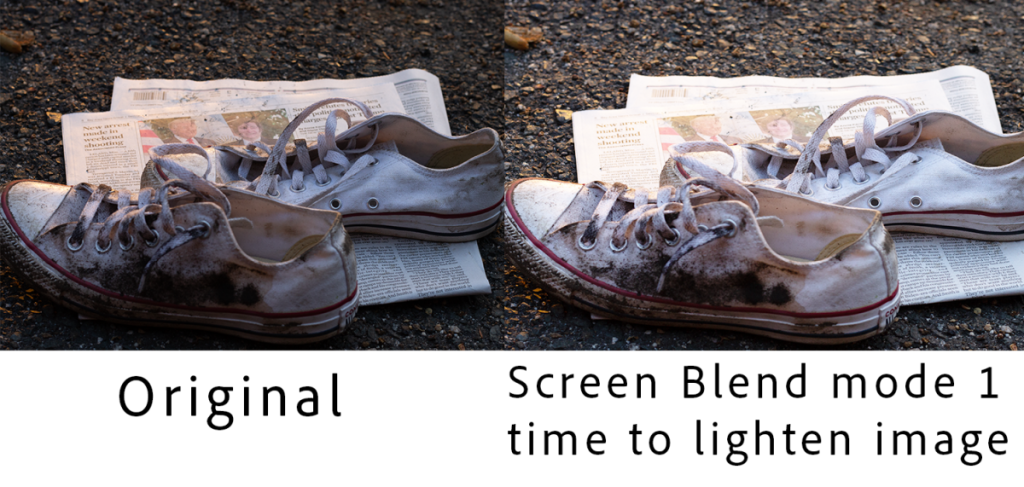
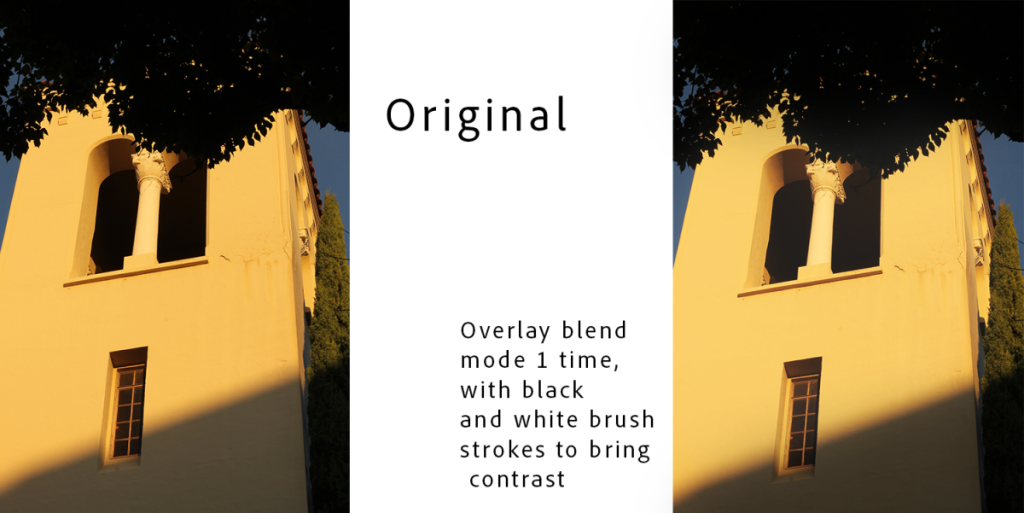
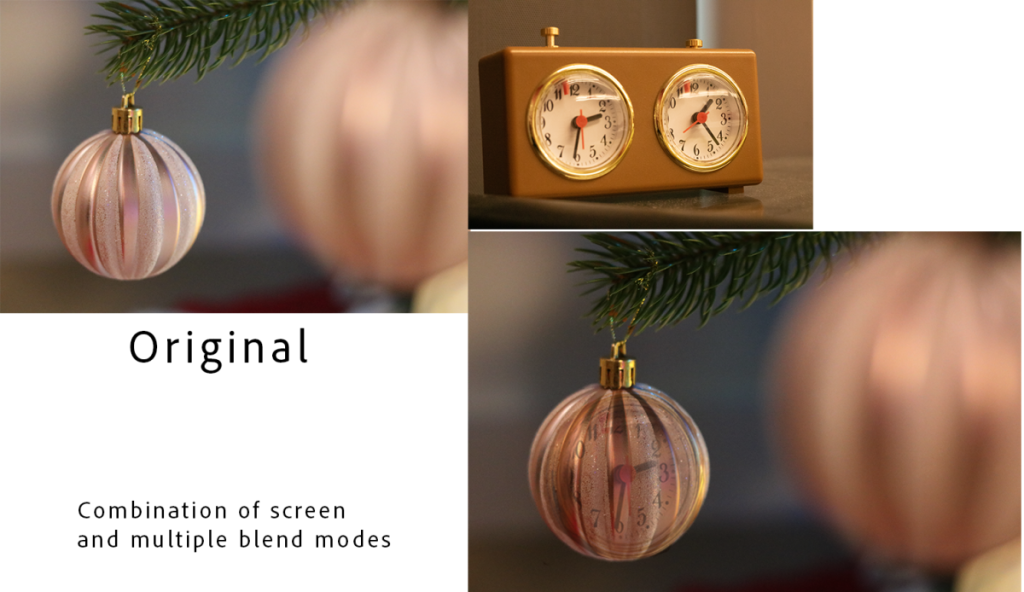
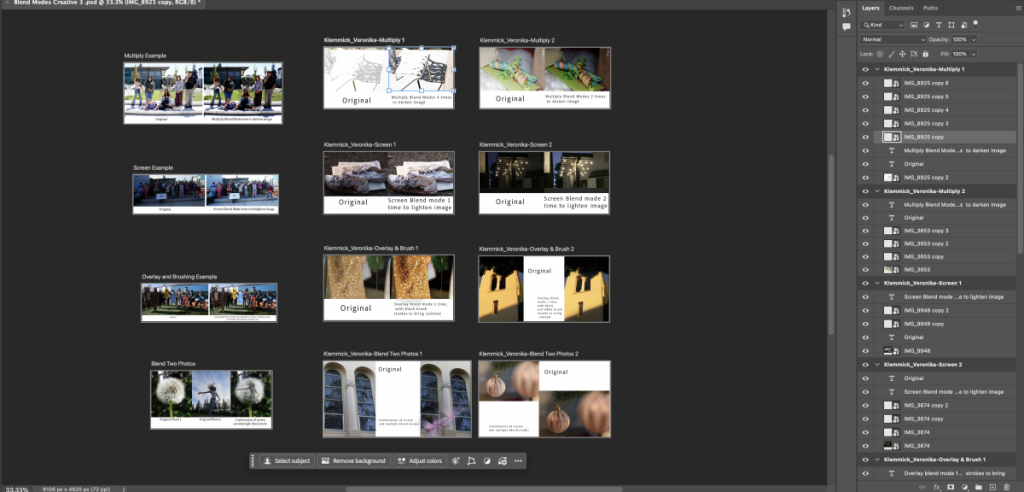
Our goal in the Photoshop Blend Modes assignment was to learn editing and manipulating images, because it is an incredibly powerful way to express your ideas visually, complementing the words you write. Photoshop is one of the most popular tools for photo editing, but many other applications offer similar capabilities. While the interfaces may differ, the core concepts remain the same: once you understand what’s possible in image editing, it’s simply a matter of learning where the tools are in your chosen program to bring your creative vision to life.
Our first assignment was to create a freestyle magazine with us on the cover, to do this I had to learn the basics of how to use photosop and photo editing software.
What I value most about learning Photoshop Blend Modes is how they allow me to combine images in creative and unexpected ways. Blend Modes help transform ordinary photos into something more expressive by changing how layers interact with each other. They gave me more control over mood, lighting, and texture, which helped me communicate ideas visually instead of relying only on words.I see myself using these Photoshop skills in future creative projects such as digital art, photo edits, and visual storytelling. Knowing how to use Blend Modes will help me enhance images, create unique effects, and better express emotions or themes. These skills also give me more confidence to experiment and take creative risks when working on visual projects.
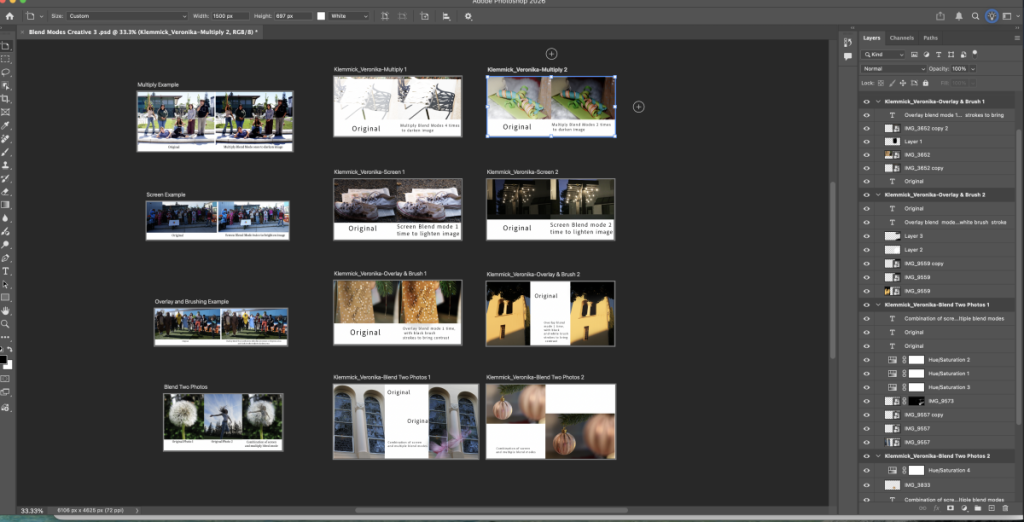
DSLR PHOTOS
This section showcases a series of DSLR practice sessions completed in Digital Media to explore how different camera modes and settings influence the final image. Through hands-on experimentation with Av mode, Tv mode, P-mode, flash techniques, ISO adjustments, and white balance, the goal was to move beyond automatic shooting and gain intentional control over exposure, depth of field, motion, lighting, and color. Each practice focuses on a specific technical skill while also emphasizing how these choices affect mood, clarity, and visual storytelling, demonstrating growth in both camera knowledge and creative decision-making.
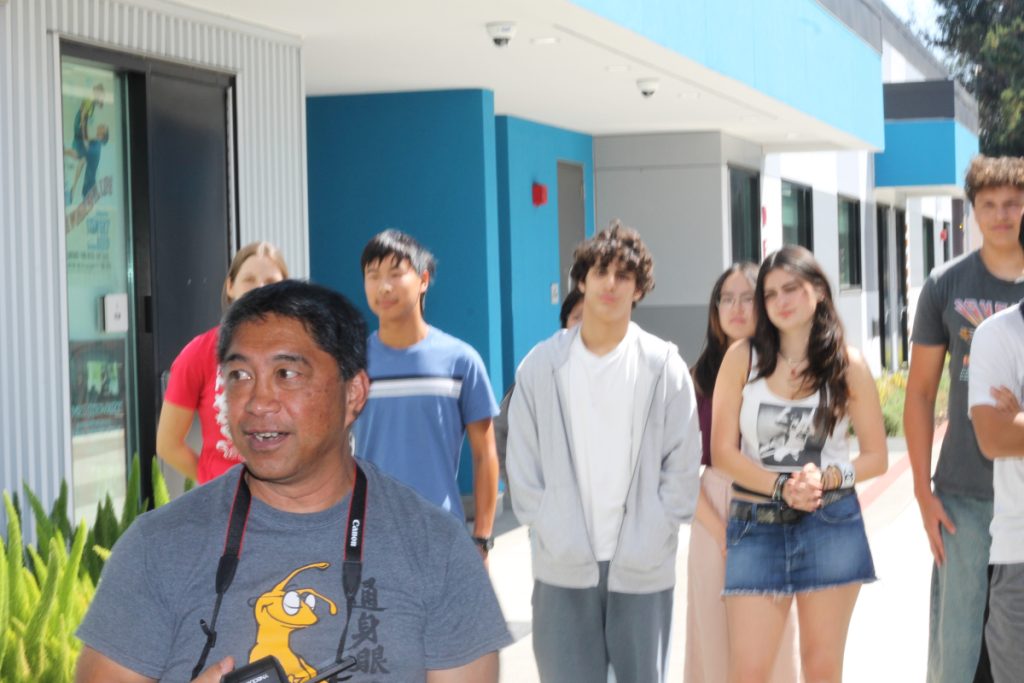
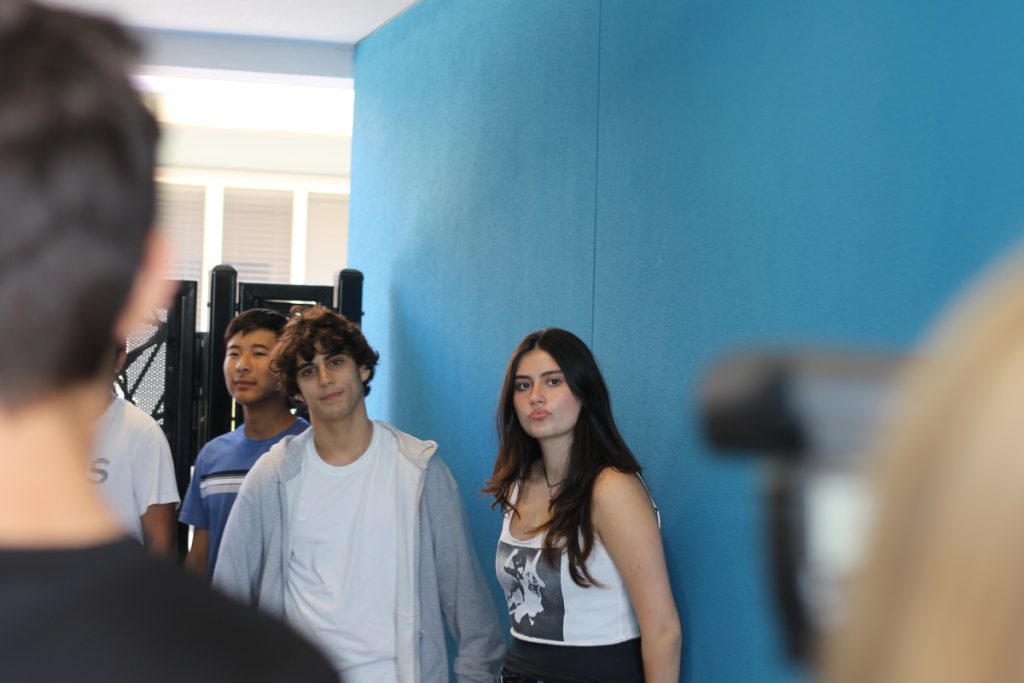
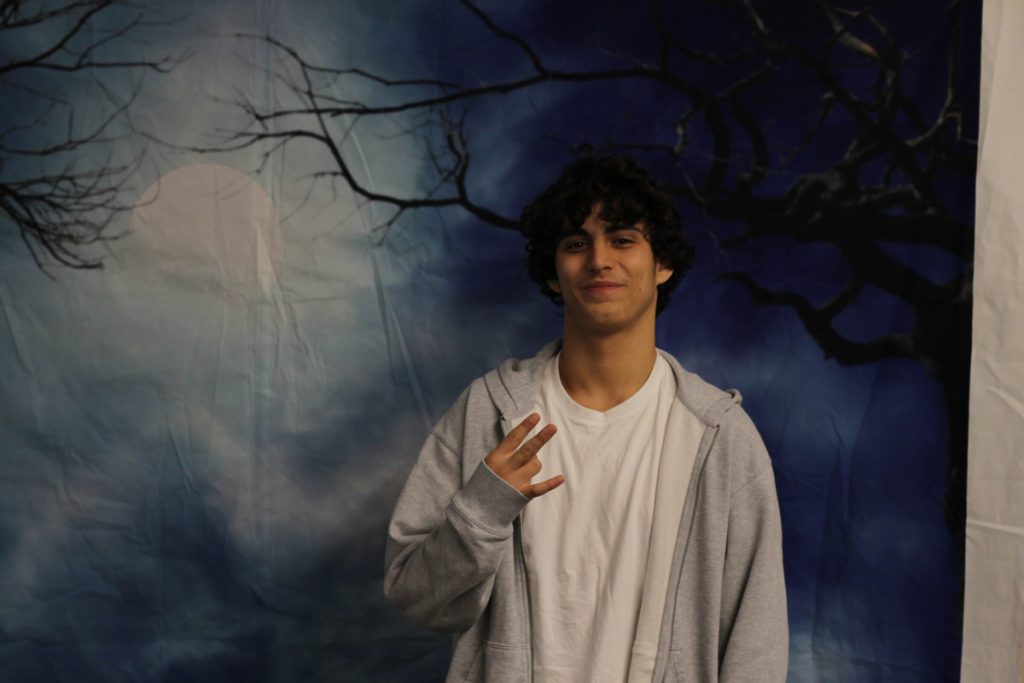
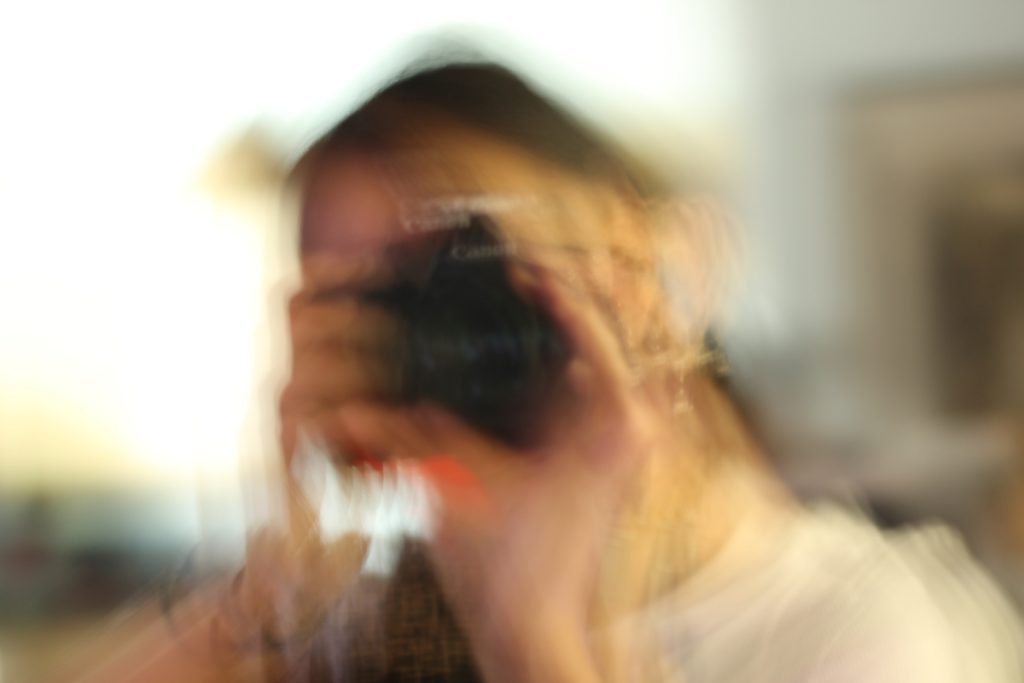
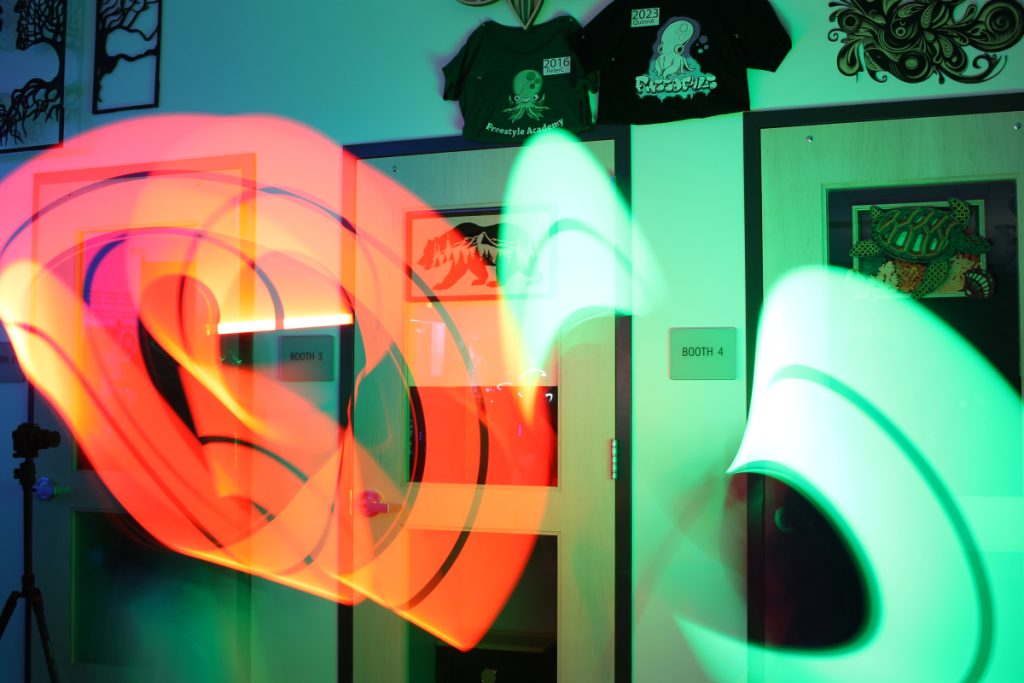
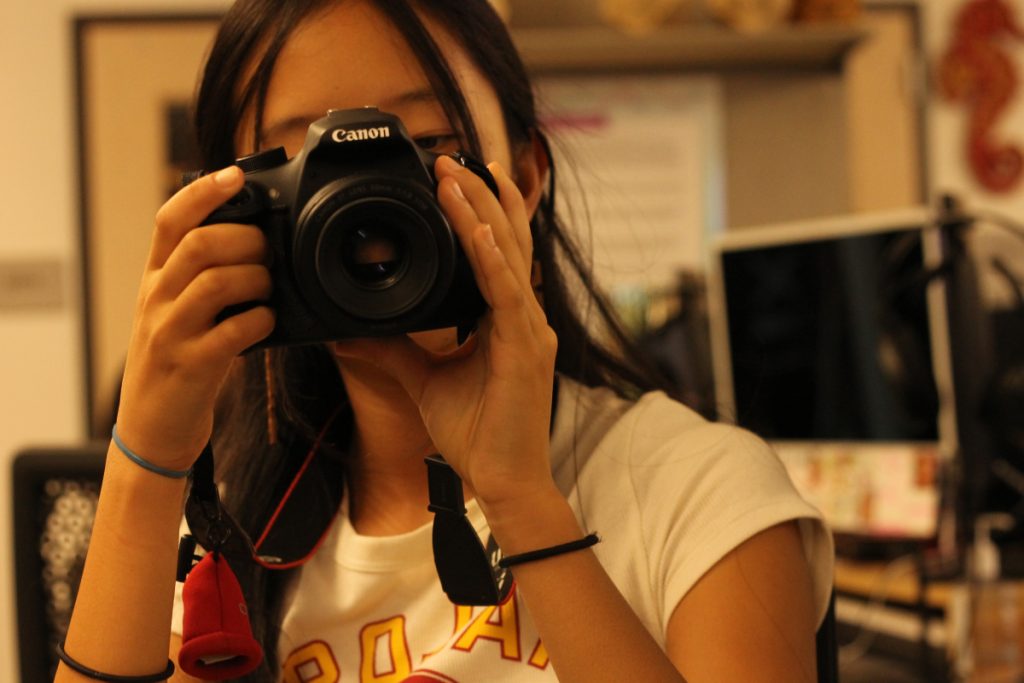
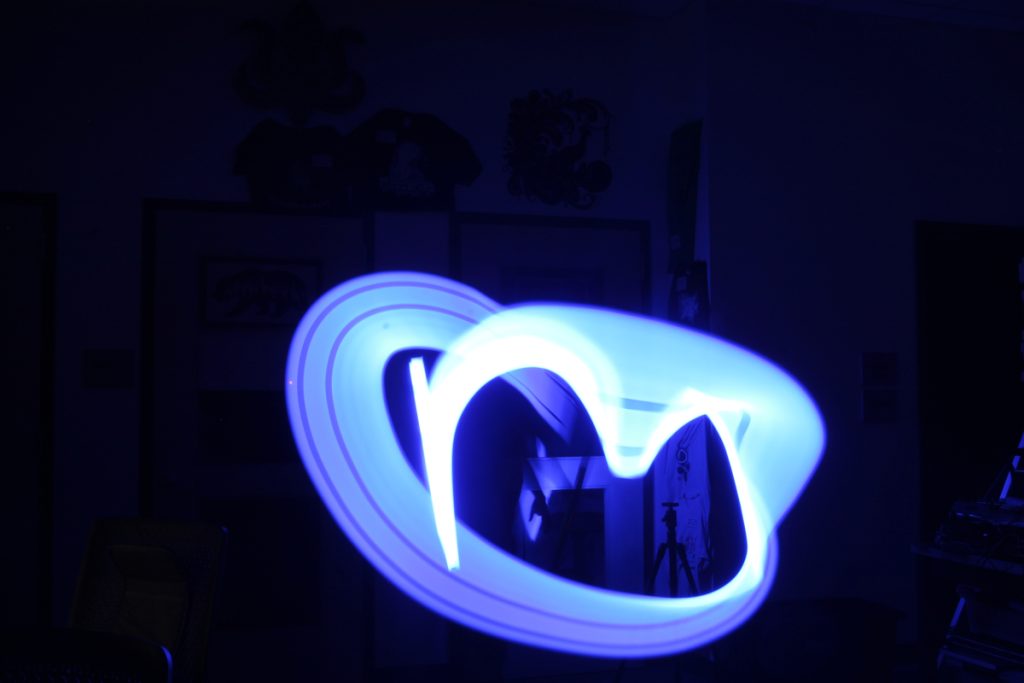
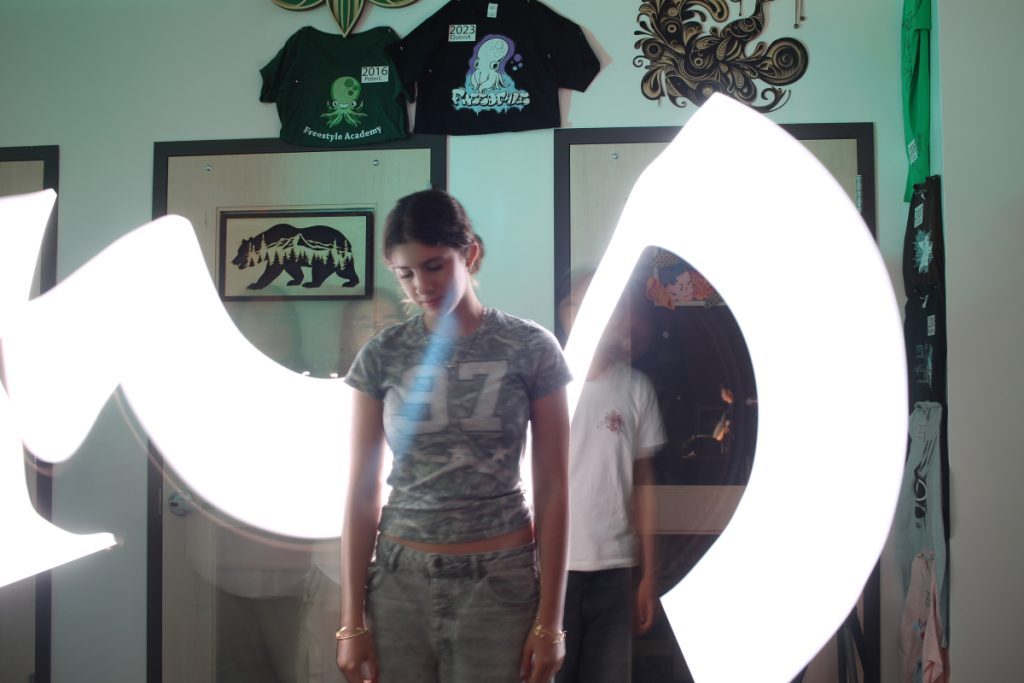
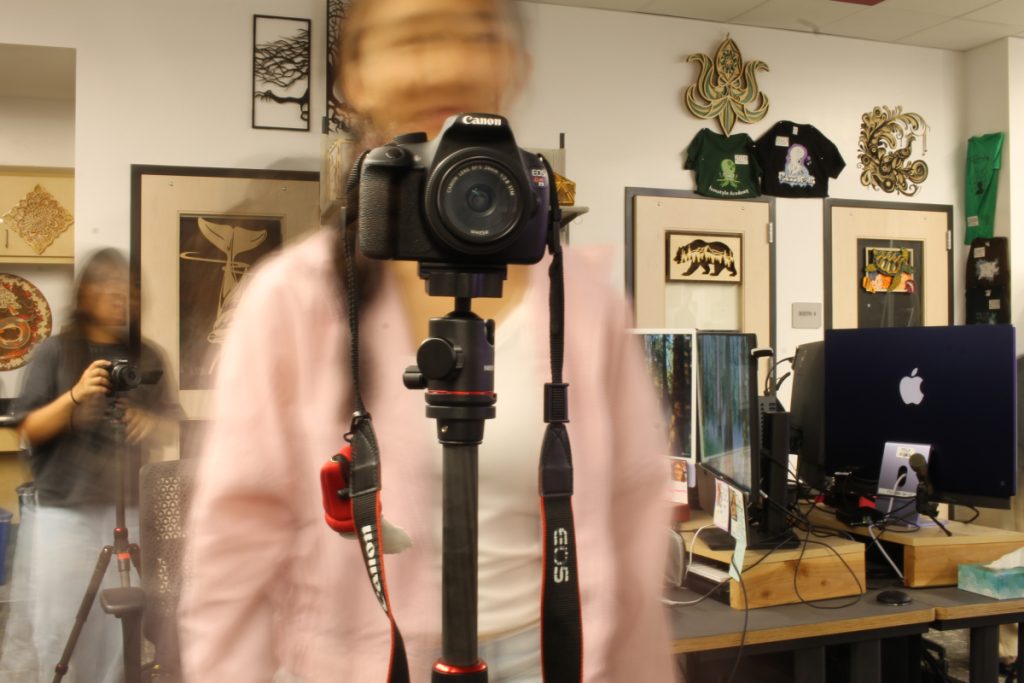
Learning to use my DSLR pushed me to stop relying on automatic settings and actually understand how each choice affects my photos. Using Av mode helped me see how shallow depth of field can isolate a subject and create emotion, while deep depth of field made images feel more detailed and intentional, especially in landscapes. Tv mode during long-exposure night photography was challenging but rewarding; it taught me patience and how motion and light trails can completely change the mood of an image. Practicing flash with portraits in front of backdrops made me more aware of harsh versus soft light and how lighting placement affects skin tone and shadows. Shooting in P-mode while changing ISO helped me understand the balance between brightness and grain, and how higher ISO can solve lighting issues but also reduce image quality. Finally, altering white balance showed me how color temperature impacts realism and emotion, and how correcting it can make a photo feel natural instead of artificial. Overall, this experience made me more confident and intentional as a photographer, and I now feel more in control of my camera rather than letting it control the image.
Design
Design Introduction
So, what actually happens in Design class? Simply put, we create. More specifically, we focus on understanding how visual compositions work by applying elements like the color wheel, rule of thirds, line, form, texture, and shape. Much like Digital Media, we use industry-standard programs such as Adobe Photoshop, Adobe Illustrator, and Camera Raw to bring our ideas to life. The overall purpose of Design is to learn how to create visuals that are not only eye-catching but also effective at communicating a message.
During the Conceptual unit, we concentrated on building a foundation in these design principles while also experimenting with abstract and expressive photography. Some of the most memorable projects included a black-and-white name photograph and a conceptual self-portrait. These assignments challenged us to think symbolically and use composition to convey emotion and meaning rather than relying on literal representation.
Being a Design student is something I genuinely enjoy because it teaches real-world skills that apply beyond the classroom. In professional settings, designers are often needed to create logos, posters, and other visual materials that connect with an audience. What makes design especially interesting is that it exists everywhere—from furniture and technology to advertisements and websites. Even as artificial intelligence becomes more involved in creative fields, human-made design remains valuable because it carries originality, intention, and emotional understanding that technology cannot fully replicate.
Alpha Name Photography
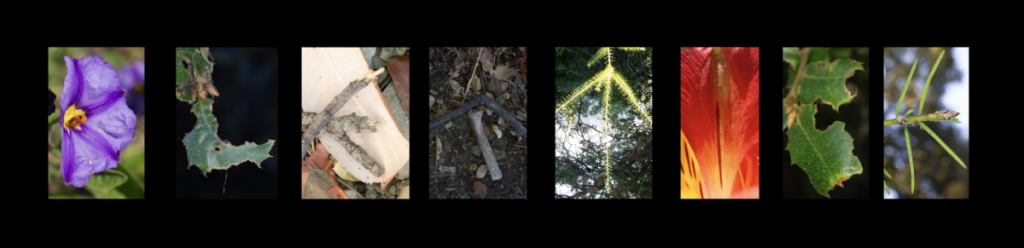
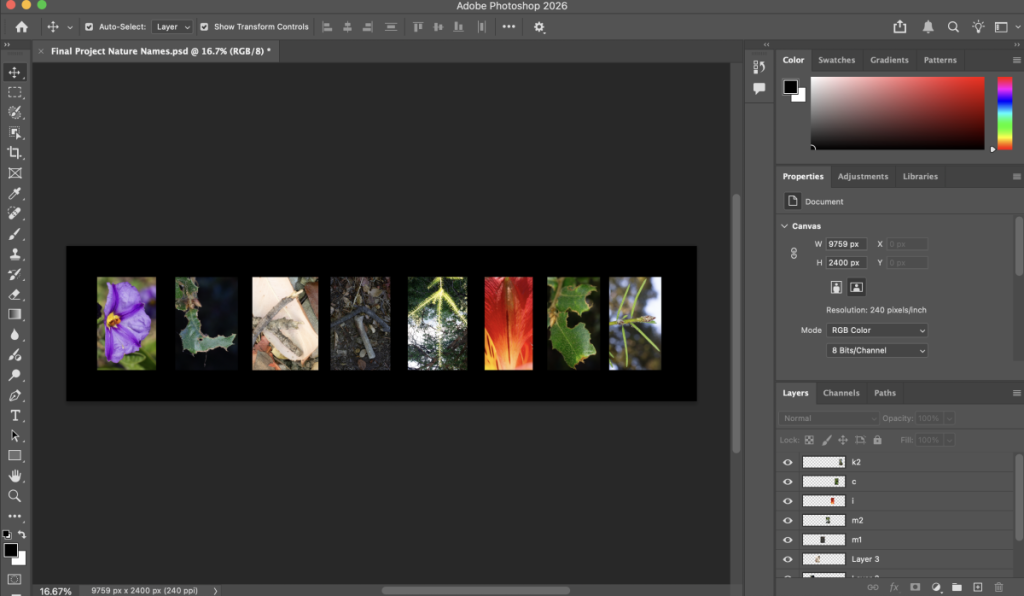
For the Name Photography project, we were challenged to discover natural or everyday objects that visually resembled the letters of our name without physically arranging them or using actual letter forms. After identifying these shapes, we photographed each object and selected the strongest images to edit and assemble in Photoshop. The final result was a clean, sequence of photographs that subtly spelled out our name through composition and visual suggestion
Behind the Scenes
Conceptual Photo Project
Conceptual Photo Introduction
For the Conceptual Project in Design class, we were tasked with creating a metaphorical (abstract) photograph based on a prompt provided by our teacher. The general statement centered on expressing an emotion or feeling through an experience. To achieve this, we selected two objects that indirectly represented our interpretation of the prompt, which required us to think creatively and avoid literal representations. The process involved extensive brainstorming and experimentation, including arranging the objects in various positions, placing them in different environments, and photographing them from multiple angles. After reviewing all of the images, we narrowed our selections down to the strongest photograph that best communicated the intended message.
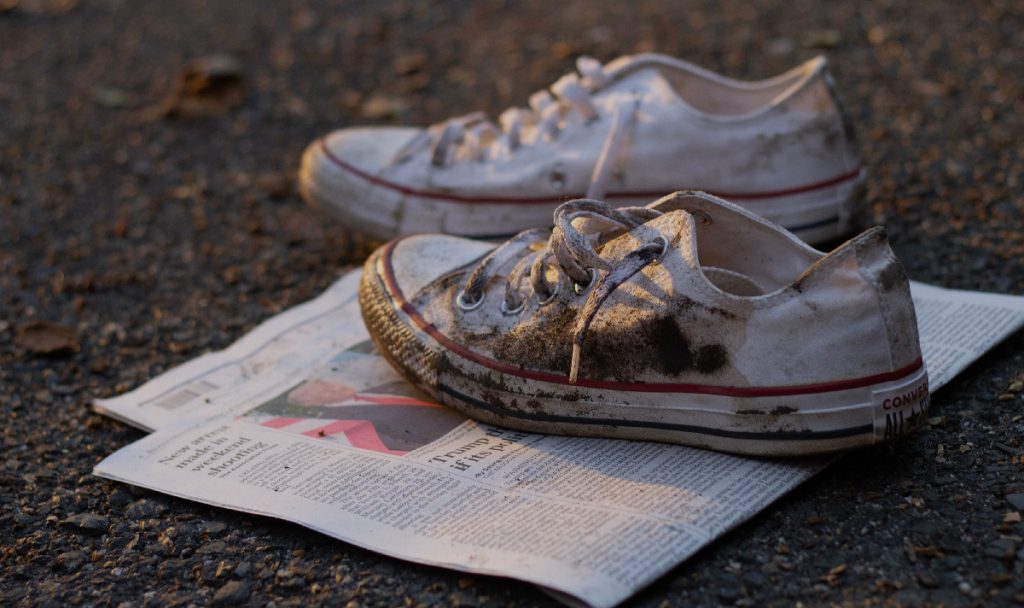
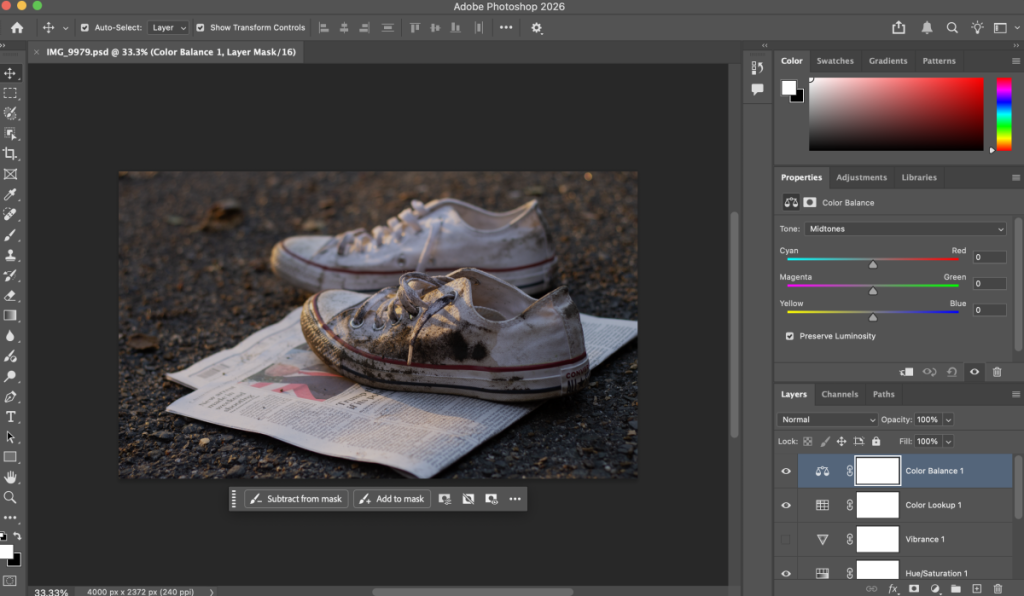
The political newspaper, with the camera being focused on specific words such as “Trump” and “Shootin,g” represents the feeling of disgust someone would feel while reading a political newspaper in the current day. The dirty used shoes placed on top of the political newspaper in a walking stance represent perseverance in negative situations due to the dirt and stains showing that the shoes have been used, specifically by someone who cant afford newer, less beat up shoes. Lastly, the light warm light portrayed on the items in the image shows a new beginning and potential shown through perseverance of said negative situation.
When I was taking the photo, I learned that small details really make all the difference. At first, when I was just taking pictures of the shoes on top of the newspaper, it didn’t represent and exemplify the topic I wanted to show. Then, by trying different angles and focusing the camera on specific parts of the newspaper, I found that I could convey feelings of disgust by highlighting the violent and disgusting parts of the newspaper, such as the word “shooting”. In Photoshop, I removed small details that I felt like distraced the viewer, like a little piece of pink trash on the ground, or a red stain on the shoe.
Behind the Scenes