Introduction
Story
Extra Bitter Coffee
A sense of relief washed over Arlo as he remembered it was finally Saturday, and he could sleep in until maybe 6:30 this morning. His five am wake ups to take his dog for a walk were a usual ritual, so sleeping in, for him, meant he was still up early. He threw on his forest green Patagonia (which in its pockets held practically everything he would need to use all day) and grabbed a beanie to cover his light brown curly bed-head hair. He clumsily walked downstairs from his classic teenage-boy bedroom and, forgetting to duck as he normally would, usually he remembers, but today he forgot to duck, and he hit his head on the doorway on his way into the bathroom. His 6’7” figure was quite used to events like this, though. His long and slim, yet defined limbs showed his history in playing volleyball, in which he was extremely successful, given the early age he started playing and his height. His giraffe-like appearance had always been a head-turner from people on the streets.
After brushing his teeth and splashing his face with cold water, he threw on his thick-framed glasses to complete his stereotypical “Portland Oregon hipster” look. These glasses, which he kept in his bedside drawer along with notes his little sibling had written him throughout the years, helped his forest green eyes see close objects clearer. Maybe he was tired or he needed a new prescription, but today they didn’t seem to be helping him much.
He gave his dog, Fin, a quick pat as he carefully walked across squeaky hardwood floors before pulling on his boots and heading out the door. The first floor of his house was lit with the golden glow of some self-timer lights, as it was mid-November and the sun wouldn’t come up for another half hour or so. It was a good, happy house. A refurbished basement for his parents’ room, the first floor for the living room, kitchen, study, dining room, and bathroom, an upstairs for his room, his little brother’s room, his little sister’s room, and a little storage area that was stuffed with old piano keyboards, toys, and posters written with uneven crayon saying, “ARLO aje fiyve”.
The minute Arlo stepped outside, his nose turned a bright pink color. With each exhale, a fog, almost like the steam from the soup he had had last night for dinner faced him. His eyes were a little glassy from the stinging cold air. Even the flowers’ dewdrops were frozen in place and the grass had a misty lighter green color because of the frost. He started down the street, which was more like a compilation of consecutive potholes, on the path to his favorite coffee shop. His neighborhood was often really calm in the mornings, but today it just seemed still. Arlo couldn’t help but think that it seemed like the calm before the storm. He was making the first turn left after the long stretch down the hill, where he would always see the cat. It was almost like a ritual, every Saturday morning, around 6:50 he would see this calico cat perched outside a neighborhood house, sitting, almost as if waiting for himArlo. He would bend down and give her soft fur a pat with his huge hand. This uncomplicated occurrence brought him more joy than he could explain – it was simple, but always consistent. It was like a mutual understanding that he and the cat had;
I will wait, and I will be here for you when you come around.
Today, the cat wasn’t there.
He shoved his guitar-calloused hands into his jacket pockets, where his fingers felt the outline of a familiar object. It was the tiny glass bird his girlfriend, Robin, gave him. He had been carrying it around everywhere he went ever since they started dating two years ago. Robin told him it had a piece of her heart in it, so he could never leave it, and he didn’t want to anyways. His thick eyebrows furrowed and he carefully brought the bird out of his pocket and up to his eyes. Its left wing had broken at the tip. This must have happened recently because it had been undestructable and unbroken for so long.
He knew he shouldn’t feel a little saddened by this, but he did. He hesitated to put it back in his pocket as it might break more. Maybe he was too rough with it by accident.
He continued through a couple blocks of tightly-packed houses, many displaying different political signs, rainbow flags, or aggressive “SPOILED CATS LIVE HERE” signs. Eventually, he had reached the cozy nook of a coffee shop. His favorite barista was always working on Saturdays. Each week he came in she would either have a new tattoo or a new vibrant hair color. Arlo had come to the conclusion that she must drink at least two cups of coffee before they open shop because she always would have an abundance of energy while taking orders from the groggy, caffeine-starved people coming in. The cold metal of the door handle shocked Arlo’s lukewarm palm as he opened the squeaky vintage-white door.
The first room of the shop was more like a closet, dark red and purple colored carpets under a couple mahogany tables and chairs, with the menu written in chalk above the cash register and counter. Arlo approached as his familiar barista came to the register.
It took Arlo a minute to apprehend her new look. Her pixie cut was a medium grey color,… but not in her usual funky way. It was more dull and normal than what she usually had. Today she merely greeted him with and smile and a, “Hey Arlo. How’s your morning?” Usually, she would glide in from the second room and practically yell, “WHAT A SHOCK. Arlo arrives, time: 7:00, order: 16 oz almond milk latte.” Or she would do some kind of funny skit with a huge, indubitably genuine smile.
My morning has been different. My glasses aren’t working. The world is still. The cat wasn’t there. Its wing is clipped. You aren’t colorful.
Arlo acknowledged his true inner thoughts but thought it best not to share them, and just said with a polite smile that his morning was going fine.
After his shockingly uneventful and even dull ordering experience, Arlo walked to the right, which was where the waiting area and cafe part of the shop was. Arlo let himself stare off into the grey clouds while listening to everyone in the shop’s voices collectively create a steady buzz, with an overlay of clinking porcelain and coffee-brewing and names being called here and there as he stood by the counter. The place wasn’t crowded but there were enough people to keep the barista and her coworkers busy enough not to catch up about the week as they usually would.
His eyes started to scan the room of people. A thick-bearded man working on his computer, bobbing his head along to music he was listening to through earbuds, two older ladies discussing their granddaughters “intolerable” fashion choices, several singles, a dad with two little daughters sipping (what he assumed to be) hot chocolate and munching on croissants, a couple with matching dreadlocks, another couple, and –-
That hair.
Arlo was fixated on the back of a girl’s head. That straight, light auburn colored hair had a special place in his memory. It’s what he would stare at as they sat in the library studying together, she would twirl it around her pointer finger as she focused really hard; as she ran in front of him to catch a spot in line at Oak’s Park for her favorite roller coaster, it would swish violently behind her; at the beach, throwing rocks into the ocean, it would catch the sunlight and look like pure gold; as he would lovingly observe her lying asleep on his couch, it would cover her whole face and lay across her neck; it’s what he spent each homecoming since Sophomore year holding as she lay her head on his shoulder while he kissed the top of her head and smelled the light honey scent, both of them slowly swaying to below-average music.
But why is she here alone? She lives in the area but usually if she was coming to my favorite coffee shop she would let me know… No wait –- it’s fine. She probably still thinks I’m at home taking care of my little siblings while my parents are on a trip together. I had forgotten to tell her they came back early last night.
Wait, that can’t be right.
Arlo, dude. You just need your coffee.
Adjacent to her on the same table, there was another coffee mug.
Why do I feel like that mug is going to give me hell?
She was looking outside, probably looking at the clouds just like Arlo was earlier.
So she isn’t alone. Okay, maybe her sister is in town for a bit from college and they decided to go out.
But why was there a large flannel draped over the empty chair?
It was like his ears were wired to only hear what was occurring next.
A squeak, and the sound of a door shutting. Some well-used boots clunked from the bathroom to Robin’s table and took place in the chair next to her.
He watched in disbelief. Robin’s hand grabbed this stranger’s.
And they smiled at each other.
Suddenly, the outlines of their bodies were blurry –- in fact, everything was, and Arlo’s glasses were fogging up.
He quickly turned and faced the workers making the coffee and reached across the counter for a napkin and lowered his head as he quickly wiped tears away.
It had started to rain.
He grabbed his to-go coffee cup., They must have called his name ages ago.
He left the same way he came in.
Arlo thought to himself.
My morning was different. I can’t see what’s right in front of me. A storm began. The cat is gone for good. The bird will never fly again. Everything is washed in grey.
His coffee was too bitter to enjoy.
ARVE error: Mode: lazyload not available (ARVE Pro not active?), switching to normal mode
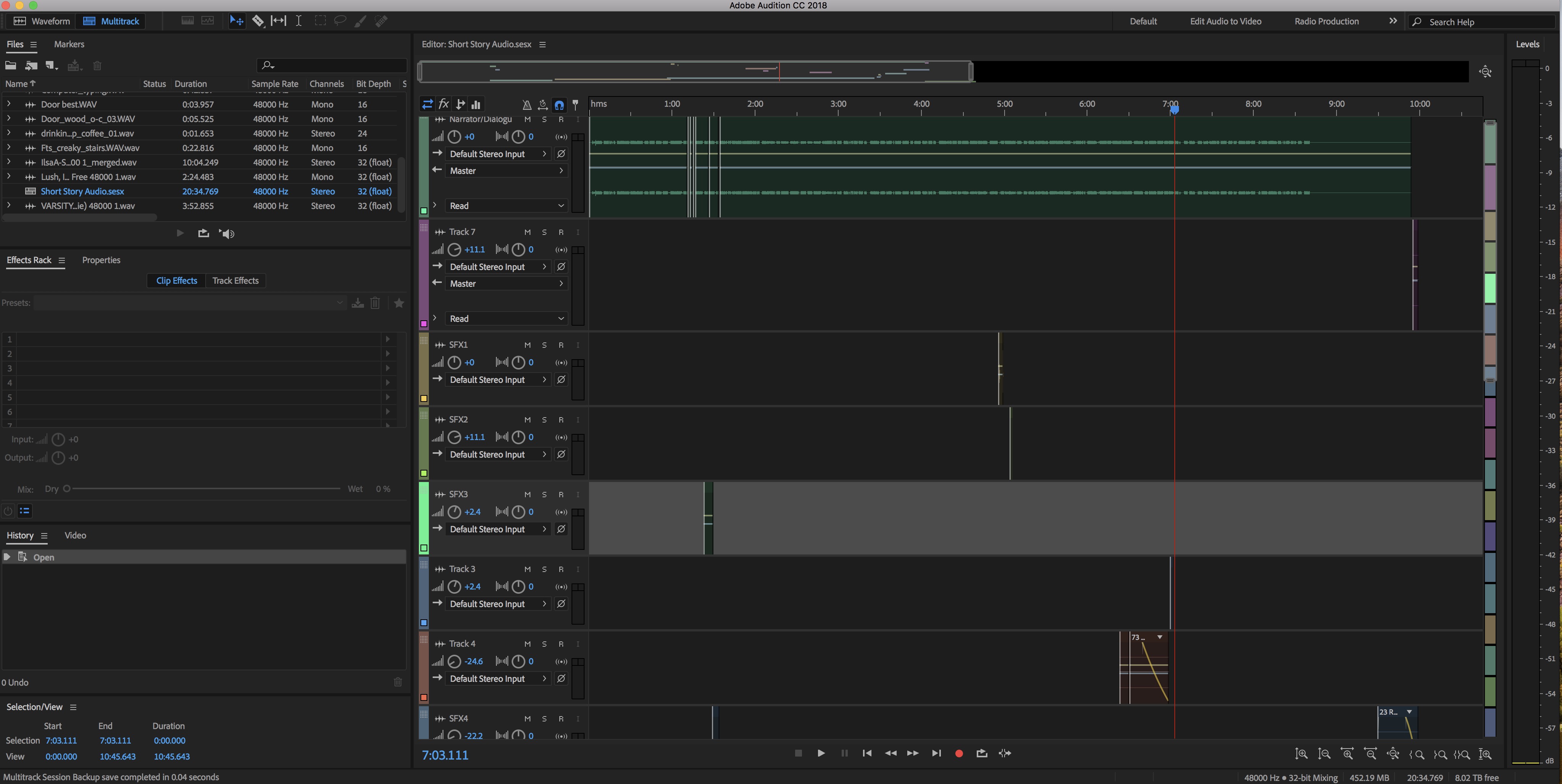
Below is a screenshot of what my Adobe Auditions interface looks like with my recorded voice, and all of the music and sound effects I imported. I had to adjust how loud certain clips were, put them in just the right place, and keep an overall integrated tone, where each sound effect had a purpose and fit well with not only with the sound of the story but also with the content of the story. Producing the audio version of my story made it almost seem as if it became a whole new story- in a good way. I got to manipulate my tone of voice to bring out different emotions in different sentences, which in the end benefitted my story because it appealed more to the pathos side of the production. Being able to control my tone of voice, add in sound effects, and music made my story a vivid picture in the listener’s mind. I got to interpret my writing further and was able to get creative with the sounds I added into my story with a purpose.
Overall, this assignment taught me how interpretive the world as a whole is, the same sentence can be written and then spoken, and sound completely different and be interpreted in completely different ways. This reminded me how valuable creativity is because it can influence people to do or think a certain way. In a similar way, audio stories have the potential to be a whole different experience than a written story, which is really cool.
Illustrations
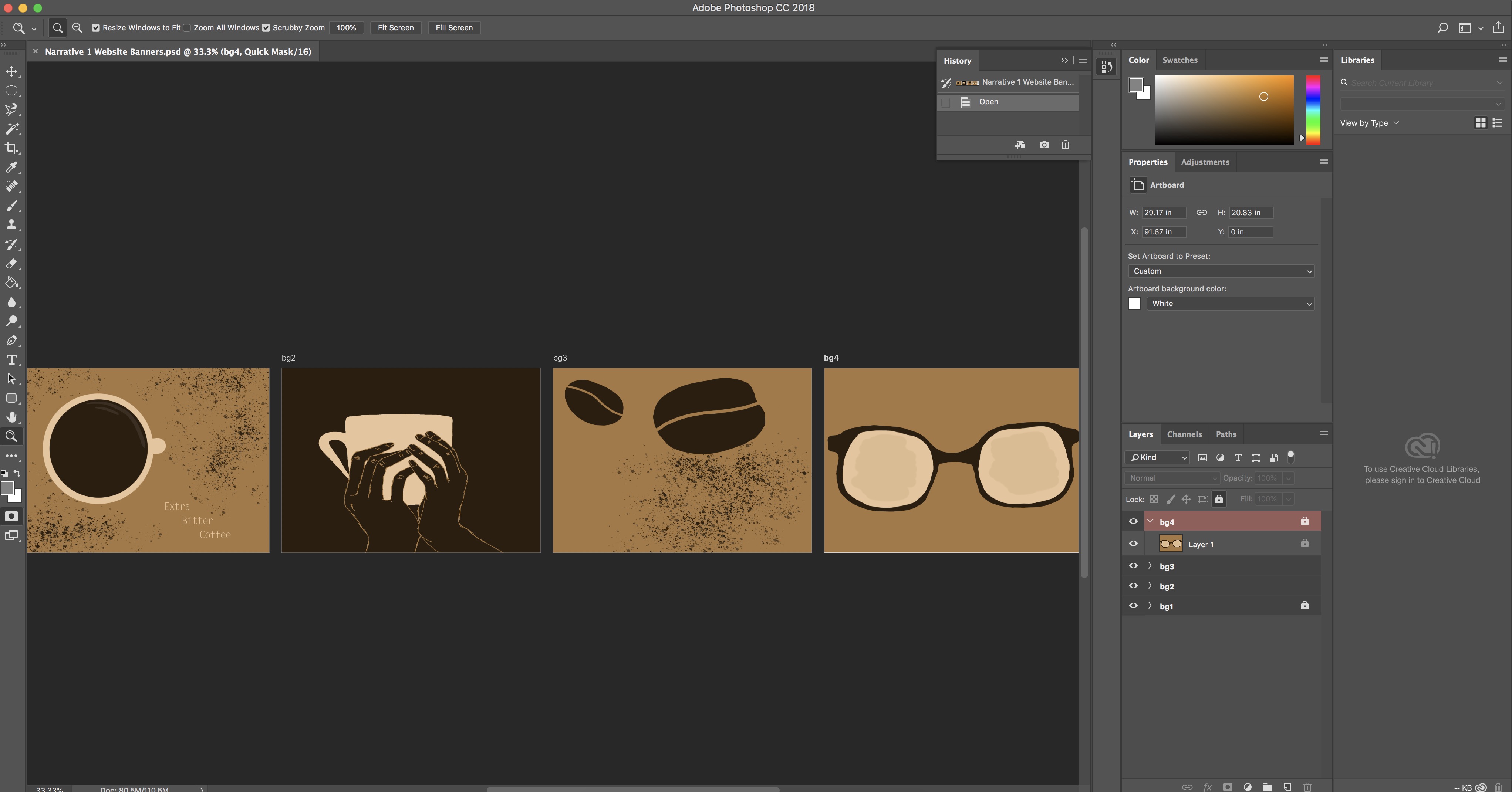
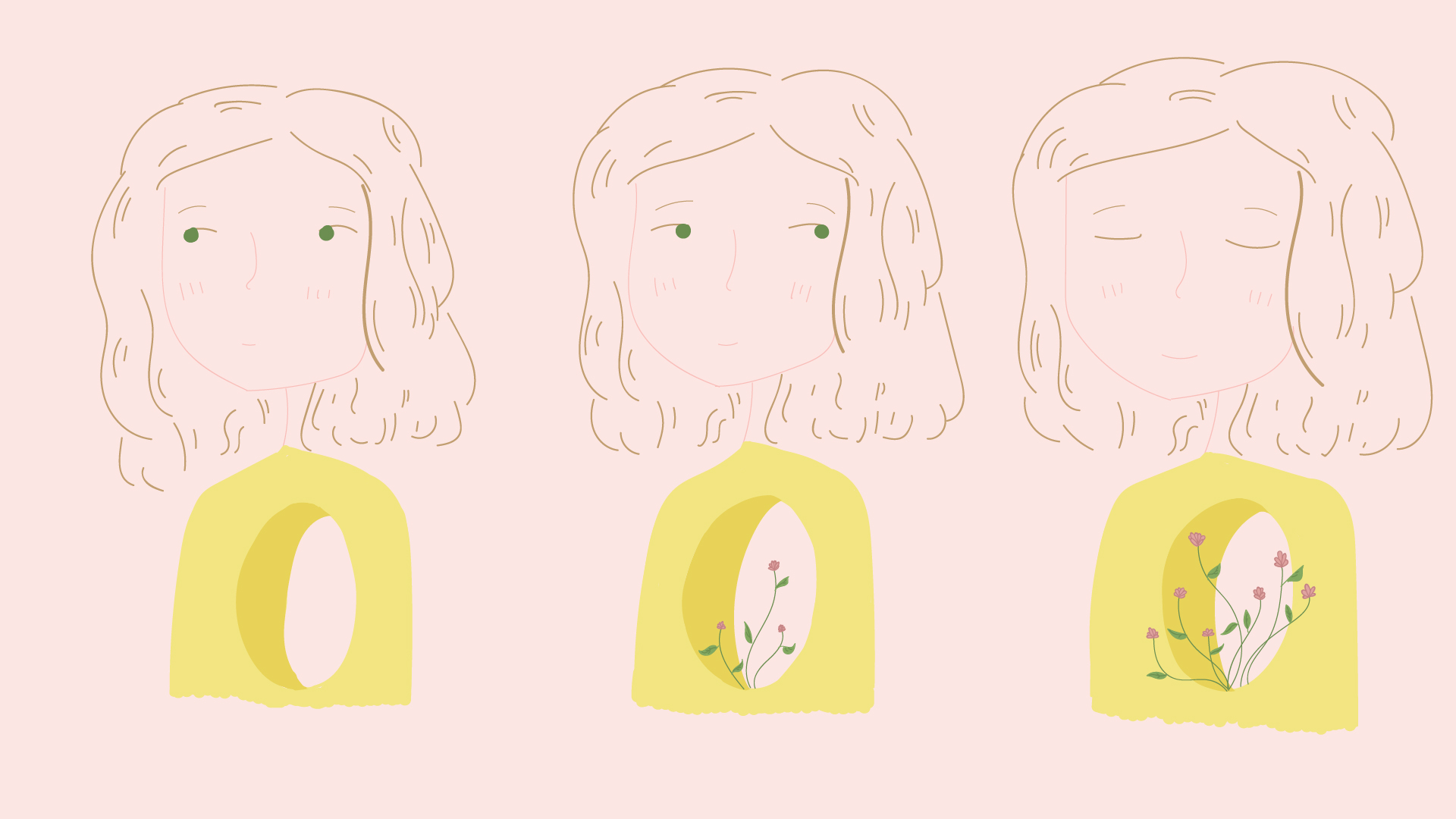
One day, in Digital Media, a class that is usually quite structured, we were told by our teacher to go onto Adobe Illustrator and create anything we wanted. Anything at all. Mr. Florendo wanted us to keep up and work on our skills in the application, and we were all excited (and slightly intimidated) to have complete creative freedom. After several class periods of drawing and redrawing, and redrawing again, I finally created the art below. It is called “Growth”. We often don’t understand why, but bad things happen and we can be left feeling empty and sad when they do. Little do we know, something beautiful can grow from these experiences, and that something will not just appear, but it will grow with its teeming population and abundance of peace and beauty.
Animation Production
ARVE error: Mode: lazyload not available (ARVE Pro not active?), switching to normal mode
ARVE error: Mode: lazyload not available (ARVE Pro not active?), switching to normal mode
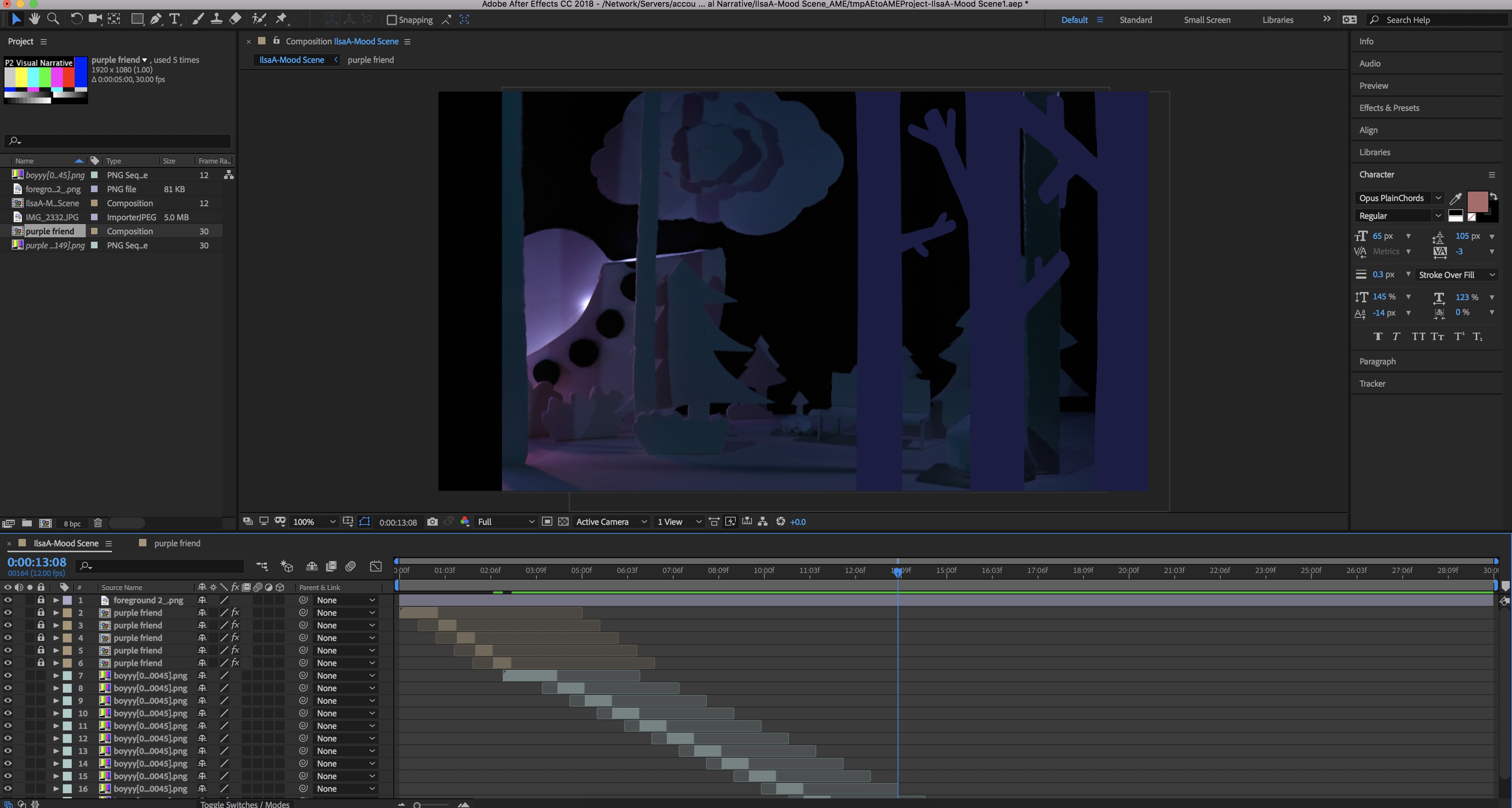
A story about a boy who walks to his favorite coffee shop, expecting to get his morning cup of coffee, and ends up getting his heart broken.
ARVE error: Mode: lazyload not available (ARVE Pro not active?), switching to normal mode
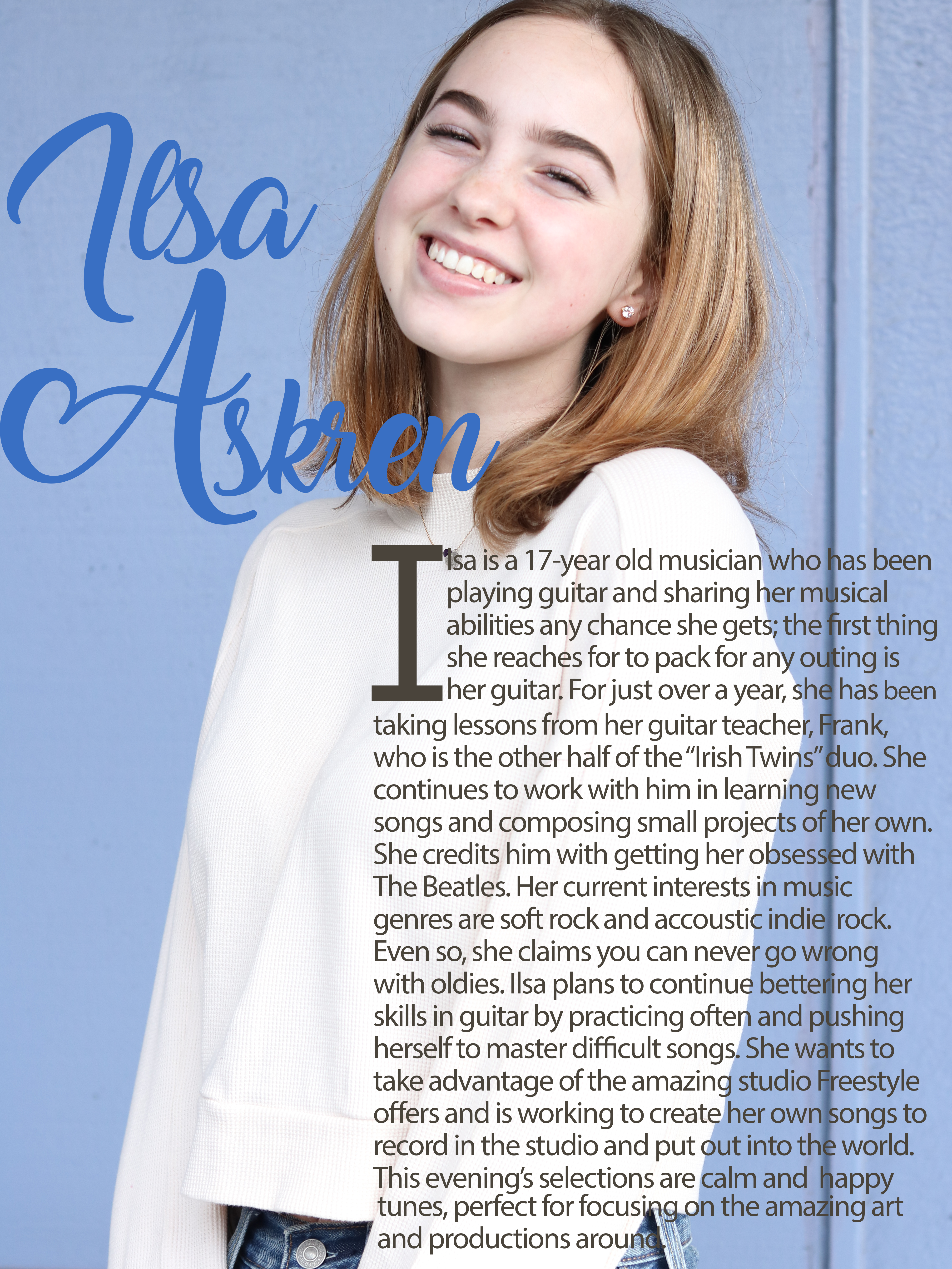
At Freestyle’s Mid-Year Exhibition, I got the privilege to perform guitar for an hour while people came to see our work and productions. I created this poster to be put next to me while I played. It was such a joy to be able to share all my art forms at the Exhibition, including my guitar.