FUNNY COMPOSITIONS:
We kicked of the narrative unit in Digital Media by creating funny images in Adobe Photoshop. Below are my two pieces: “Thyme Time” and “Air Mattress.” I went for punny humor, with the clocks being placed on thyme plans, and the air mattress having wings that allowed it to literally be in the air.
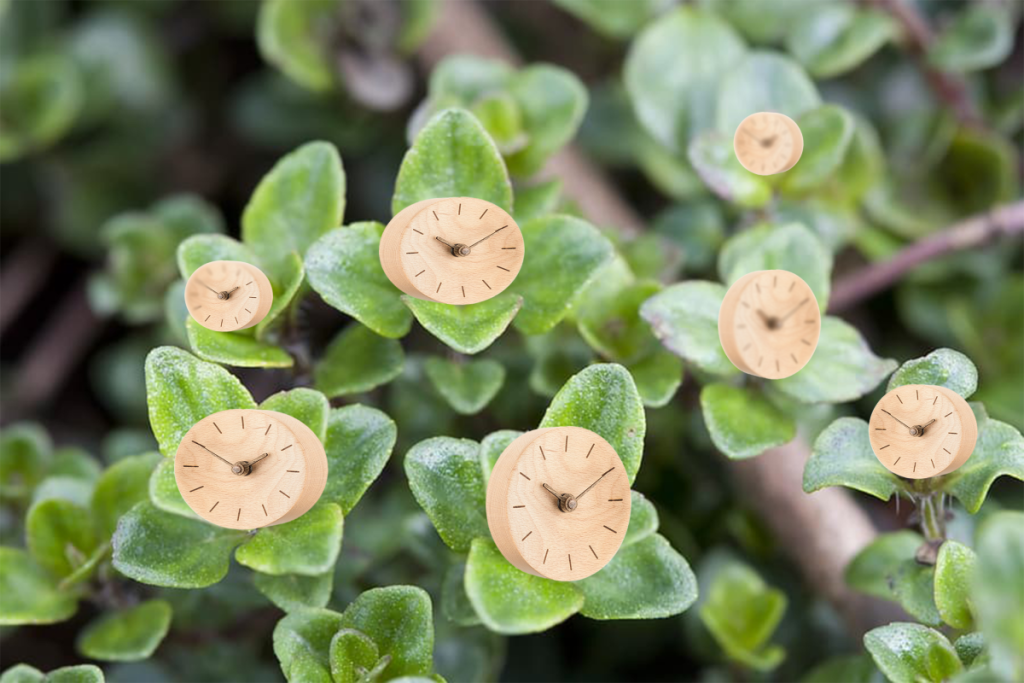
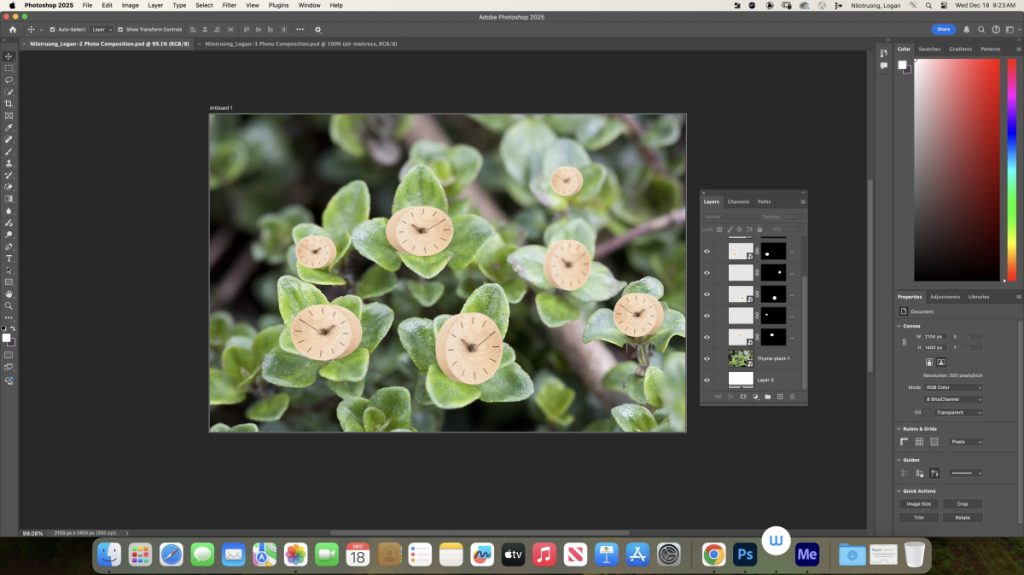
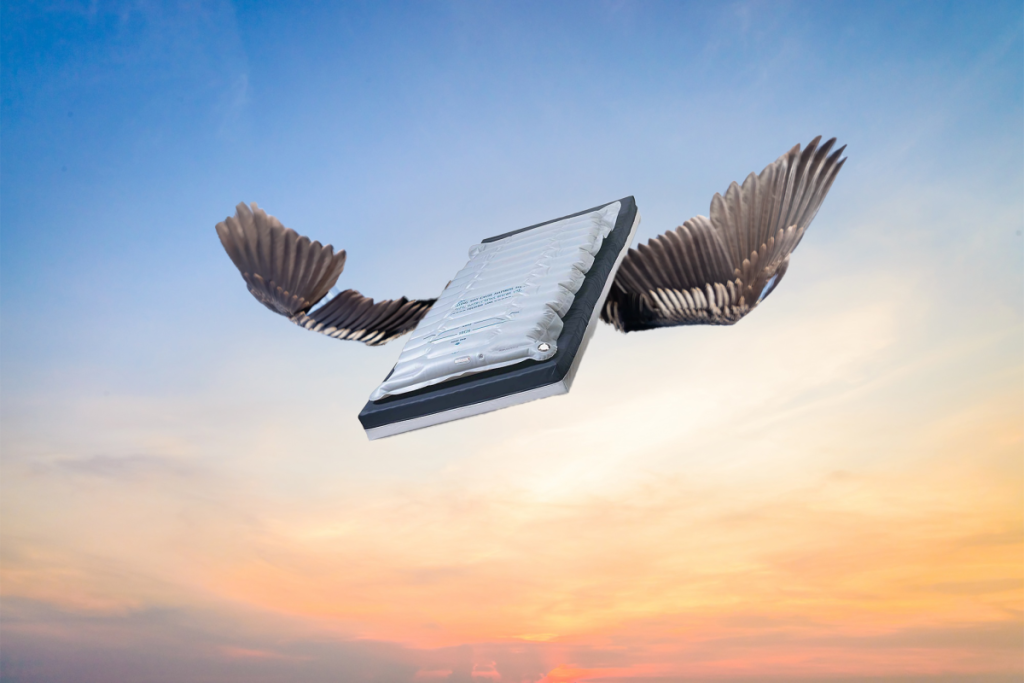
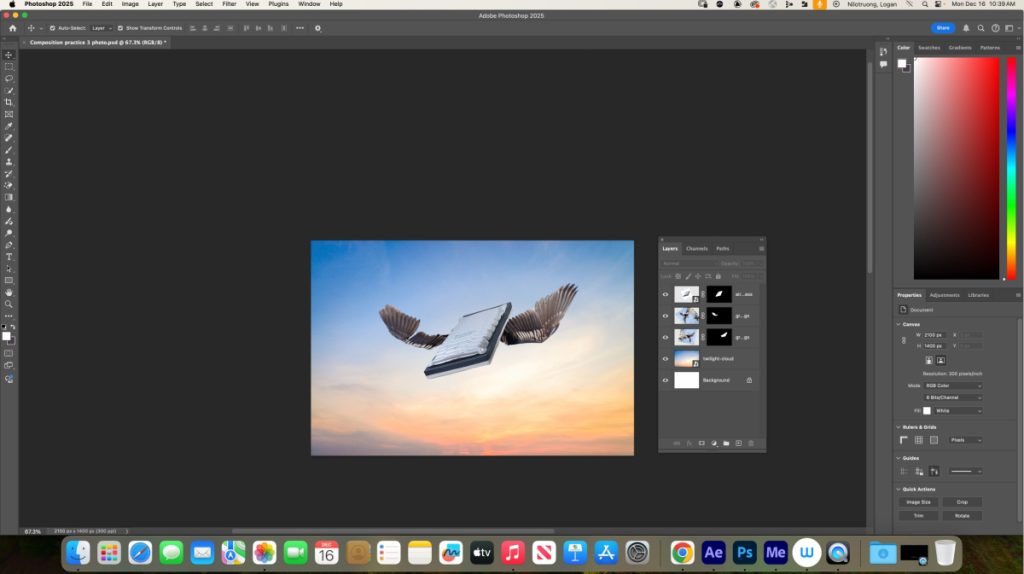
By working on these two pieces, I definitely got better at visual comedy. I also greatly improved my technical skills in Adobe Photoshop. I gained a better understanding of layers, learned how to use masks, and got good practice with the pen tool. All of these skills have made me well versed in composite art.
MOTION GRAPHICS:
The Motion Graphics assignment was the culmination of a few weeks of practice in Adobe After Effects. I made mine with visuals inspired from an anime I like named Fate/Stay Night: Unlimited Blade Works. The blue glowing lines are mana circuits and the pink flower is the shield Rho Aias.
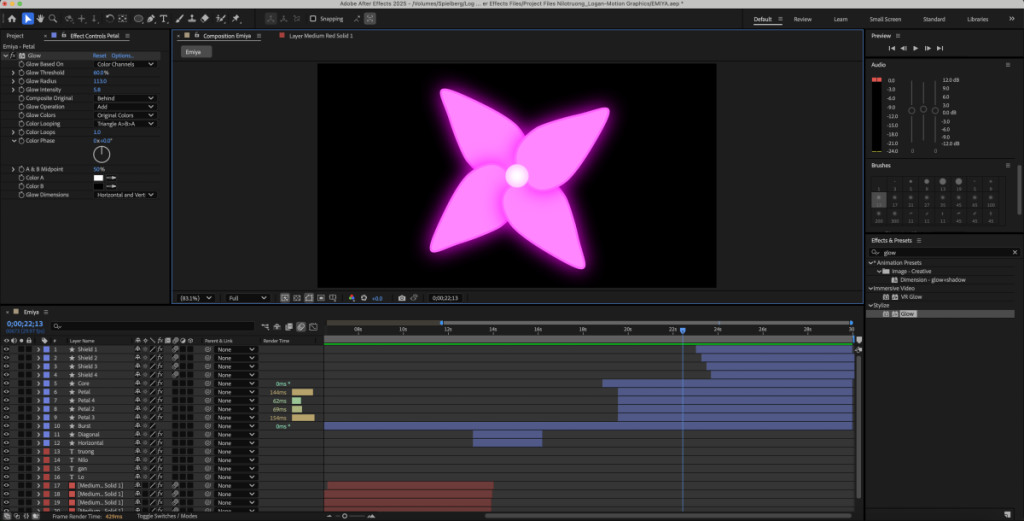
I really loved working on these motion graphics. It’s inspired me to continue learning about Adobe After Effects and the numerous effects I can use and implement in my next project.
MULTI-LAYERED ART PROJECT:
This assignment build onto our worldbuilding project and helped develop our design and drawing skills. It involved creating a drawing in Adobe Illustrator and converting it into a 3D object. There were three options: stacked wood, wood rings, and lightbox. I chose the latter because I thought the examples looked really cool and I had already begun to visualize some ideas in my head.
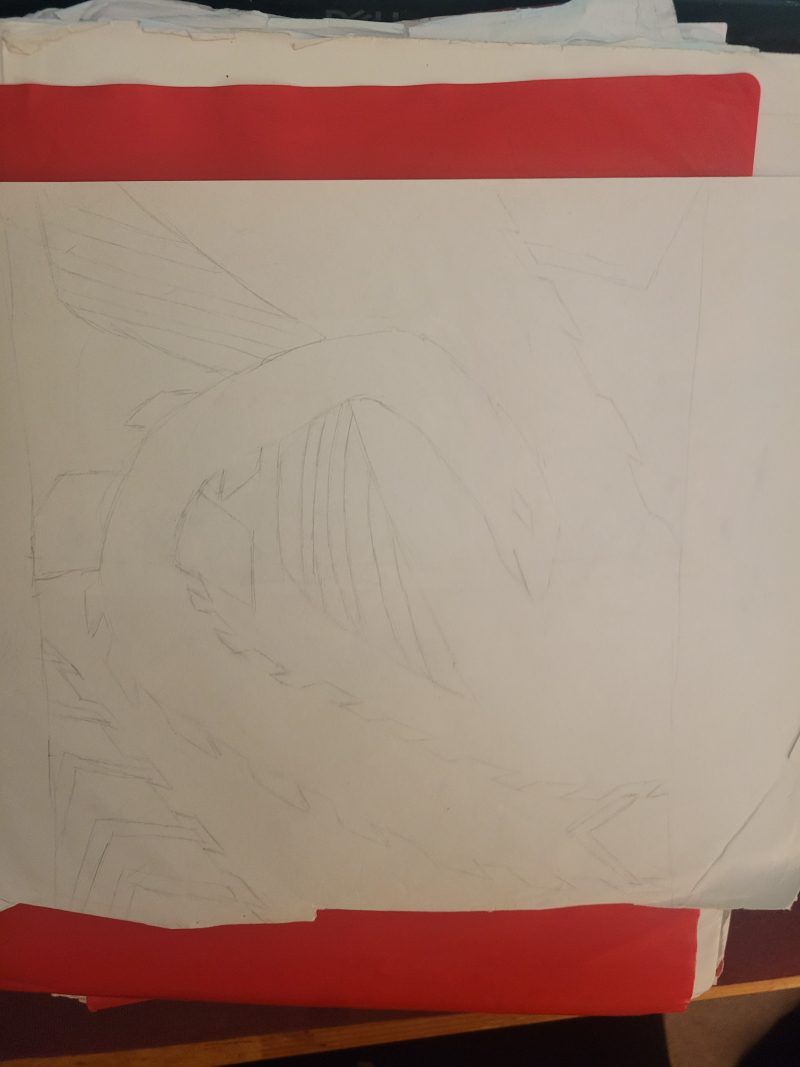

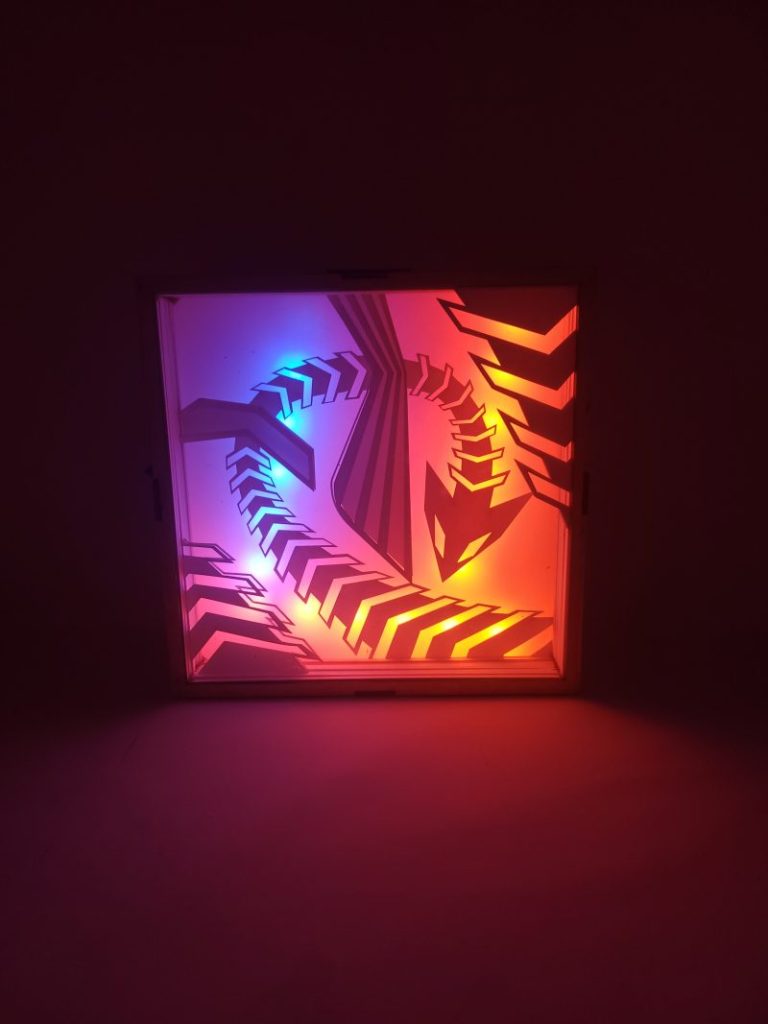

My multi-layered art project depicts a creature from my Worldbuilding Project. It’s a mechanical serpent created on the planet Vanneth, called a Magna Cauda. The local inhabitants of the water planet pilot Magna Caudae to hunt colossal sea creatures, serving as a man-man apex predator. I really wanted to emphasize the creature’s size and make the design appear to have depth. The scene takes place in an open body of water, so I aimed to make the environment feel expansive. In Adobe Illustrator–while the design was still 2D–I achieved this effect through foreshortening and layer planning. Sections of the Magna Cauda’s tail were magnified near the front, while the rest of its body gradually got smaller and thinner in the layers closer to the back. In the 3D physical production, the actual space between layers accentuated this effect. The layer planning was really useful for this step; in Illustrator I had made a copy of each layer, essentially doubling the design’s length and adding even more depth to the physical production. In the 3D digital production, I focused more on the length of the creature, using the digital camera movement to travel along the Magna Cauda’s body. Learning how to use the 3D space was really interesting. Mechanics like lighting added a lot to the design–I felt like the shadows made the creature seem more intense and imposing. I also found the virtual cameras really fun to play around and experiment with. They’re a lot less restrictive than real-life cameras, since they can be positioned virtually anywhere, and their lens can easily be changed on a whim. Working on this project has really improved my skills in both Adobe Illustrator and After Effects. Knowing how to use these two applications is really useful since they’re both extremely versatile when it comes to producing content. Moving forward, in addition to refining the skills I’ve learned over this year, I’ll definitely practice a lot more with newer features such as the 3D space. I’ve already begun brainstorming future projects where I can make use of it.