
Music Production – Recording and Experimental Music
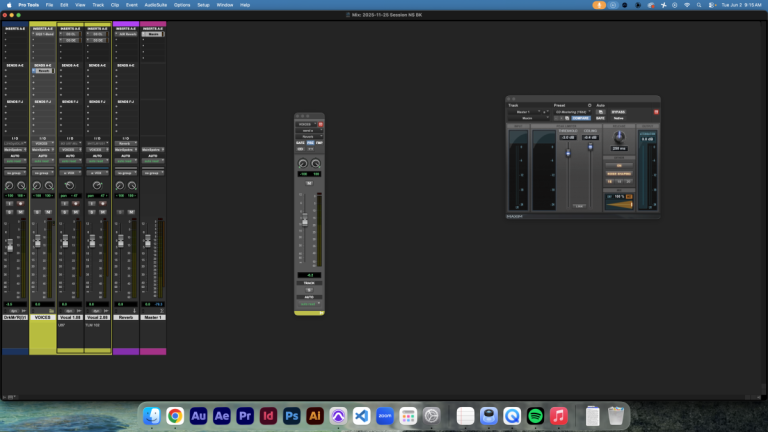

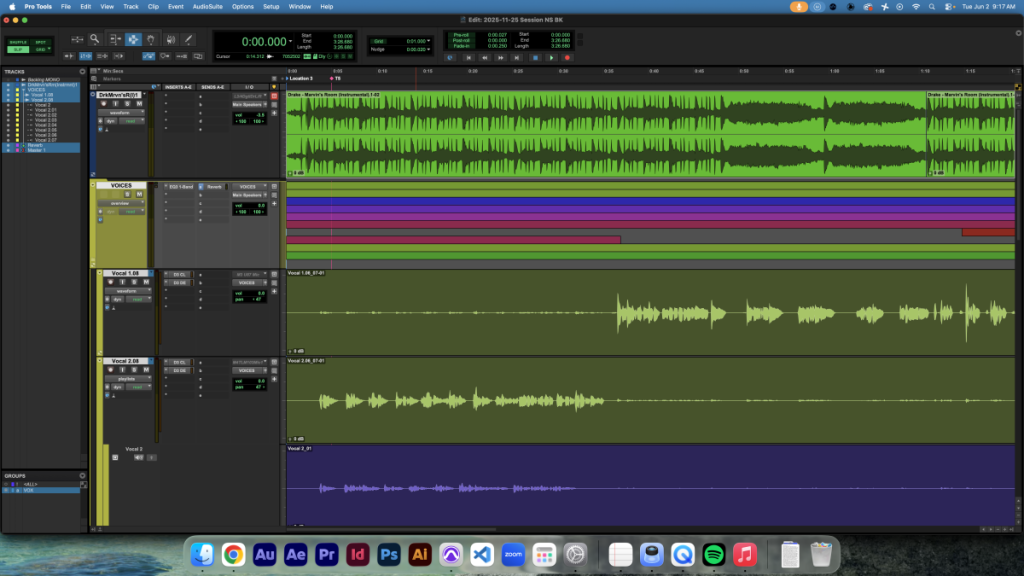
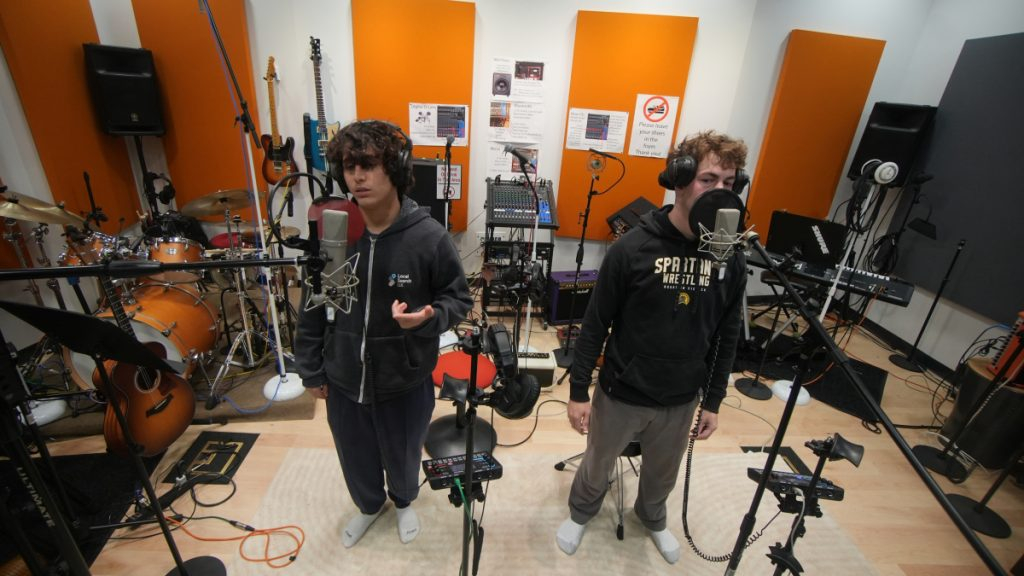
During the Music Recording and Creating phase of the Narrative Project, I tackled two distinct initiatives, beginning with the Music Recording Project. This hands-on experience immersed me in a professional studio environment, where I engineered and produced a song while mastering the nuances of the industry-standard music production process.
A major creative hurdle was adapting the original lyrics to meet school guidelines without sacrificing the track’s core message, rhythm, or natural flow. Finding that perfect balance required rigorous revisions, clever wordplay, and a deep focus on vocal cadence. Navigating this challenge expanded my technical skill set, giving me practical insight into advanced recording techniques, precise audio editing, and the extensive preparation necessary to polish a final mix.
Ultimately, this project bridged the gap between raw creativity and technical execution, providing me with comprehensive experience in everything from lyric adaptation and vocal performance to studio recording and post-production.
▶ Sheba’s Room
⏸ Sheba’s Room

Sheba’s Room (Junior Music Recording Project)
– by Noam Sheba & Ben K
Sheba’s Room, our cover song, is a personal homage to Drake’s “Marvin’s Room”. The original has long been a staple on our playlist, as we’ve been listening to Drake’s music since we were children. As young Jewish students who grew up in different states, we recognized an authenticity in Drake’s voice that hit close to home. The long drives, the overcrowded Shabbat dinners, and the dynamic energy from where we grew up. These are the same images Drake is singing about in his music, and through his openness, we learned as children that art doesn’t need to be picture-perfect to be valid and heartfelt. It can be as simple as what is going on in your day-to-day life.
While we know our cover is not the best sung out there, the off-tune element of the song is what makes it special to us. This cover represents the time we had working on the song, the inside jokes we made, the unfiltered moments we preserved in the song, and our friendship throughout the whole process. One technical difficulty we faced was shortening the length of the premade beat to fit the framework we wanted for our song. We were not sure how to change the tempo of the track without compromising Drake’s original beat but with our producer, Mr. Flo’s, help, this problem was easily solved, and the overall recording process became much more efficient. For us, this cover is more important than any award-winning vocal performance.
Overall, this project has taught us the recording process, the how and whys of working with premade beats and timing, as well as the importance of collaboration, patience, and flexibility in the studio alongside musical talent, and most importantly, what it actually takes to create good music!!
Experimental Music Project
▶ Nights in the City
⏸ Nights in the City

“Nights In the City” just means a lot to me. I really wanted to nail the atmosphere when I was making this, focusing on that feeling of being out late when the city starts to settle and quiet down. The song mixes things up with cool, old-school jazz notes that give it a calm but lively feel, along with a laid-back, steady beat that keeps you grooving. I also added dreamy, hazy sounds to fill out the track and give it a floaty feeling, so everything works together to tell a small story about calm late nights.
This song started brewing when I was out in the city really late, when things are still happening but the vibe shifts. I drew inspiration from the lights blinking, cars passing by, and people walking around feeling present but lost in their own worlds. I was trying to make music letting the funk beats keep me moving and the techno sounds give everything an electric edge. I wanted to capture the thill of being out late in the city lost in your own groove and thoughts, so I played a lot with rhythm and repetition to enhance that.
What I’m most proud of in this experimental music is how all the sounds came together without turning into a mess. I experimented a lot with layering, repeating parts, and different wacky sounds, but I made sure there was always a clear rhythm driving the track forward. Learning how to use MIDI virtual instruments really helped with this, since I could control timing, volume, sound, and layering without needing real instruments. MIDI let me experiment quickly, tweak ideas easily, and create complex sounds that wouldn’t have been possible for me before. Making this track with MIDI gave me the freedom to try new things, which really fit the experimental nature of the song.

Reflection:
Looking back at this whole music production process, jumping into Pro Tools was definitely tough at first, but incredibly rewarding. It is crazy how different it feels to actually sit behind the screen, navigate the editing timeline, and piece together vocal takes compared to just listening to a finished hip-hop track. The recording phase really showed me how much the little details matter in a performance. You have to capture the right energy, time the breath control perfectly, and make sure the vocal delivery hits with the same confidence you hear in professional rap verses. Getting hands-on with live audio taught me that a great song isn’t just made in the recording booth; it really comes to life during post-production.
Transitioning into MIDI music production opened up a completely different creative avenue. Instead of relying solely on recorded audio, manipulating MIDI data allowed me to build the instrumental foundation of a beat from scratch. Programming intricate drum sequences, dialing in heavy 808s, and layering synthesizer melodies gave me the hands-on control needed to emulate the atmospheric production styles of artists like Drake or the energetic, hard-hitting beats of Nicki Minaj. It shifted my perspective from acting merely as an audio editor to working as a full composer. Ultimately, combining both processes and layering chopped vocals atop quantized MIDI instruments really drove home my understanding of how songs are actually made.